Colombia Shifts Gears: Farming and Industry Now Power Its Exports
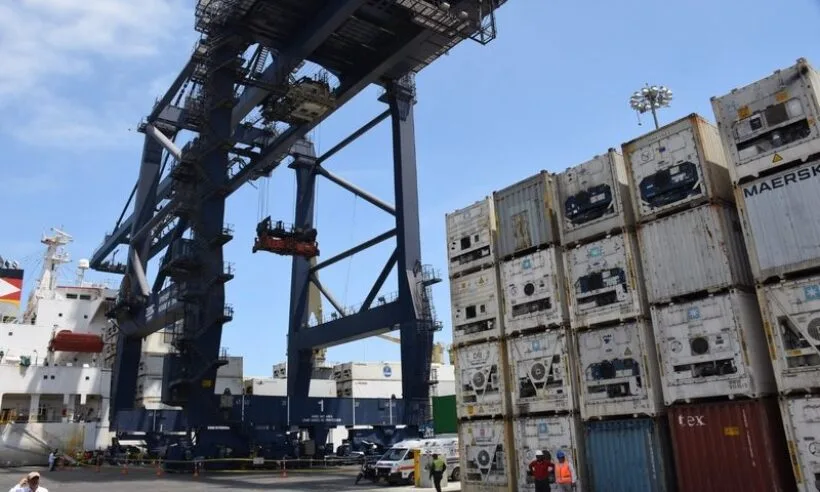
Colombia is changing how it earns money from the world. From January to May 2025, the country exported $10.75 billion in goods that weren’t from mining or energy, like oil and coal.
That amount was over half (52.6%) of everything Colombia sold abroad. It’s a major shift in a country long known for its resource exports. This push into farming and industry is working.
Those exports rose 22% compared to the same period in 2024, according to the Ministry of Commerce. The biggest success came from one familiar product: coffee.
Coffee exports almost doubled, rising 89% in one year. Coffee made up nearly 22% of all non-mining shipments. Colombia shipped 12.3 million 60-kilo coffee bags in 2024.
Though 2025 might see a smaller harvest due to weather, top buyers like the U.S., EU, and Canada continue importing high volumes. But Colombia’s export growth isn’t just about beans.
Palm oil exports rose 63.7%, especially strong in early 2025 before more supplies stayed at home for biodiesel. Processed coffee, like extracts, rose almost 37%.
Avocado sales rose 25%. Plastics like polypropylene climbed nearly 22%, showing broader growth beyond agriculture. In total, Colombia exported 4.32 million tons of non-mining goods through May, a 9.6% bump in volume.
Colombia’s Export Growth Driven by Agriculture and Industry
Agriculture made up nearly 44% of that, rising 37%. Big areas of growth came from departments like Huila, Caldas, Magdalena, Antioquia, and Valle del Cauca—regions with strong links to farming and food processing.
Together, nine departments produced over 90% of these exports. On the industrial side, exports rose over 12% to $6 billion. More factories are producing food, plastics, and refined agricultural goods for foreign buyers.
These changes mean Colombia now sells a more balanced mix of goods to the world, helping its economy avoid overdependence on coal and oil markets.
This shift matters. Colombia reduces economic risk by relying less on fuel exports, which face unstable global prices and growing environmental restrictions.
It also spreads income across more sectors and regions—especially important in a country where farming remains key for rural jobs. The numbers show Colombia is not just trying something new—it is delivering results.
No flashy policies or promises; just more tons sold, more dollars earned, and more people and regions involved. The country is building a sturdier economic base—and helping more Colombians benefit from international trade.
More: Colombia news in English, every day from The Rio Times.
This article was produced by The Rio Times’ automated newsroom system. How we use AI · Report an error
Read More from The Rio Times