Chile Probes Senator Signature Forgery Claim
Chile’s prosecutors are investigating a disputed document bearing Senator Ximena Órdenes’s signature while the Senate debates the 2027 Budget.

CHILE · POLITICS
Chile’s prosecutors opened a criminal investigation on Wednesday 18 November 2026 into whether a senator’s signature was forged. The document in question withdrew the travel permission of Senator Ximena Órdenes, a centre-left senator who is on an Asia tour with President José Antonio Kast.
Órdenes says she never signed it, and nobody has been charged. For readers abroad, the row matters because on the same day the Senate voted to restore the government’s authority to borrow up to US$25 billion, in a session where absent senators’ permissions changed the votes needed.
Key Facts
- Who. Senator Ximena Órdenes denies signing it; the Senate says it received a document bearing her signature.
- What. Prosecutors opened a forgery investigation on their own initiative on Wednesday 18 November 2026.
- Stakes. The Senate voted 31 to 10 on 18 November to restore borrowing of up to US$25 billion.
- Power Index. Chile ranks 3rd of 14 in The Rio Times Latin America Power Index, with 62.9 points (November 2026 edition).
- As of. 19 November 2026, 06:40 GMT.
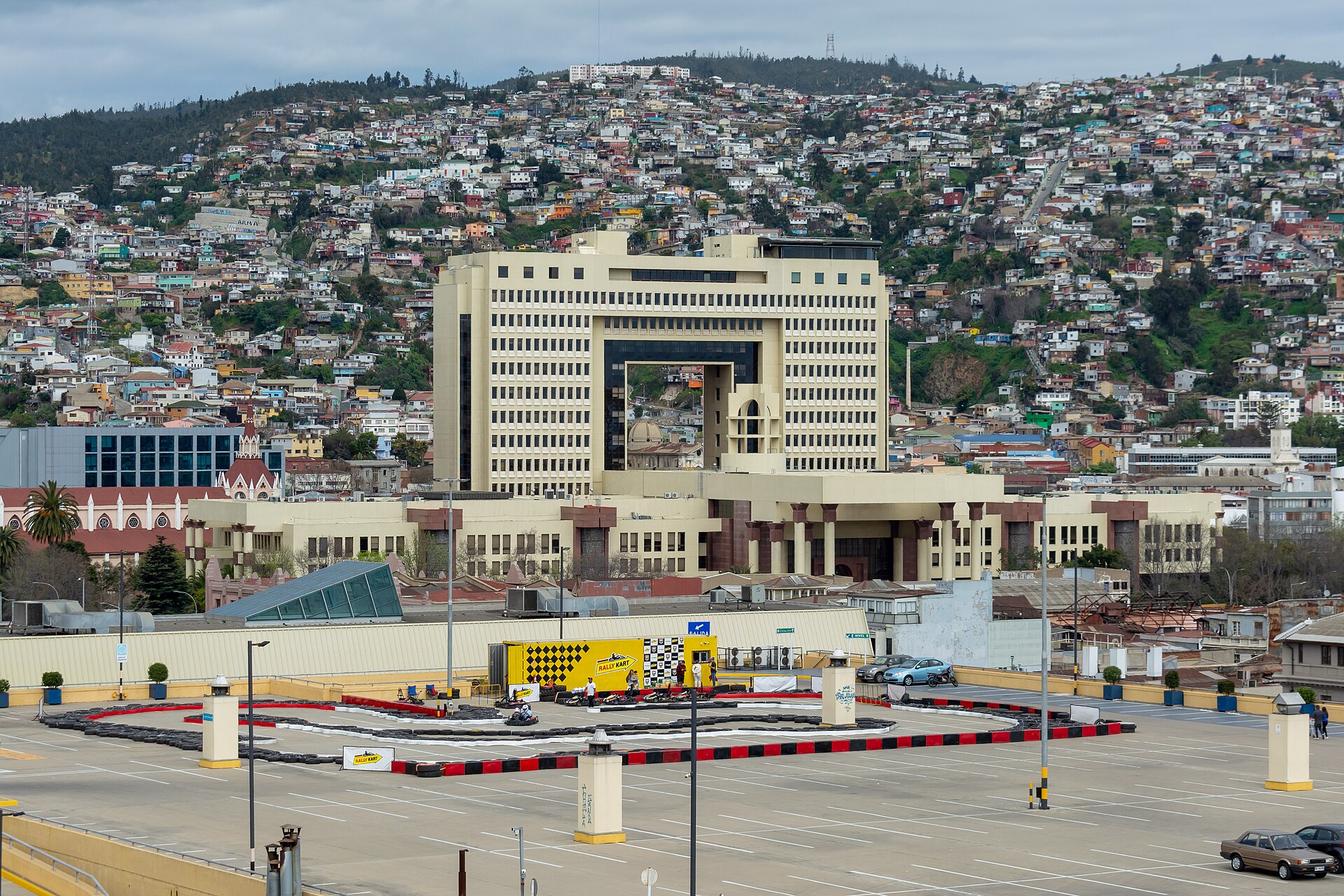
A disputed document, a senator abroad and a budget vote collided in Valparaíso, the port city where Congress sits, and prosecutors must now establish who produced the paper and whether a crime occurred.
The Big Picture
Under Chile’s Constitution, a senator who leaves the country for more than thirty days without the permission of the chamber ceases in office. That rule is why a “constitutional permission”, the Senate’s approval for a senator to be abroad that long, matters for senators who travel.
Órdenes and Senator Fidel Espinoza, both on the Asia tour with President Kast, held such permissions. Senator Juan Luis Castro, head of the committee of Socialismo Democrático, the Senate’s centre-left bloc, asked to withdraw both.
Castro said the situation had been settled the previous night “in accordance with the person concerned”. Some qualified-quorum budget provisions needed 26 votes at first, and 23 once absent senators’ permissions were formally recorded, according to reports of the session.
Separately, Article 63, point 7, requires a qualified-quorum law, meaning one passed by a higher vote threshold, for loans that mature after the presidential term ends. On 18 November the Senate restored the government’s US$25 billion borrowing authority by 31 votes to 10.
What Happened
Senate President Paulina Núñez confirmed that the Senate received a document bearing Órdenes’s signature, even though the senator says she did not authorise it. Núñez announced that both senators’ permissions apply again from Wednesday 18 November.
Órdenes then wrote to the Senate’s Secretary General, Luis Rojas, and Senator Pedro Araya, of her own party, read her letter in the chamber. “I have not withdrawn my request for constitutional permission, I have not signed or sent any document to that effect, and I have not authorised anyone to use my signature or act on my behalf for that purpose,” she wrote.
She asked that her permission stay in force. Senator Rodolfo Carter, an independent elected on the list of the right-wing Republican Party, asked the Senate secretary to certify what happened and send it to prosecutors.
“At the very least there is a forgery of signatures of a senator of the Republic, of a female senator of the Republic,” Carter said. Chile’s prosecution service, the Ministerio Público, then opened its investigation on its own initiative, with the case sitting in the Valparaíso Regional Prosecutor’s Office.
The service said it acted after learning facts stated publicly by Núñez, and that the facts “could have the characteristics of a crime”. It must establish how the document was produced and submitted, and whether the senator’s signature was used without authorisation.
Why It Matters
The mechanism is vote arithmetic: some qualified-quorum budget provisions needed 26 votes at first, and 23 once absent senators’ permissions were formally recorded, according to reports of the session. On Friday 13 November the Chamber of Deputies, the lower house, voted down the government’s authorisation to borrow up to US$25 billion.
Finance Minister Jorge Quiroz said after the Chamber vote that the government would seek to restore the rejected items in the Senate. On Wednesday 18 November the Senate approved the government’s motion restoring the borrowing article, by 31 votes to 10.
What Happens Next
The Senate’s debate on the 2027 Budget Law continues, and no date is confirmed for its final passage. No timeline for the prosecutors’ inquiry has been given.
Two accounts of how the signature might have been used, an electronic signature or a copied one, have circulated. No account is confirmed.
The Other Side
Senator Fidel Espinoza of the Socialist Party, one of the two senators concerned, said nobody forged his signature. “An administrative sloppiness is not a crime,” he said, and he opposed taking the matter to prosecutors.
“When we bring prosecutors into our internal political quarrels we are in the worst of worlds,” he added. Castro’s own position is that the matter was settled the previous night, in accordance with the person concerned.
What It Means for You
For anyone tracking Chile’s finances, the borrowing authority of up to US$25 billion cleared the Senate on 18 November after the Deputies rejected it on 13 November. Whether the signature row affected any vote is not known.
Treat the forgery claim as an allegation under investigation, since nobody is charged and no criminal liability is established. The Senate says it received a document bearing her signature, while Órdenes denies signing or sending it, and the inquiry must settle what happened.
What Is Not Known
Nobody has said who prepared and sent the document, or whether any crime occurred. How long the inquiry will take is also unknown.
In Plain English
Constitutional permission: the Senate’s approval for a senator to leave the country for more than thirty days.
Qualified quorum: a higher vote threshold than a simple majority.
Acting de oficio: prosecutors opening a case on their own initiative, without a complaint.
Frequently Asked Questions
Why are Chilean prosecutors investigating a senator’s signature?
They say facts stated publicly by Senate President Paulina Núñez could have the characteristics of a crime. They must establish how the document was produced and whether Senator Ximena Órdenes’s signature was used without authorisation.
What does Senator Ximena Órdenes say?
She says she has not withdrawn her constitutional permission, signed any such document or authorised anyone to use her signature. She asked that her permission stay in force.
Why does a travel permission affect the budget?
Reports of the session say some qualified-quorum budget provisions needed 26 votes at first and 23 once absent senators’ permissions were recorded. The Senate then restored the US$25 billion borrowing authority by 31 votes to 10.
Has anyone been charged?
No. Nobody has been charged and no criminal liability is established, and prosecutors have not said how long the inquiry will take.
Sources
Source: Senate session of 18 November 2026; statement of the prosecution service of 18 November; Chamber of Deputies vote of 13 November; Senate vote of 18 November; Constitution of Chile, Articles 60 and 63; Senate of Chile, legislative tracking · Chile’s prosecution service · Chile’s Constitution
Connected Coverage
Chile news · Chile Deputies Send 2027 Budget to Senate · Chile Justice Minister Faces Impeachment · Latin America Power Map
This article was produced by The Rio Times’ automated AI newsroom. Editorial responsibility: Matthias Camenzind, Publisher and Editor-in-Chief. The Rio Times also runs Ask Rio Times, which answers from 100,000+ of our own articles, the daily Latin America Power Map, and prediction-market odds on elections and markets.. How we use AI · Report an error