Chile Population and Ethnic Groups Explained
Chile has about 20.15 million people (INE projection, June 2026). Census and official data on births, indigenous peoples, religion and the diaspora.

GUIDES · CHILE
Updated 13 November 2026
Chile has about 20.15 million people, according to the national statistics office, the Instituto Nacional de Estadísticas (INE), whose projection for June 2026 is 20,150,948. The latest head count, the 2024 census, found 18,480,432 people.
The population is close to its peak, since INE projects 20,643,490 in June 2035 and a decline after that. Births have fallen by almost half since 1993, and the people live across Chile’s 16 regions.
Key Facts
- Population About 20.15 million projected for June 2026. The 2024 census counted 18,480,432 people.
- Outlook The population is projected to peak at 20,643,490 in June 2035, then decline.
- Births Fertility fell to 0.99 children per woman in 2025, the first reading below one.
- Indigenous peoples 11.5 percent of people belong to an indigenous people. The Mapuche, the largest indigenous people, are 8.8 percent.
- Diaspora A 2018 government register counted 1.04 million Chileans abroad, the diaspora; 13.4 percent were in the US.
- Power Index Chile ranks 3rd of 14 in The Rio Times Latin America Power Index, with 62.9 points (November 2026 edition).
Chile Population in Numbers
| Figure | Value | Source | Date |
|---|---|---|---|
| Projected population, mid-2026 | 20,150,948 | INE projections, base year 2024 | June 2026 (published 28 Jan 2026) |
| People counted in the census | 18,480,432 | INE, Census 2024 | March to July 2024 (published 27 Mar 2025) |
| World Bank estimate | 19,859,921 | World Bank, population, total | 2025 (data updated 11 Nov 2026) |
| Projected peak | 20,643,490 | INE projections | June 2035 |
| Projected population, 2070 | 16,972,558 | INE projections | mid-2070 |
| Women and men | 51.5% and 48.5% | INE, Census 2024 | March to July 2024 |
| Births | 146,446 | INE, provisional vital statistics | 2025 (published 27 May 2026) |
| Fertility rate | 0.99 children per woman | INE, provisional vital statistics | 2025 (published 27 May 2026) |
| People in an indigenous people | 2,105,863 (11.5%) | INE, Census 2024 | published 30 Jun 2025 |
| Mapuche, the largest indigenous people | 1,623,073 (8.8%) | INE, Census 2024 | published 30 Jun 2025 |
| Afro-descendants (people of African ancestry) | 174,190 (0.9%) | INE, Census 2024 | published 30 Jun 2025 |
| Foreign residents (estimate) | 1,918,583 | INE estimate | 31 Dec 2023 |
| Chileans living abroad | 1,037,346 | Government of Chile (foreign ministry and INE), Second Register of Chileans Abroad | presented January 2018 |
How This Figure Is Measured
Chile publishes two kinds of national totals. The census is a head count: INE’s 2024 census results took place between March and July 2024 and enumerated 18,480,432 people, of whom 51.5 percent were women.
INE’s population projections are a modelled estimate with 2024 as the base year. They put the population at 20,150,948 in June 2026, and the statistics office published them on 28 January 2026.
The World Bank, the international development lender, publishes a series of national population totals that gives 19,859,921 for 2025 in its World Bank data. The three numbers measure different things, so the 1.7 million gap between the census and the projection is not an error.
For a current total, INE’s projection is the official reference. INE’s projections page lists the series.
Why Chile’s Population Is Nearly Flat
Chile’s fertility rate fell to 0.99 children per woman in 2025, according to provisional figures INE released on 27 May 2026. It was the first time the rate fell below one.
Births dropped to 146,446 in 2025, down 46.9 percent from 275,916 in 1993, INE reported in its vital statistics release.
Indigenous Peoples and Afro-Descendants
Chile’s census does not ask about race or skin colour. It asks whether people belong to an indigenous people, and separately whether they are Afro-descendant.
In 2024, 11.5 percent of people, or 2,105,863, said they belong to an indigenous people, down from 12.8 percent (2,185,792) in the 2017 census, according to INE’s 30 June 2025 release.
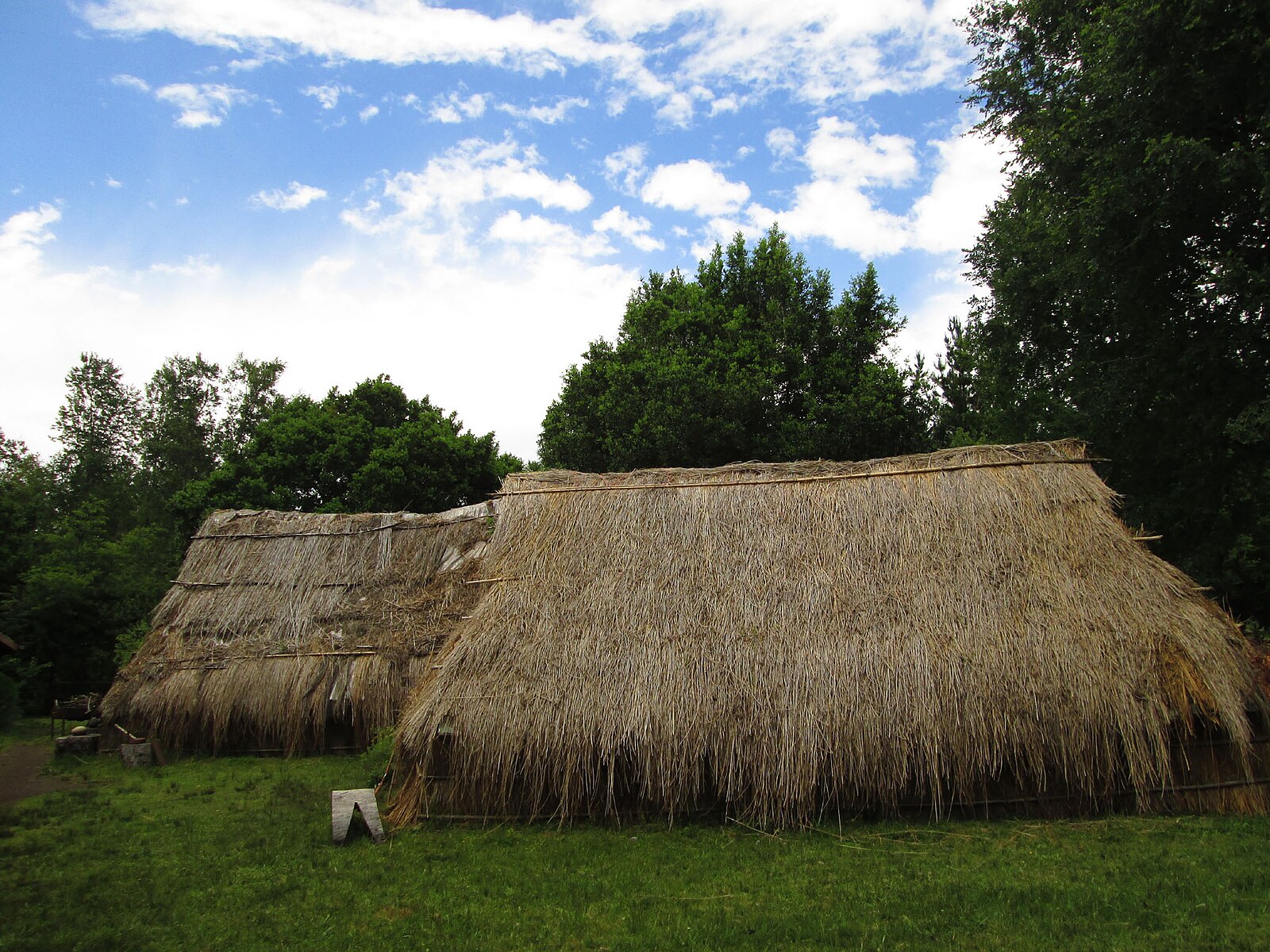
The Mapuche, the people of the south-central valleys, are the largest group at 1,623,073, or 8.8 percent of everyone counted. Afro-descendants, people of African ancestry, number 174,190, or 0.9 percent.
Religion
Chile has become more secular, as our explainer on religion in Chile shows. Among people aged 15 and over, 74.2 percent reported a religion or creed in 2024, and 25.8 percent said they have none, up from 8.3 percent in 2002.
Catholics made up 54 percent, down from 76.9 percent in 1992, and evangelical and other Protestant believers were 16.3 percent, all according to the same INE release.
Immigrants and the Chilean Diaspora
INE’s projections page estimates 1,918,583 foreign residents in Chile at 31 December 2023. It is INE’s estimate, not a census count.
Chile also sends people abroad. The Second Register of Chileans Abroad, presented in January 2018 by Chile’s foreign ministry and INE, counted 1,037,346 Chileans abroad, known as the diaspora: 42.4 percent in Argentina and 13.4 percent in the United States, roughly 139,000 people.
Spain held 10.2 percent and Sweden 5.4 percent. The register dates from 2018, so the current spread abroad is not measured.

What It Means for US Readers
For investors, a flat population and sharply lower births weigh on long-term growth, pension funds and housing demand. They also raise the value of immigrant labour in mining, construction and services.
For travellers and expats, Chile is a largely Spanish-speaking and urban country. For more, see our Chile news hub and our guide to residency in Chile, plus our Santiago city explainer.
What Is Not Known
Nobody knows exactly how many people live in Chile on a given day. The census and INE’s projection differ by about 1.7 million, and the projection is a model, not a count.
The size and location of the diaspora rest on a register presented in 2018, and the foreign-resident total is an estimate dated to the end of 2023. Whether the fertility rate has bottomed out is also unknown.
Frequently Asked Questions
What is the population of Chile?
Chile has a projected 20.15 million people, according to the statistics office INE’s figure for June 2026. The 2024 census counted 18,480,432 people between March and July 2024.
Why do the census and the projection differ?
The census counts the people enumerators reached in 2024, while the projection is a model that INE built from a 2024 base year and runs forward to June 2026. The gap is about 1.7 million.
Is the population of Chile growing?
Barely. INE projects a peak of 20,643,490 in June 2035 and a decline to 16,972,558 by mid-2070. Births fell to 146,446 in 2025, and the fertility rate of 0.99 is the first below one.
What percentage of Chile is indigenous?
In the 2024 census, 11.5 percent of people, or 2,105,863, said they belong to an indigenous people, down from 12.8 percent in 2017. The Mapuche are the largest group, at 8.8 percent.
How many Chileans live in the United States?
The Second Register of Chileans Abroad, presented in January 2018, counted 1,037,346 Chileans abroad. The United States held 13.4 percent, roughly 139,000 people, second only to Argentina at 42.4 percent.
Sources: Instituto Nacional de Estadísticas (INE) of Chile; World Bank; Government of Chile. All checked 13 November 2026.
- INE Chile, first 2024 census results, 27 March 2025 (English version 28 March)
- INE Chile, census results on indigenous peoples, Afro-descendants and religion, 30 June 2025
- INE Chile, population projections, 28 January 2026
- INE Chile, provisional vital statistics 2025, 27 May 2026
- INE Chile, population projections page (foreign residents estimate, 31 December 2023)
- World Bank, Population, total, Chile (data API)
- Government of Chile, Second Register of Chileans Abroad
This article was produced by The Rio Times’ automated AI newsroom. Editorial responsibility: Matthias Camenzind, Publisher and Editor-in-Chief. The Rio Times also runs Ask Rio Times, which answers from 100,000+ of our own articles, the daily Latin America Power Map, and prediction-market odds on elections and markets.. How we use AI · Report an error
Expat Guide to Chile
What The Rio Times publishes for foreigners who live in or move to Chile.
Start here
- Chile Tax System Explained for Residents and Foreigners
- Chile Security and Crime Explained 2026
- Santiago Rent for Foreigners in 2026, US$422 to US$886
- Best Places to Live in Chile for Expats 2026
City guides
Coming up in Chile
- Fauna Primavera 2026 in Santiago, Chile: The Strokes, New Order and FKA twigs on November 26–28 26 Nov
- Valdivia Hosts Chile's First Full IRONMAN on 29 November 29 Nov
- Chile TerrorFest II: Carcass and Testament Headline Santiago on 28–29 November 29 Nov
- A Perfect Circle Santiago: Puscifer Joins Chile Return on 29 November 29 Nov
Understand Chile