Spain’s Four Leaders Meet in Final Debate
Four leaders, five themes and one lottery decide how tonight's debate in Madrid unfolds, three days before Spaniards vote.

SPAIN ELECTION 2026
Four party leaders share one stage in Madrid tonight, Thursday 26 November 2026, in the final televised debate organised by the Academia before Sunday’s general election. The Academia de Televisión, Spain’s television academy and the organiser, says the debate runs from 22:00 Madrid time (4:00 p.m. Eastern Time) until midnight.
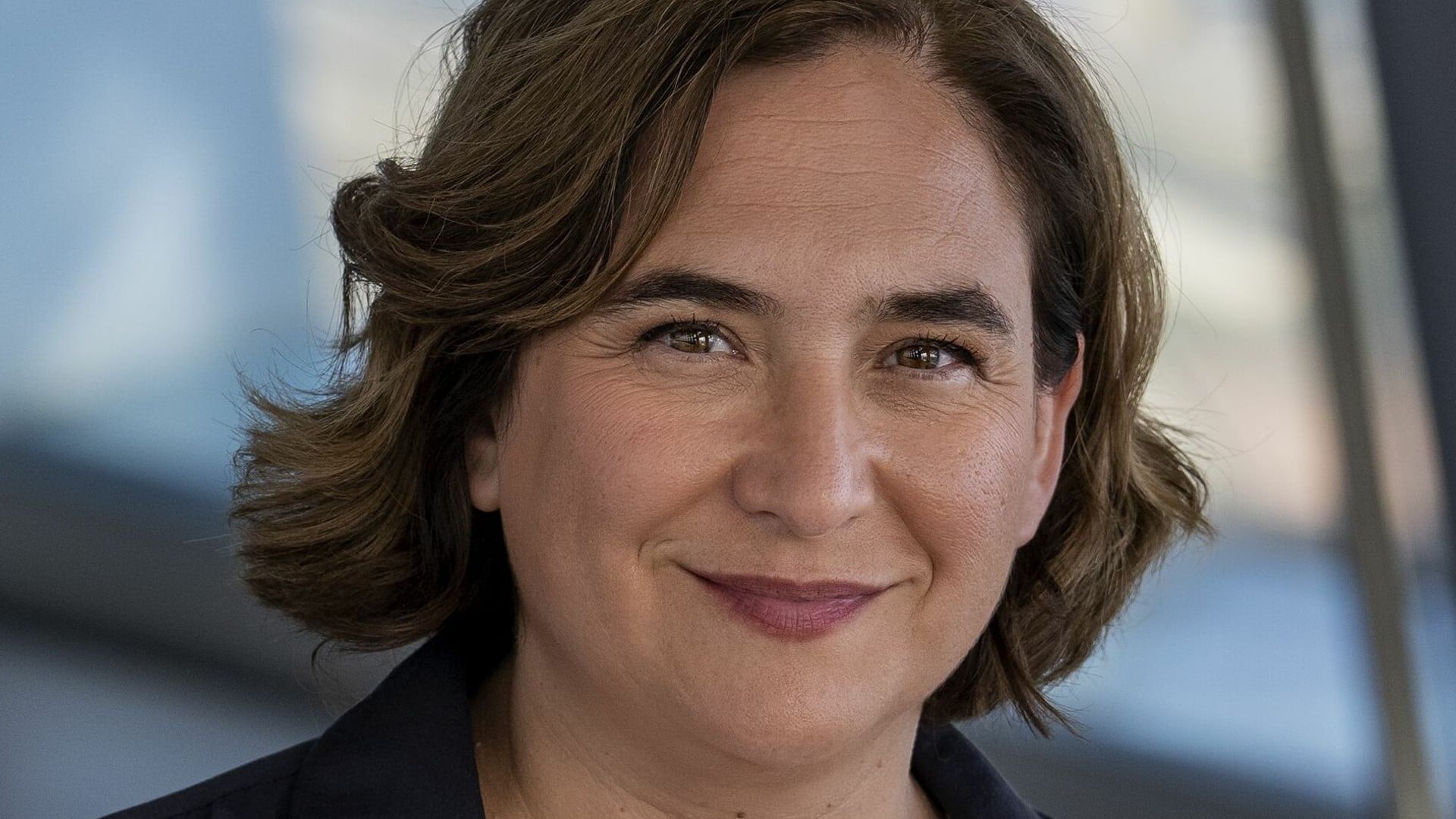
Prime Minister Pedro Sánchez of the Socialist Party (PSOE), opposition leader Alberto Núñez Feijóo of the conservative People’s Party (PP), Santiago Abascal, leader of the conservative Vox party, and Ada Colau, a former mayor of Barcelona, of the left-wing Frente Amplio alliance, each get the same speaking time. The speaking order was drawn by lottery, not chosen by the parties, and Academia president María Casado moderates.
Key Facts
- Who. Sánchez (Socialist), Feijóo (conservative), Abascal (Vox), Colau (Frente Amplio); moderator María Casado.
- What. Five blocks of 20 minutes, from housing to migration and foreign policy.
- When. Thursday 26 November, 22:00 to midnight Madrid time (4:00 to 6:00 p.m. ET).
- Next. Election on Sunday 29 November; the new parliament meets on 23 December.
- Prediction markets. Polymarket gives the PP about 75% to win most seats; US$1,185,119 traded (2:01 p.m. ET, 26 November).
Four leaders, five themes and one lottery decide how tonight’s debate in Madrid unfolds, three days before Spaniards vote.
Sánchez is the prime minister and leads the Socialist Party, known as PSOE. Feijóo leads the conservative People’s Party, the PP, and is leader of the opposition in parliament.
Abascal represents Vox, a conservative party that is the third force in the latest state poll. Colau, a former mayor of Barcelona, speaks for Frente Amplio, a left-wing alliance standing in this election.
The Academia de Televisión presented the final details at a press conference at Madrid Content City, a television studio complex, on 25 November 2026. María Casado, the president of the Academia, moderates the evening.
Five Blocks, Four Leaders, One Lottery
The Academia said on 25 November 2026 that the debate has five blocks of 20 minutes, with five minutes for each candidate in every block. The themes are housing; economy and taxation; social policy and public services; the fight against corruption and democratic regeneration; and migration and foreign policy.
Colau opens the first round, and the closing “golden minute”, a final statement by each candidate, runs in the order Sánchez, Abascal, Colau and Feijóo. The opposition leader therefore speaks last.
The candidates arrive from 20:20 Madrid time (2:20 p.m. ET), with Abascal first and Sánchez last, the Academia said on 25 November. Four referees from the Madrid Basketball Federation keep time during the evening.
The signal goes to all the main Spanish networks and to a Portuguese news channel that bought it, the Academia said on 25 November. Royal Decree 806/2026 of 5 October, published in the BOE, Spain’s official gazette, on 6 October 2026, dissolved parliament and called the election for Sunday 29 November.
The Congress of Deputies, the lower house, has 350 members. Tonight is not the first meeting of the main rivals, because on Thursday 19 November 2026 Sánchez and Feijóo faced each other in a one-on-one debate.
That contest also covered corruption, among other topics. Sánchez said on 19 November that “zero corruption does not exist, but zero tolerance does” (“La corrupción cero no existe, pero la tolerancia cero sí”).
He added that “both my organisation and my government are clean people” (“Tanto mi organización como mi Gobierno somos gente limpia”). Feijóo answered that Sánchez “cannot tell me that I have any case of corruption” (“Usted no me puede decir que yo tenga ningún caso de corrupción”).
The fourth block tonight, on the fight against corruption, gives that argument a second round. Both men will be on stage again, this time with Abascal and Colau alongside them.
The State Poll Favours the Socialists
The CIS, the Centro de Investigaciones Sociológicas and Spain’s state polling institute, published its November barometer on 23 November 2026. Its vote estimate, from 8,034 interviews held from 10 to 17 November, put PSOE at 34.4%, the PP at 24.7%, Vox at 15.6% and Frente Amplio at 5.7%.
In the same barometer, Sánchez was the preferred prime minister of 42.4% of respondents, ahead of Feijóo on 23.2%, Abascal on 13.2% and Colau on 5%. The CIS gives vote shares, not seats, so it cannot say who would command a majority in the 350-seat chamber.
The CIS pre-election information note of 12 November, based on 45,074 interviews held from 7 to 30 October, had PSOE at 33.3%, the PP at 25.5%, Vox at 18.4% and Frente Amplio at 4.7%. Set side by side, the two CIS surveys show the Socialist figure up by 1.1 points and Vox down by 2.8, though the fieldwork periods differ.
The fifth block, on migration and foreign policy, is where the debate comes closest to Latin America, since both topics shape Spain’s links with the region. The Academia’s published rules do not say which questions Casado will put, so what she asks inside that block is not known.
The official campaign ends at midnight on Friday 27 November, which is 6:00 p.m. ET, according to the Congress of Deputies’ press note of 6 October. Spaniards vote on Sunday 29 November, and the new parliament meets for the first time on 23 December at 10:00 Madrid time.
What Prediction Markets Say
Polymarket, a prediction market where people bet real money, prices the People’s Party at about 75% to win the most seats in the Spain general election, with US$1,185,119 traded as of 2:01 p.m. ET on 26 November. These prices are bets, not polls.
Frequently Asked Questions
Who speaks first and who speaks last tonight?
Colau opens the first round, and Feijóo gives the final golden minute. The Academia de Televisión set the orders by lottery.
Why does this debate matter outside Spain?
The block on migration and foreign policy covers the topics closest to Latin America. The next government will set Spain’s course on both.
Does the debate decide the election?
No, voters decide on Sunday. The CIS publishes vote shares rather than seats, so no poll or debate settles the result in advance.
Sources: Academia de Televisión press conference, 25 November 2026; CIS barometer 3587, 23 November 2026, and CIS pre-election study, 12 November 2026; Royal Decree 806/2026 (BOE, 6 October 2026); Congress of Deputies press note, 6 October 2026; Polymarket, 26 November 2026.
This article was produced by The Rio Times’ automated AI newsroom. Editorial responsibility: Matthias Camenzind, Publisher and Editor-in-Chief. The Rio Times also runs Ask Rio Times, which answers from 100,000+ of our own articles, the daily Latin America Power Map, and prediction-market odds on elections and markets.. How we use AI · Report an error