Kast at Six Months: 34 Percent and a Stalled Security Reform
CHILE · GOVERNMENT
Key Facts
- —The mark José Antonio Kast completed six months in office on 11 September.
- —The number Approval at 34 percent, per El Desconcierto.
- —The claim The governing coalition points to progress on security and economic reform.
- —The charge The opposition calls the programme a set of promises that cannot be kept.
- —The economy Described as frenada, stalled, with the central bank having halved its 2026 growth forecast.
- —The reform The security reform that was the centrepiece of the campaign remains stuck.
Six months in, Chile’s president has a third of the country behind him, a stalled economy and the reform he was elected to pass still in committee.
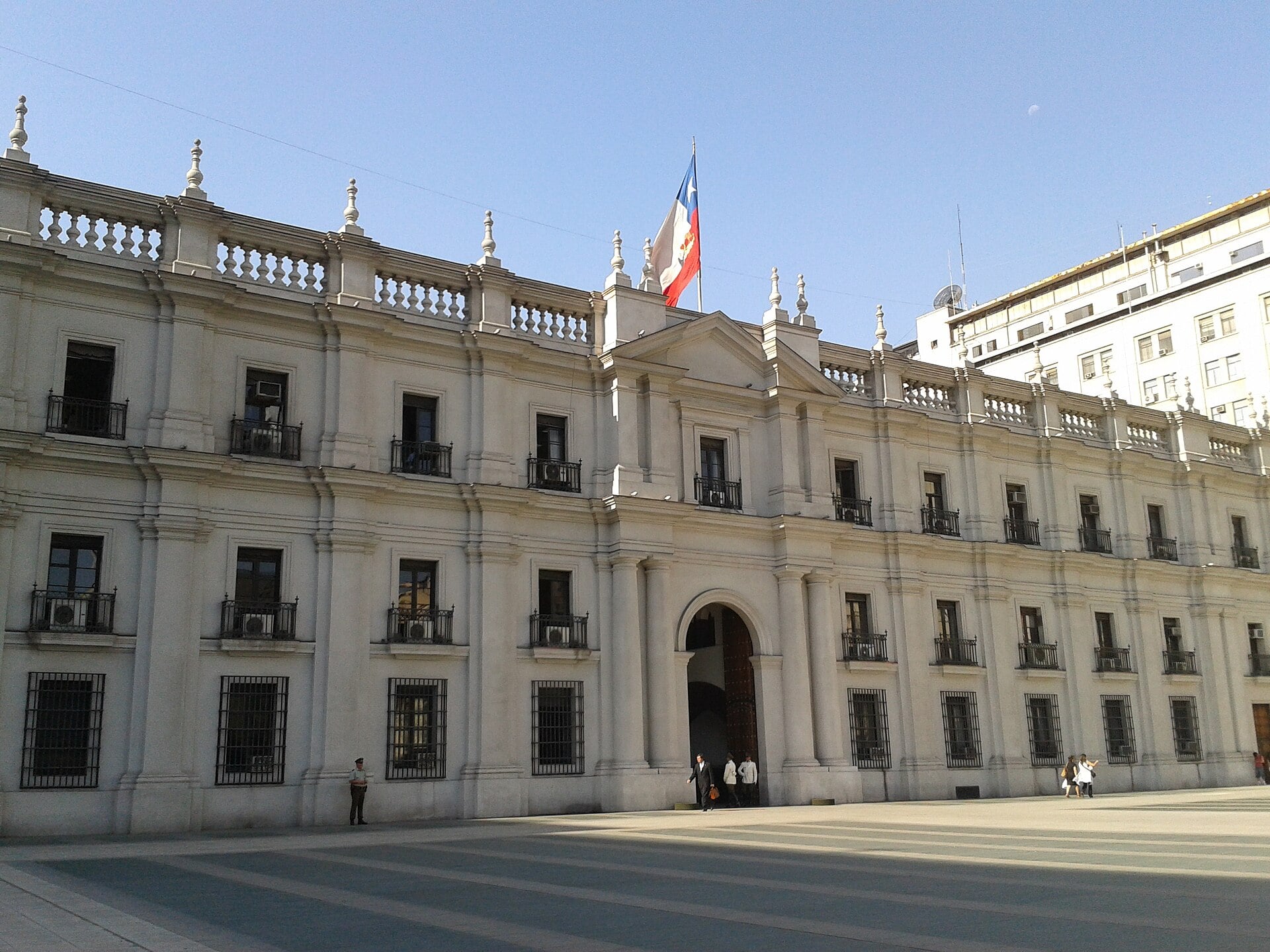
José Antonio Kast reached the six-month mark on 11 September with approval at 34 percent, a growth forecast the central bank has halved, and the security legislation that defined his campaign still unpassed.
What the Government Points To
The governing coalition’s own assessment emphasises progress on security and on economic reform, and the administration has moved on both fronts.
The MK4 capital markets and housing bill went to Congress with maximum urgency on 9 September, pairing a first-home down-payment contribution with a BancoEstado mortgage fund and a new exchange for startups and junior miners. Banking-sector figures have backed it publicly.
On the southern macrozone, the interior ministry cites a 24 percent reduction in rural violence to the end of August, under a state of emergency Congress has renewed every 30 days.

What the Opposition Points To
The counter-case is that the promises are unkeepable. The economy is described as stalled, and the central bank cut its 2026 growth forecast sharply this week while pointing to improvement only in 2027 and 2028.
The security reform that was the centrepiece of the campaign is stuck. That matters more than the economic argument, because security is what elected him.
Reporting also notes friction with international partners and internal wear inside the coalition, which at six months is early.

The Anniversary He Did Not Mark
Kast’s government chose not to hold official ceremonies for the 11 September anniversary of the 1973 coup, the first time since 1990 that a Chilean government has skipped them. The decision drew public protest.
That it fell on the same day as his own six-month mark is a coincidence of the calendar and an unhelpful one. A government explaining a stalled reform on the same day it declines to commemorate the coup gets the two stories reported together.
Chile’s presidential term runs four years without immediate re-election. Six months in, with 34 percent and a stalled centrepiece, is early enough to recover and late enough for the pattern to be visible.
What Six Months Measures
A Chilean president gets four years and cannot stand for immediate re-election, which compresses the useful legislative window into roughly the first two.
Six months in, a government is usually still spending the authority the election gave it. A reform that has not moved by then generally has a coalition problem rather than a drafting problem.
Kast does not control both chambers outright, which means the security legislation needs votes he has to negotiate for rather than votes he has. That is the ordinary condition of Chilean government and it is not an excuse the electorate historically accepts.
The Economy He Inherited
The central bank halved its 2026 growth forecast this week while pointing to improvement in 2027 and 2028, which is a way of saying the current weakness is not expected to be structural.
Chilean growth has been slow since the pandemic, with investment weak and copper revenue doing most of the work. None of that was created in six months and none of it can be fixed in six.
The MK4 bill is the administration’s answer on the investment side, pairing housing measures with a new listing venue for startups and junior miners. It has support from the financial sector and has not yet been tested in Congress.
A government polling at 34 percent needs that bill to pass more than the bill needs the government.
More: Chile news in English, every day from The Rio Times.
Frequently Asked Questions
When did Kast take office?
11 March 2026, making 11 September his six-month mark.
What is his approval rating?
34 percent, according to El Desconcierto.
What does his government claim?
Progress on security and on economic reform, including the MK4 capital markets bill and a 24 percent fall in rural violence in the southern macrozone.
What does the opposition say?
That the promises cannot be kept, the economy is stalled and the security reform is stuck.
What about the coup anniversary?
His government held no official ceremonies for the first time since 1990, and the decision drew protests.
Sources: El Desconcierto, La Tercera, Nostalgica, Radio Universidad de Chile.
This article was drafted with automated assistance and reviewed before publication. How we use AI · Report an error
In depth
Read More from The Rio Times