The Chilean government has issued an agricultural emergency for 16 municipalities in the southern region of La Araucanía.
This action follows severe rainfall over the weekend. The aim is quick aid for impacted farmers.
Agriculture Undersecretary Ignacia Fernández is leading the damage assessment. “The severe weather has significantly impacted these areas.
So, we have enough data to call for an emergency,” she said.
Fernández added that this status accelerates resource allocation. A tally of damages to local farming is in progress.
She stressed that livestock and small family farms need immediate help. These sectors are the hardest hit.
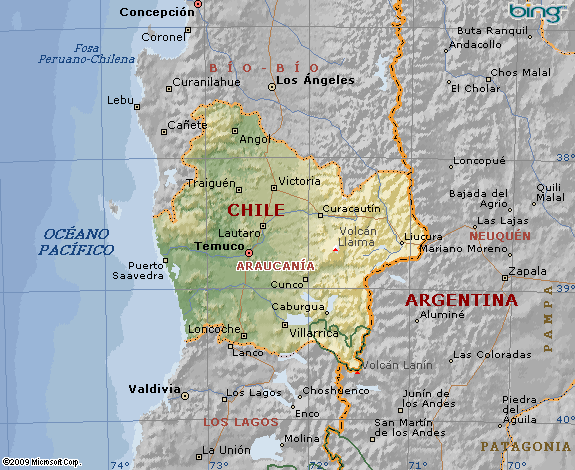
According to reports, the rains caused rivers to overflow. This led to blocked roads, lost crops, and flooded farms.
It’s worth noting that a similar emergency was declared last August. That event affected 117 other municipalities, leading to three deaths and many homeless.
Background
This emergency declaration marks the government’s quick response to natural disasters. It aims to streamline aid and resources.
However, the repetitive nature of these emergencies raises concern.
Frequent crises point to a need for long-term planning. For instance, better infrastructure could mitigate some effects of these weather events.
In particular, flood-resistant farming practices could be beneficial.
The focus on small family farms and livestock is crucial. These sectors often lack the resources for quick recovery. Thus, government intervention becomes essential.
While the immediate aim is aid delivery, this event could spark broader reforms. Weather events are becoming more unpredictable.
Therefore, sustainable practices might be the key to future resilience.
More: Chile news in English, every day from The Rio Times.
This article was produced by The Rio Times’ automated newsroom system. How we use AI · Report an error
Read More from The Rio Times