Calls for Internet Access Amid Senegal’s Election Tensions
Amnesty International called on Senegal to restore mobile internet and permit peaceful demonstrations, citing concerns over the service outage and election delays.
Samira Daoud from Amnesty highlighted the need for restraint and respect for peaceful assembly rights.
She emphasized the importance of safeguarding freedom of expression, as internet cuts hinder this.
The group pressed for immediate action. They want security forces to protect the right to information and ensure fair treatment of protestors and opposition members.
Senegal’s Parliament postponed the presidential elections from February 25 to December 15.
This move followed President Macky Sall’s indefinite delay of the elections, leading to widespread protests.
Sall, at the end of his two terms, defended his decision. He pointed out a controversy involving a candidate with dual nationality, which Senegal’s laws prohibit for presidential hopefuls.
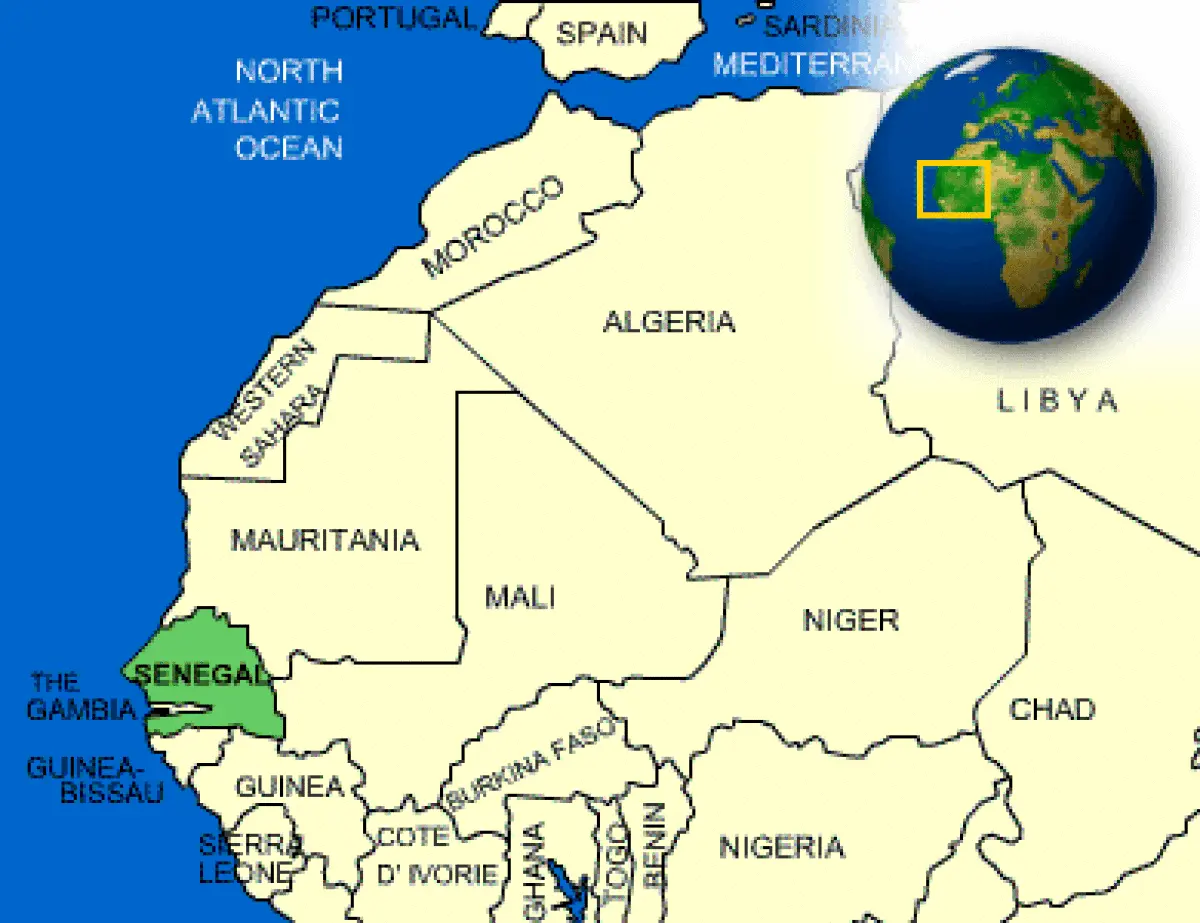
This situation revealed potential judicial corruption, questioning the integrity of the candidate selection process.
The opposition decried the postponement as a threat to democracy, labeling it a “constitutional coup.”
This situation underlines the critical balance between governance, legal norms, and the democratic process.
Background
Senegal’s past of smooth power changes stands out in a troubled region. The stoppage questions its democratic health.
Sall’s move points to internal tensions, especially over who can run in elections. This sparks debate on power and the law’s role.
Globally, Senegal’s case draws attention to West African democracy’s health. Ecowas and the U.S. push for dialogue and sticking to democratic ways.
The push for another vote date shows wider worries for the area’s politics and Senegal’s example.
The next few weeks are vital as Senegal seeks to maintain its democratic promise.
What happens will shape Senegal’s political scene and affect democratic views across Africa.
The global community watches, hoping for an outcome that boosts democratic strength and regional stability.
This article was produced by The Rio Times’ automated newsroom system. How we use AI · Report an error
Part of our ongoing coverage
Africa: The New Scramble — the great-power contest over the continent.
Read More from The Rio Times