
Published Saturday 14 November 2026 · Source: joint declaration of the Government of Burundi and the UN, 13 November 2026 (as reported); UNHCR (UN refugee agency); OCHA (UN humanitarian office)
Key Facts
- Plan: Burundi’s government and the UN signed a joint El Niño plan on Friday 13 November 2026.
- Cost: Needs are put at 630.2 billion Burundian francs (about US$211 million).
- People: About 4.7 million people are exposed to El Niño risks such as floods; 51,980 affected since September.
- Funding: The only funding announced so far is 10 billion francs (about US$3.3 million), about 1.6% of the cost.
- Not known: Which donors will cover the other 620 billion francs (about US$207 million).
Burundi has put the price of preparing for floods at 630.2 billion Burundian francs (about US$211 million at a reference rate of about 2,990 francs per US dollar on 13 November; the street rate is far weaker, so dollar figures are nominal). The government and Violette Kakyomya, the UN’s top official in the country, signed a joint plan on Friday 13 November 2026, according to local reporting of the signing.
The plan covers El Niño, a warming of Pacific Ocean water that shifts rainfall patterns across the world, and about 4.7 million people exposed to risks such as floods. The only funding announced so far is 10 billion francs (about US$3.3 million) from the government, about 1.6% of the total.
What the Plan Says
The reports say the risk analysis behind the plan was done by Burundi’s national platform for disaster risk management and OCHA, the UN Office for the Coordination of Humanitarian Affairs. It names 19 communes (local districts) as most exposed, with those in Bujumbura province among the most affected.
Seven relocation sites are planned for displaced families, one of them covering 22 hectares in Bujumbura province. Foreign minister Edouard Bizimana said storms, hail and floods have already struck some regions and called the plan “only the start”.
Bizimana added that the government keeps mobilising funds. He said it has asked development partners, diplomats, the private sector and international organisations to contribute.
Who Is Already Affected
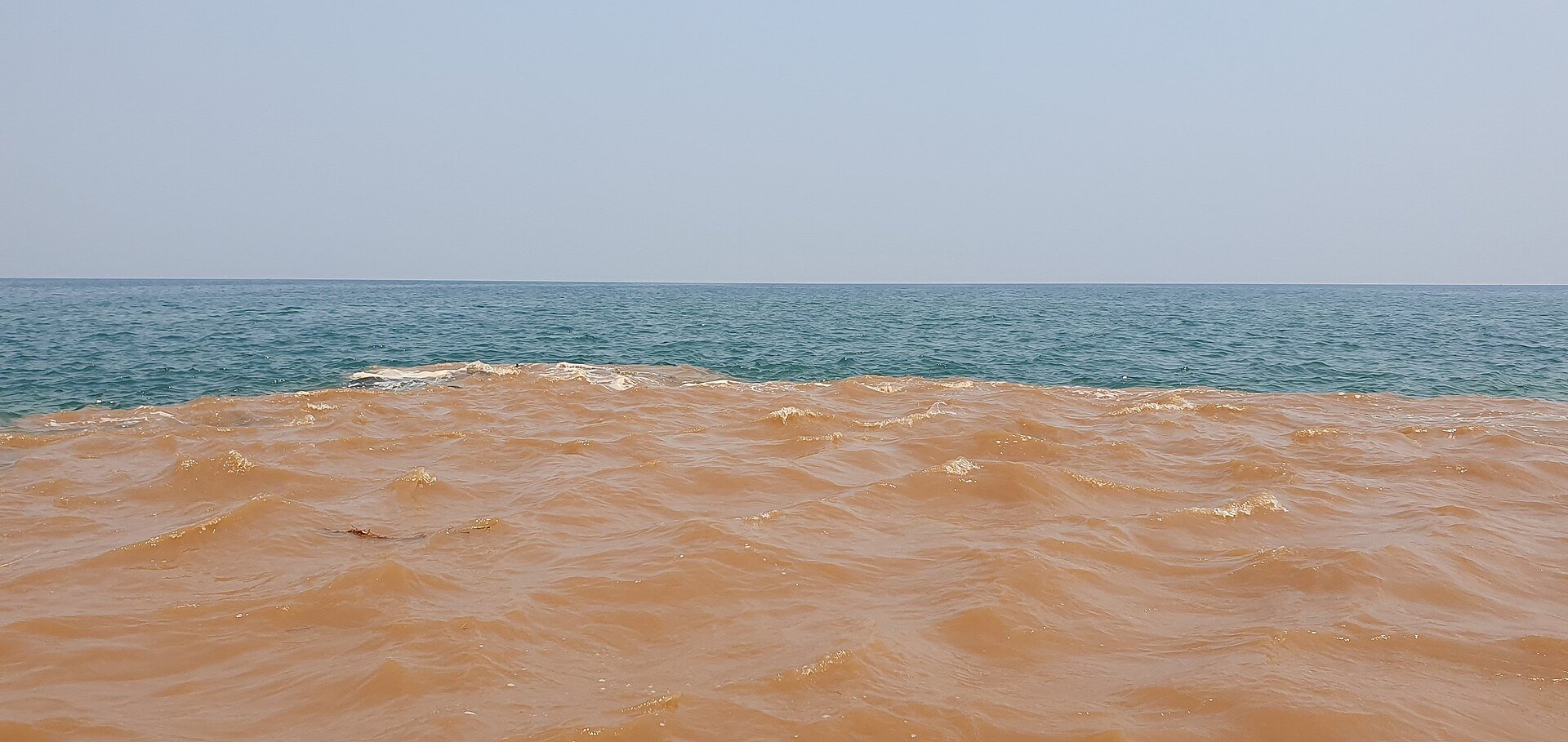
Kakyomya said that since September 51,980 people have been affected, including 5,660 who fled their homes but stayed in Burundi. She added that life-saving assistance “remains largely insufficient” compared with the needs expressed.
UNHCR, the UN refugee agency, said in a flash update dated 3 November that heavy rain, strong winds and lightning in October damaged shelters at the Busuma and Musenyi refugee sites in Burundi. In Busuma 510 tents were affected and about 2,000 people need to be relocated.
The Rain Outlook and the Wider Warning
The seasonal outlook cited in the reports points to above-normal rainfall in all of Burundi’s natural regions from September to December 2026. We could not match that outlook to a published forecast, so we treat it as reported.
On 13 July the UN’s emergency relief coordinator, Tom Fletcher, said El Niño was back and that the UN could release up to US$100 million from its Central Emergency Response Fund to act early. His statement named regions, including Eastern and Southern Africa, not Burundi, and said more than US$20 million had already been allocated across six countries.
Why the Funding Gap Matters
By our arithmetic from the reported figures, 620.2 billion francs (about US$207 million) of the 630.2 billion is not covered by any funding announced so far. Bizimana said the government keeps mobilising funds.
By our arithmetic, spread over 4.7 million people, the full 630.2 billion francs comes to about 134,000 francs (about US$45) a person. That is a division of two reported figures, not a cost per person published in the plan.
What It Means for You
This is mainly a humanitarian story. Those affected are households in flood-prone communes, along with the aid agencies and donors asked to fund the plan.
For readers who follow East Africa, the first sign to look for is whether donors name amounts, since we found none. Our guide to Burundi and its neighbours and Burundi coverage give the wider background, and El Niño plans elsewhere are in our reports on Peru and Mexico.
What Is Not Known
We have not seen the text of the declaration, so the figures are as reported. Local reports differ on whether the 10 billion francs has been spent or is planned, and on whether the government’s share is 10 billion or the 20 billion francs (about US$6.7 million) its spokesperson was reported to have announced earlier.
The 19 most exposed communes have not been named, and no donor pledge or funding date has been announced that we could find. We also could not confirm a published rain forecast behind the plan.
Frequently Asked Questions
How much does Burundi’s El Niño plan cost?
Needs are put at 630.2 billion Burundian francs, about US$211 million at a reference rate of about 2,990 francs per dollar on 13 November. The street rate is far weaker, so the dollar figure is nominal.
How many people are exposed in Burundi?
About 4.7 million people are exposed to El Niño risks such as floods under the plan. Since September 51,980 have been affected, including 5,660 displaced inside Burundi, said Violette Kakyomya, the UN’s top official in Burundi.
What is El Niño?
El Niño is a warming of Pacific Ocean water that shifts rain patterns worldwide. The plan’s outlook, as reported, points to above-normal rain in Burundi from September to December 2026.
Is the plan funded?
Not so far. The only funding announced is 10 billion francs, about 1.6% of the cost, and we found no donor pledges.
Sources: Joint declaration of the Government of Burundi and the UN Resident Coordinator on the El Niño operational plan 2026–2027, 13 November 2026 (as reported; text not seen); UNHCR flash update on the Busuma and Musenyi refugee sites, 3 November 2026; UN OCHA statement by Tom Fletcher, 13 July 2026.
This article was produced by The Rio Times’ automated AI newsroom. Editorial responsibility: Matthias Camenzind, Publisher and Editor-in-Chief. The Rio Times also runs Ask Rio Times, which answers from 100,000+ of our own articles, the daily Latin America Power Map, and prediction-market odds on elections and markets.. How we use AI · Report an error