
BURUNDI · TRAVEL
Key Facts
- The country Landlocked East African country of 14.4 million people, bordering Rwanda, Tanzania and the Democratic Republic of Congo.
- Why it matters Level 3, Reconsider Travel, on the US advisory, with some areas at Level 4, Do Not Travel.
- Why now Ebola cases in Congo reached 9,704 by 20 October, and Burundi is not among the five affected countries.
- What happened The advisory dates from 29 April 2025, and a 10 December 2025 embassy alert covers the Congo border.
- What it means for you Budget US$90 for a visa, carry a yellow fever card and insure for medical evacuation.
In Plain English
Level 3, Reconsider Travel, is the third of the State Department’s four advisory levels, and Level 4 means Do Not Travel. Ebola is a severe viral disease spread by contact with an infected person’s blood or body fluids.
The Commissariat Général des Migrations is the immigration agency of Burundi’s national police. STEP, the Smart Traveler Enrollment Program, is the State Department system that sends alerts to enrolled Americans abroad.
The US State Department rates Burundi Level 3, Reconsider Travel, on an advisory page that was still online on Friday, 30 October 2026 and carries the date line April 29, 2025. Entry is simple for Americans, with a 30-day visa on arrival listed at US$90, but the Congo border and Ebola next door shape any plan.
The advisory names political violence, crime and health as its reasons, and it sets two areas at Level 4. A separate US embassy alert of Wednesday, 10 December 2025 tells citizens to avoid the parts of Burundi that share a border with Congo.
What the State Department Says
The advisory says the possibility for political violence exists throughout Burundi, that police and military checkpoints are common, and that the borders may close without notice. It adds that police may search private homes for weapons and that violent crimes like assault, carjacking, home invasion, grenade attacks and armed robbery are possible.
The two Level 4 areas are the former Central Market on Chaussee Prince Louis Rwagasore in Bujumbura, and Cibitoke and Bubanza provinces together with Kibira National Park. US government employees need special permission to travel to the provinces and the park, and Washington may be unable to provide emergency services there.
The Congo Border and the Embassy Alert
The embassy alert concerned rising violence near the border at the Congolese city of Uvira, and it noted no reports of violence on the Burundian side although the situation remained fluid. It told US citizens to avoid travel to the parts of Burundi that share a border with Congo, and it did not mention any border closure.
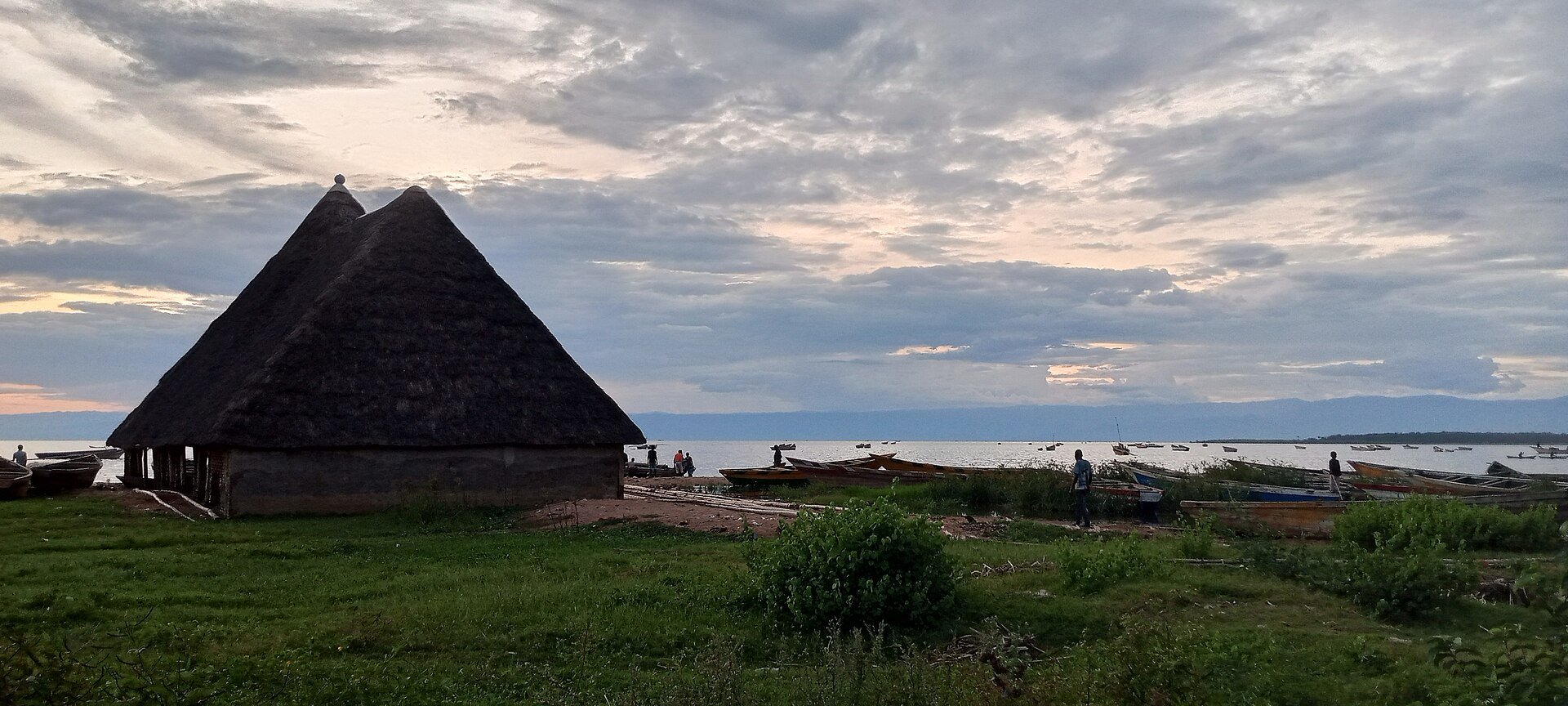
Uvira lies on Lake Tanganyika in Congo’s South Kivu province, and the report on the disputed rebel advance at Uvira covers the Congolese side. Land crossings into Congo lie inside the border zone that the alert tells Americans to avoid.
Ebola Next Door
The World Health Organization’s bulletin of 23 October 2026 counts 9,704 confirmed Ebola cases in Congo, including 4,687 deaths, as of 20 October, across 66 health zones in eight provinces. Cases have also been reported in Uganda, France, Kenya and Nigeria since the outbreak was declared on Friday, 15 May 2026, and the bulletin does not mention Burundi.
South Kivu, the Congolese province that borders Burundi, has one affected health zone out of 34, and the bulletin lists no new case there in the 24 hours to 20 October. The organization rated the risk for countries sharing a land border with Congo as high on 14 August.
US arrival restrictions in an embassy alert dated Sunday, 24 May 2026 cover travelers who were in Congo, Uganda or South Sudan within 21 days, and they funnel those travelers through Washington Dulles, Atlanta and Houston airports. Burundi is not on that list, and the alert shows no later change.
Visa, Passport and Money
The State Department’s country page lists a passport valid for six months, one blank visa page, a 30-day visa on arrival at Bujumbura airport for US$90 and a yellow fever vaccination card. Burundi’s tourism ministry lists an entry visa at US$70 per month and a multiple-entry visa at US$90, and the immigration agency’s fee table lists a multiple-entry visa at US$90, US$180 and US$270 for one, two and three months.
The State Department page lists a US$10,000 currency limit on entry and exit, and the tourism ministry says transactions are mostly in cash, although many hotels and restaurants accept Visa and Mastercard. The central bank’s rate for Friday, 30 October 2026 is 3,013 Burundian francs per US dollar at the mid-rate, with buying at 2,989 and selling at 3,037.
What It Means for You
Americans who go should buy medical evacuation insurance, because the advisory says medical services fall well below US standards and there are no adequate trauma services. They should also enroll in STEP and avoid Cibitoke, Bubanza, Kibira National Park and the former Central Market.
Business travelers should budget US$90 for the visa and confirm the fee with the immigration agency before flying, since the sources differ. Anyone heading to the US after a trip that touched Congo, Uganda or South Sudan should plan for the enhanced screening airports.
What Is Not Known
It is not known when the State Department will reissue the advisory, whose date line is April 29, 2025, or update the country page, last updated June 27, 2023. The airport visa price differs between that page and Burundi’s own sources, so the amount at the airport is not confirmed.
It is not known whether the US screening list will add Burundi if Ebola reaches it, because the list on the embassy page is dated 24 May 2026. Burundi’s health ministry said the minister visited Bujumbura’s airport on Monday, 11 May 2026 and called for a modern thermal scanner, but its page does not say whether one has been installed.
Frequently Asked Questions
What is the US travel advisory level for Burundi?
Burundi is Level 3, Reconsider Travel, on the State Department page dated April 29, 2025 and read on 30 October 2026. The former Central Market in Bujumbura, and Cibitoke and Bubanza provinces with Kibira National Park, are Level 4.
Do Americans need a visa for Burundi?
Yes, and the State Department lists a 30-day visa on arrival at Bujumbura airport for US$90. Burundi’s tourism ministry lists US$70 per month for an entry visa, so confirm the fee with the immigration agency.
Is there Ebola in Burundi?
The World Health Organization’s bulletin of 23 October 2026 lists cases in Congo, Uganda, France, Kenya and Nigeria and does not mention Burundi. It rated the risk for countries sharing a land border with Congo as high on 14 August 2026.
Can Americans use credit cards in Burundi?
Transactions are mostly in cash, the tourism ministry says, but many hotels and restaurants accept Visa and Mastercard. The central bank’s rate on 30 October 2026 is 3,013 Burundian francs per US dollar at the mid-rate.
Sources: US State Department, Burundi travel advisory, date line April 29, 2025, read 30 Oct 2026; US State Department, Burundi country information, last updated June 27, 2023, read 30 Oct 2026; US Embassy Bujumbura, security alert of 10 Dec 2025; US Embassy Bujumbura, public health arrival restrictions alert of 24 May 2026; World Health Organization, Disease Outbreak News DON622, 23 Oct 2026; Burundi Commissariat Général des Migrations, visa fee table, read 30 Oct 2026; Burundi tourism ministry, visa page, read 30 Oct 2026; Burundi tourism ministry, banking page, read 30 Oct 2026; Banque de la République du Burundi, exchange rates of 30 Oct 2026; Burundi Ministry of Public Health, airport health screening visit of 11 May 2026; World Bank, Burundi population, data updated 8 Oct 2026.
This article was produced by The Rio Times’ automated newsroom system. How we use AI · Report an error · Editorial responsibility: Matthias Camenzind, Editor-in-Chief