Côte d’Ivoire’s port lifeline to Mali and Burkina Faso grows despite rift
Côte d’Ivoire · TRADE
Key Facts
- —The country Côte d’Ivoire, home to 32.7 million people, is French-speaking West Africa’s largest economy. Its 2025 output, near US$100 billion, exceeded Mali, Burkina Faso and Niger combined, World Bank data show.
- —Why it matters Military-run Mali, Burkina Faso and Niger quit ECOWAS, the Economic Community of West African States, in January 2025. Landlocked Mali and Burkina Faso still depend on Ivorian ports and roads.
- —Why now Jeune Afrique, the Paris-based weekly, on 29 September described a pragmatic rapprochement between Abidjan and the Alliance of Sahel States, or AES.
- —What happened On 25 August 2026 in Bamako, Ivorian and Malian experts adopted the final line of their roughly 532-kilometre border and a draft treaty.
- —The numbers Transit cargo through the port of Abidjan to landlocked neighbours rose 34.1% in 2025 to 3.9 million tonnes. Cargo for Mali jumped 76.4% to 1.47 million tonnes.
- —What it means for you Shippers serving Mali or Burkina Faso can keep routing through Abidjan, where customs checks eased this spring. Jihadist attacks on Sahel roads remain the main risk.
- —Still open The border treaty still needs signing by both governments, expected before the end of 2026. Security distrust between Abidjan and the Sahel juntas has not gone away.
Côte d’Ivoire’s leaders and the military rulers of Mali and Burkina Faso barely talk. Yet cargo through Abidjan to the Sahel hit a record in 2025, and border experts have just settled a long-open line.
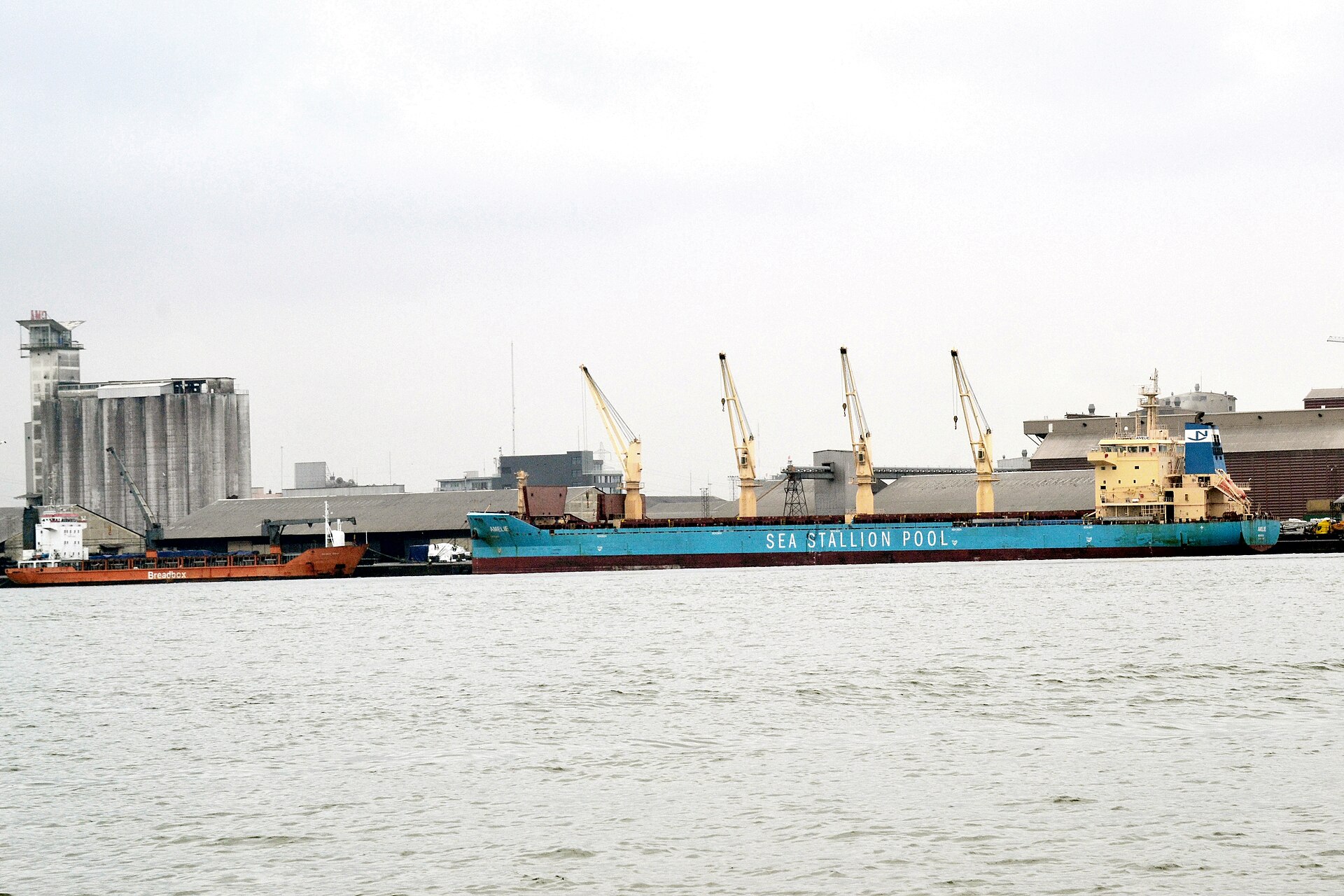
Côte d’Ivoire, the world’s biggest cocoa producer, sits on the Atlantic coast south of Mali and Burkina Faso. Sahel trade through its port of Abidjan is growing even though relations with the military governments next door remain cold.
Mali, Burkina Faso and Niger are run by soldiers who seized power in coups between 2020 and 2023. They left the West African regional bloc and formed their own Alliance of Sahel States, known by its French initials AES.
A border drawn by experts, not presidents
On Tuesday 25 August 2026, Ivorian and Malian experts meeting in Bamako, Mali’s capital, adopted by consensus the final line of their shared border. They also approved a draft treaty to give that line legal force.
The frontier runs for about 532 kilometres, according to the Malian news site Journal du Mali. The talks closed a five-day session of the two countries’ joint technical commission.
Diakalidia Konaté, executive secretary of Côte d’Ivoire’s national border commission, led the Ivorian side, the Ivorian state news agency AIP reported. Both governments are expected to sign the treaty before the end of 2026, before markers go into the ground.
Jeune Afrique, the Paris-based weekly, put the deal in pointed terms on 29 September. The experts, it wrote, agreed on the one thing their heads of state no longer discuss: the border itself.
The numbers behind the rapprochement
The port of Abidjan handled a record 46.6 million tonnes in 2025, up 16.1% on 2024, the port authority said in February. Transit cargo for landlocked neighbours rose 34.1% to 3.9 million tonnes.
Mali drove most of that Sahel trade growth: its cargo jumped 76.4% to 1.47 million tonnes, from about 835,000 in 2024. Burkina Faso’s rose 16.6% to 2.4 million tonnes.
Together the two countries account for almost all of Abidjan’s transit traffic. Niger, the third alliance member, does not appear separately in the port’s figures.
Policy has followed the cargo. A circular signed on 31 March 2026 scrapped a customs pre-approval, in force since 2000, for goods heading to Mali and Burkina Faso.
Brokers previously needed sign-off from the two countries’ customs representatives before filing declarations. Now they file directly with Ivorian customs, which should cut waiting time at the port.
Why the Sahel still needs Abidjan
Roughly 60% of Mali’s imports and exports still use the Dakar corridor through Senegal, Journal du Mali reported in August, citing the World Bank. Abidjan is the main alternative, alongside Conakry, Lomé, Tema and Nouakchott.
That alternative matters more since September 2025, when the jihadist group JNIM, an al-Qaeda affiliate, began attacking fuel convoys heading into Mali. Ivorian partners reported loading 852 million litres of fuel for Mali in the first half of 2026.
For Côte d’Ivoire, Sahel trade brings port fees, trucking work and diplomatic weight. Losing that cargo to Ghana, Togo or Guinea would hurt Abidjan’s ambition to be the region’s main gateway.
What the thaw does not fix
Trade has not healed the politics. Jeune Afrique called the rapprochement pragmatic, noting it leaves security suspicions and rival visions of West Africa intact.
Distrust runs deep. In July 2022 Mali detained 49 Ivorian soldiers as alleged mercenaries, and the last 46 were only freed in January 2023.
Côte d’Ivoire stayed in the regional bloc and kept close ties with France, while the juntas turned towards Russia. Its northern regions have also absorbed refugees fleeing violence in Mali and Burkina Faso.
Diplomatic channels have reopened at ministerial level. Adama Dosso, Côte d’Ivoire’s minister for African integration, was received in Ouagadougou, Burkina Faso’s capital, in December 2025.
In June 2026, defence minister Téné Birahima Ouattara said Côte d’Ivoire was ready to resume security cooperation with both neighbours. No joint security arrangement has been announced since.
What to watch next
The first test is whether the border treaty is signed on schedule by the end of 2026. Physical demarcation with boundary markers would follow, easing disputes in farming and gold-mining areas along the line.
The second is the port of Abidjan’s 2026 transit data, due early next year. Another rise for Mali and Burkina Faso would confirm that Sahel trade, not diplomacy, is setting the pace.
For broader context, see Côte d’Ivoire Explained, Mali Explained and Africa: The New Scramble.
Frequently Asked Questions
Why does Côte d’Ivoire still trade with Mali and Burkina Faso?
Both countries are landlocked and need a coastal port to reach world markets. Côte d’Ivoire earns port fees and influence by serving them, so both sides keep cargo moving despite political tension.
What did Côte d’Ivoire and Mali agree in August 2026?
On 25 August in Bamako, experts adopted the final line of their shared border, about 532 kilometres long, and a draft treaty. Governments are expected to sign the treaty before the end of 2026.
How much Sahel trade passes through the port of Abidjan?
Transit cargo for landlocked neighbours reached 3.9 million tonnes in 2025, up 34.1%, according to the Port of Abidjan. Mali took 1.47 million tonnes and Burkina Faso 2.4 million tonnes.
Has the political dispute between Abidjan and the Sahel juntas ended?
No. Jeune Afrique reports that the rapprochement is pragmatic and leaves security suspicions and rival visions of West Africa in place.
Connected Coverage
Sources
- Jeune Afrique, 29 Sep 2026
- AIP (Ivorian news agency), 26 Aug 2026
- Journal du Mali, 27 Aug 2026
- Port of Abidjan, 2025 traffic results
- AIP, 13 Feb 2026
- Journal du Mali, 7 Apr 2026
- Journal du Mali, 6 Aug 2026
- World Bank data
This article was produced by The Rio Times’ automated newsroom system. How we use AI · Report an error
LatAm Markets: Live Signals → — real-time movers, turnover leaders and FX across Latin America.
Read More from The Rio Times