
GUIDES · IVORY COAST
Key Facts
- —In context Côte d’Ivoire, or Ivory Coast, had 32.7 million people and an economy of US$99.8 billion in 2025. That was about 39% of the combined output of the eight-state West African monetary union.
- —Neighbours Five land borders: Liberia and Guinea to the west, Mali and Burkina Faso to the north, and Ghana to the east. The Gulf of Guinea lies to the south.
- —Regional blocs A member of ECOWAS, which has 12 states since Mali, Burkina Faso and Niger left on 29 January 2025. It also shares a central bank, the BCEAO, with seven other states.
- —Ghana Together with Ghana, Ivory Coast grows about 60% of the world’s cocoa. The two presidents signed a joint cocoa declaration in Abidjan on 16 June 2026.
- —Sahel pressure 71,469 registered refugees from Burkina Faso lived in Ivory Coast on 31 May 2026, or 94.2% of all refugees there. Malian cargo through the port of Abidjan rose 76.4% in 2025 to 1.47 million tonnes.
Ivory Coast is the largest economy in its monetary union and shares land borders with five countries, from cocoa partner Ghana to Sahel neighbours facing jihadist violence. This guide maps who they are, what moves between them and where Ivory Coast leads or follows.
The Ivory Coast neighbourhood is five land borders and an ocean front, and each border carries a different story. Cocoa and a settled sea boundary define the east, the Sahel’s insecurity defines the north, and shared power lines and ports tie the west and south together.
For US readers the neighbourhood matters because it sets the supply of cocoa, the routes for West African cargo and the risks for travellers. Every figure here carries its date, and the guide reflects the position as of 19 October 2026.
Where Ivory Coast Sits in West Africa
Ivory Coast lies on the Gulf of Guinea and is called Côte d’Ivoire in French. Liberia and Guinea lie to its west, Mali and Burkina Faso to the north and Ghana to the east.
The World Bank puts Ivory Coast at 32.7 million people and an economy of US$99.8 billion in 2025, or about US$3,050 per person. Its five land neighbours together had about 105.2 million people and US$205.5 billion of output that year.
Ghana is the only neighbour with a larger economy, at US$114.2 billion, and a slightly higher income of about US$3,257 per person. Mali, Burkina Faso, Guinea and Liberia each produce less than a third of the Ivorian total.
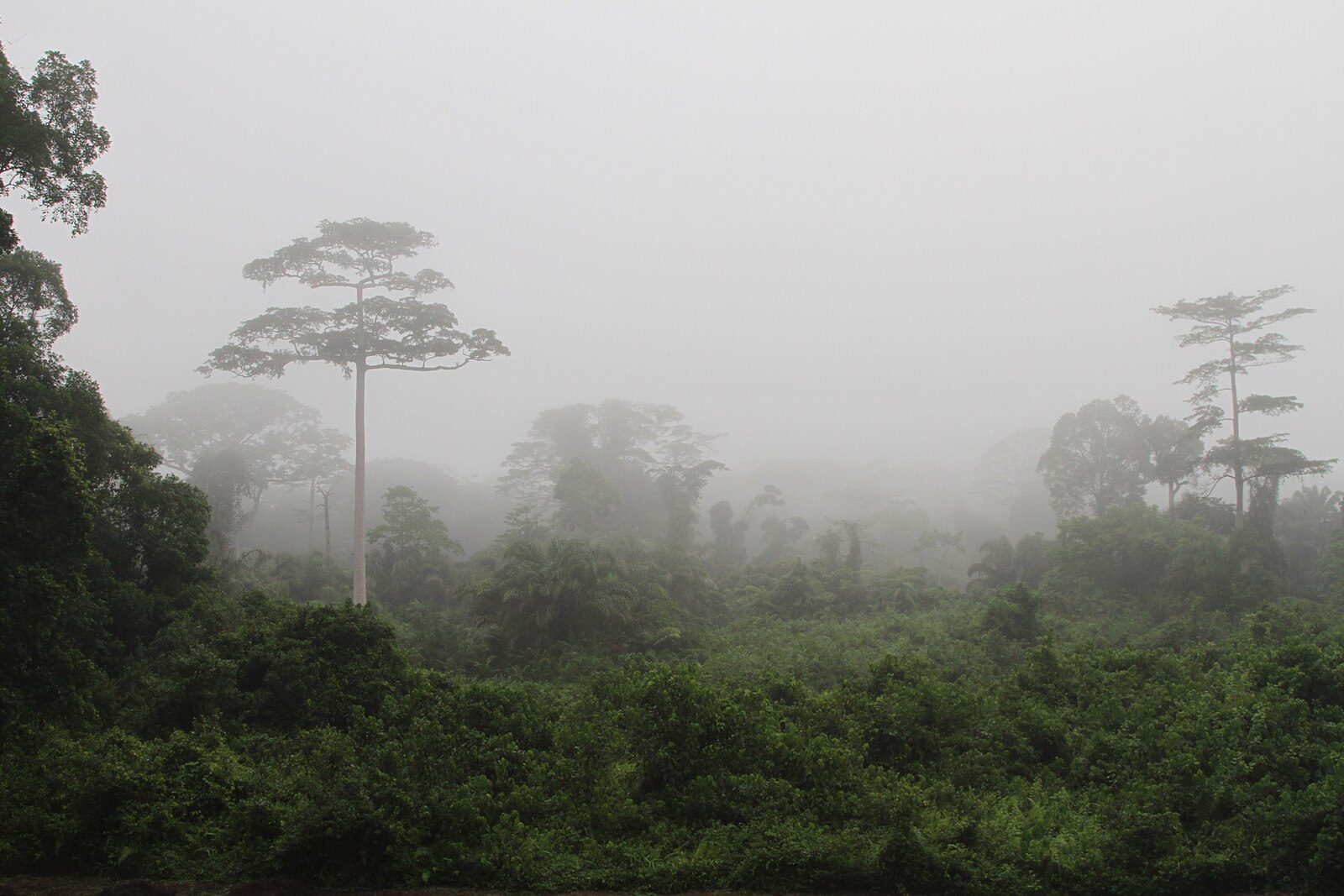
Income per person shows how different the neighbours are. Liberia stands at about US$915, Burkina Faso at US$1,148 and Mali at US$1,193, while Guinea reaches US$1,877.
Who Governs Ivory Coast and Its Neighbours
Alassane Ouattara won the election of 25 October 2025 with 89.77% of valid votes, on a turnout of 50.10%. The electoral commission’s national results list him under the RHDP, the Rally of Houphouëtistes for Democracy and Peace.
Robert Beugré Mambé was reconfirmed as prime minister and appears in that post on the official government portal in 2026. The portal also lists a vice prime minister who doubles as defence minister, Téné Birahima Ouattara.
Ghana’s president is John Dramani Mahama, and Liberia’s is Joseph Nyuma Boakai. Guinea’s Mamadi Doumbouya, a general who took power in a 2021 coup, was sworn in as elected president on 17 January 2026.
Official results gave Doumbouya 86.7% of the vote in the election of 28 December 2025. In Mali, junta leader Assimi Goita faced a jihadist blockade announcement on the roads to Bamako in late April 2026.
Mali and Burkina Faso are now outside ECOWAS. Together with Niger they form the Confederation of Sahel States, known by its French initials AES.
Ghana, the Cocoa Partner and Sea Neighbour
Ghana is Ivory Coast’s closest economic peer and its main partner in cocoa. Together the two grow about 60% of the world’s cocoa, and on 16 June 2026 Presidents Mahama and Ouattara signed a joint declaration in Abidjan.
The declaration reaffirmed the Living Income Differential, a price premium meant to raise farmer incomes, and called for a common framework to set producer prices. It also backed the Ivory Coast-Ghana Cocoa Initiative and proposed opening the cocoa alliance to other African producers.
The two states also settled their sea border by law rather than force. A special chamber of the International Tribunal for the Law of the Sea, formed under a special agreement of 3 December 2014, ruled on 23 September 2017.
The chamber fixed a single maritime boundary for the territorial sea, the exclusive economic zone and the continental shelf. It also found, unanimously, that Ghana had not violated Ivory Coast’s sovereign rights.
Burkina Faso and Mali, the Sahel Frontier
The northern border faces the Sahel, the semi-arid belt south of the Sahara where armed groups operate. The UN refugee agency, UNHCR, counted 75,853 registered refugees in Ivory Coast on 31 May 2026, and 71,469 of them, or 94.2%, came from Burkina Faso.
Mali accounted for another 1,736 refugees and Liberia for 1,165 on the same date. UNHCR also says insecurity in the Central Sahel keeps pushing people into northern Ivory Coast, with about 93,200 refugees and asylum seekers hosted as of June 2026.
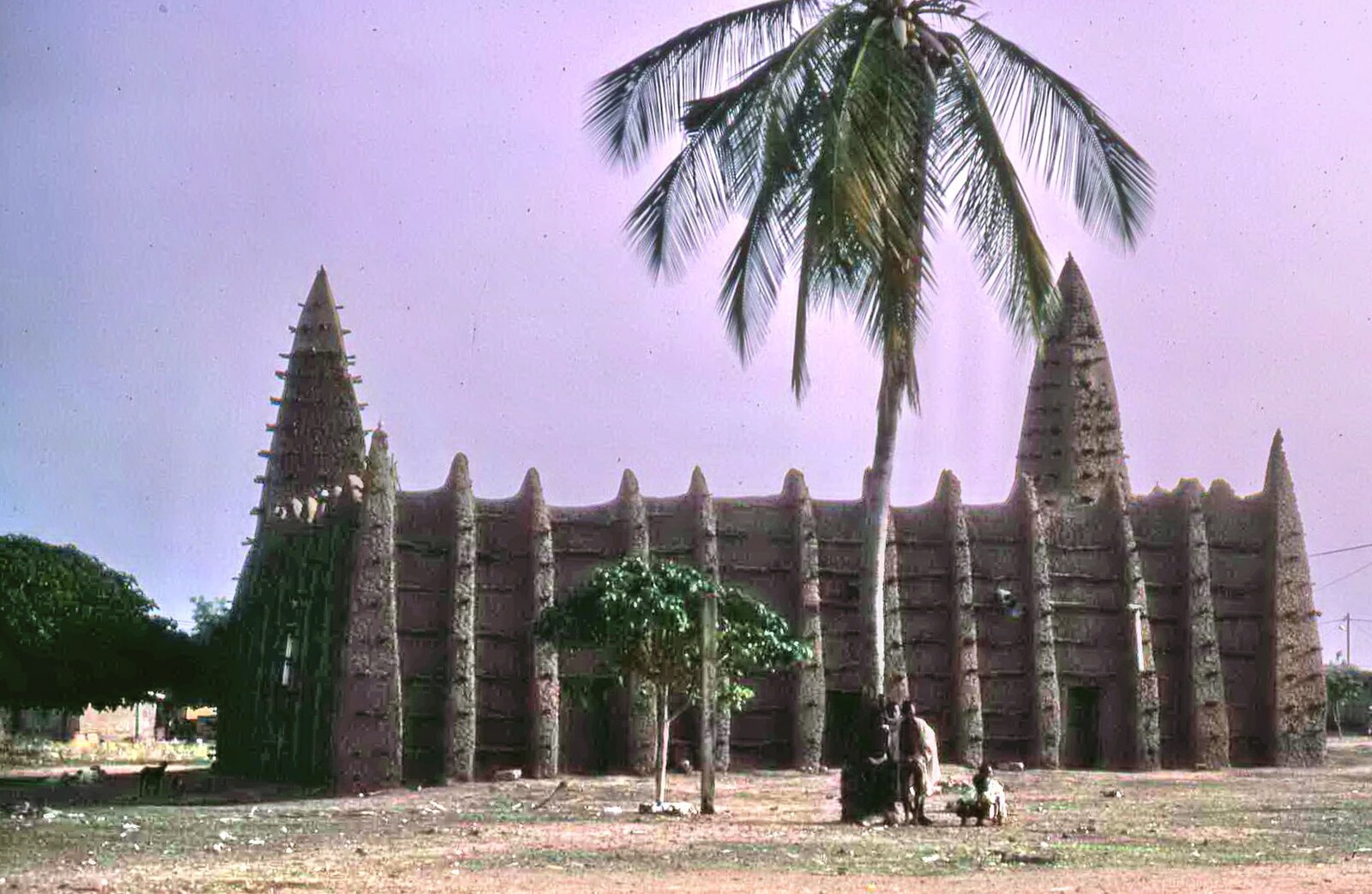
Mali is landlocked and depends on foreign ports, and Abidjan is gaining ground on Dakar. Malian transit through the Ivorian port rose 76.4%, from 835,216 tonnes in 2024 to 1.47 million in 2025, the Journal du Mali wrote in August 2026.
The same article says the Bamako-Dakar corridor still carries nearly 60% of Mali’s imports and exports, citing the World Bank. Since September 2025 the al-Qaeda-linked group JNIM has tried to disrupt supplies by attacking roads and convoys from Senegal, Ivory Coast and Guinea.
In late April 2026 JNIM announced a blockade of all roads into Bamako, a claim that the wire report Africanews carried said it could not verify. Africanews added that Goita reappeared after several days of absence and called the situation under control.
Mali, Burkina Faso and Niger left ECOWAS on 29 January 2025. ECOWAS said on that date that, until further notice, it would keep honouring free movement, residence and trade rules for their citizens and goods.
That policy matters to Ivory Coast because its northern border runs along two of the three states. ECOWAS and the AES then held their first formal ministerial session in Dakar on 17 October 2026.
Guinea and Liberia, the Western Border
Guinea and Liberia share the forested and hilly west with Ivory Coast, and both are ECOWAS members. Guinea has 15.1 million people and an economy of US$28.3 billion, while Liberia has 5.7 million people and US$5.2 billion of output, all as of 2025.
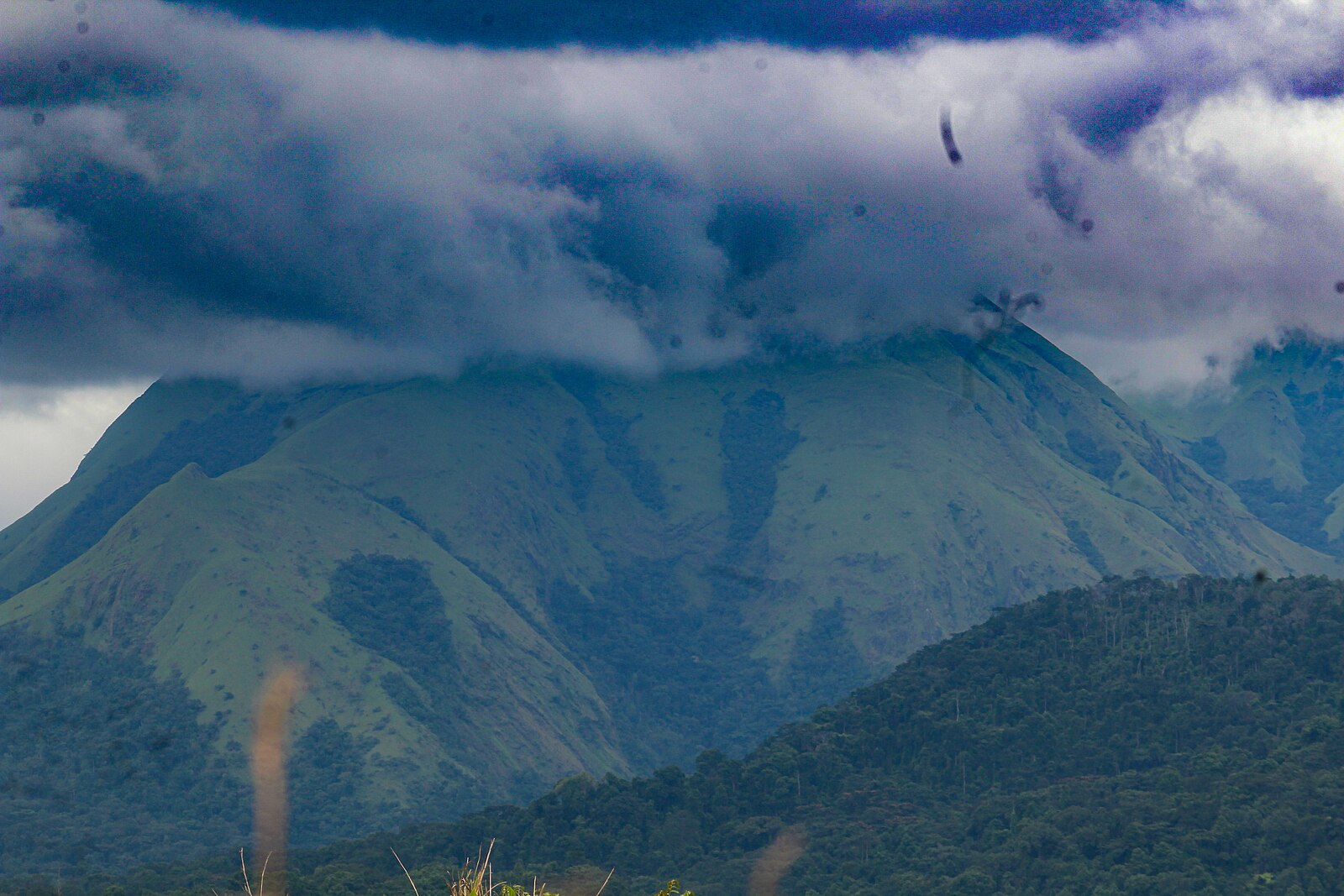
Guinea is also a rival outlet for Mali’s cargo. Mali obtained usage rights at the port of Conakry in January 2026, the Journal du Mali wrote, giving it a further southern route beside Abidjan and Dakar.
The west is bound together by electricity, through the CLSG power line that joins Côte d’Ivoire, Liberia, Sierra Leone and Guinea. TRANSCO CLSG, the company behind it, launched its 2027 budget planning from Abidjan on 15 October 2026.
UNHCR lists 1,165 Liberian refugees in Ivory Coast as of 31 May 2026. That is a small number beside the 71,469 refugees from Burkina Faso.
Regional Bodies and the Shared Currency
ECOWAS, the Economic Community of West African States, has 12 members including Ivory Coast, with headquarters in Abuja, Nigeria. Senegal’s President Bassirou Diomaye Faye took over the chair of its heads of state at the 69th summit in Freetown on 19 July 2026.
The same summit appointed General Birame Diop, a former Senegalese defence minister, as president of the ECOWAS Commission. He was due to take office on 1 September 2026.
Ivory Coast also belongs to the monetary union whose central bank, the Central Bank of West African States (BCEAO), serves eight states. They are Benin, Burkina Faso, Ivory Coast, Guinea-Bissau, Mali, Niger, Senegal and Togo.
Mali, Burkina Faso and Niger left ECOWAS but remain on the BCEAO list. Ivory Coast produced about 39.1% of the combined 2025 output of the eight states, computed from World Bank data, well ahead of Senegal at 14.5%.
Trade Corridors, Power Lines and Roads
The planned Abidjan-Lagos Corridor Highway would run 1,028 kilometres from Bingerville in Abidjan to Eric Moore in Lagos. ECOWAS says the six-lane road would cross five countries, namely Ivory Coast, Ghana, Togo, Benin and Nigeria, pass through more than 25 cities and connect five borders.
In July 2025 ECOWAS said the project was entering its final design phase. An ECOWAS representative said finishing the studies, funded mainly by the African Development Bank, would let the project move on to construction.
On electricity, the CLSG site quotes the Energy News Network of 24 August 2026 as saying the regional power market enters its first full trading year in January 2027. The same article says all 14 continental West African countries have been joined in a single grid since late 2023.
Ports matter as much as roads. Besides Abidjan, Mali’s transit map also includes Dakar, Conakry, Nouakchott, Tema and Lomé, so the Ivorian port competes for every landlocked customer.
Where Ivory Coast Leads and Where It Follows
On several measures Ivory Coast leads its neighbourhood. It has the largest economy in the monetary union, grows about 60% of world cocoa with Ghana and hosts the CLSG operator in Abidjan.
On regional diplomacy it more often follows. Senegal, not Ivory Coast, chairs ECOWAS in October 2026 and hosted the first ministerial session with the AES, while the ECOWAS Commission sits in Abuja.
Ghana’s larger economy means Ivory Coast shares leadership in cocoa rather than holding it alone. The June 2026 statement stresses a “special responsibility” that both leaders share for the sector.
What It Means for US Readers
US chocolate makers should watch this neighbourhood, where the two top cocoa growers pledged in June 2026 to harmonise producer prices. Any coordinated price move would reach cocoa buyers, although no effect on US prices is established.
Investors with exposure to the CFA-franc zone should note that Ivory Coast, Mali and Burkina Faso still share one central bank even though their political blocs have split. Shippers with Malian cargo may route more through Abidjan, as the 2025 tonnage shows, but convoy attacks since September 2025 raise the risk.
Travellers and expats should read the State Department advisories for Côte d’Ivoire, Mali, Burkina Faso and Ghana before any overland trip. Conditions near the northern border differ sharply from those in Abidjan.
What Is Not Known
It is not known whether ECOWAS and the AES will reach a framework agreement, or when they will next meet at ministerial level. The first session of 17 October 2026 is only the start of the talks.
No source used here gives the number of Burkinabe and Malian citizens living in Ivory Coast, or how many people cross the northern border each year. The refugee counts of UNHCR cover only registered people.
Whether the cocoa price harmonisation promised in June 2026 will change farm-gate prices is also unclear. The construction timetable for the Abidjan-Lagos highway after its July 2025 design phase was not found in the documents consulted.
Connected Coverage
Frequently Asked Questions
Which countries border Ivory Coast?
Ivory Coast borders Liberia and Guinea to the west, Mali and Burkina Faso to the north and Ghana to the east. Its southern coast faces the Gulf of Guinea.
Is Ivory Coast a member of ECOWAS?
Yes, Ivory Coast is one of the 12 members of ECOWAS as of October 2026. Mali, Burkina Faso and Niger left the bloc on 29 January 2025.
How large is Ivory Coast compared with its neighbours?
The World Bank puts Ivory Coast at US$99.8 billion in 2025, behind only Ghana at US$114.2 billion among its neighbours. Mali, Burkina Faso, Guinea and Liberia each produce less than a third of the Ivorian total.
How did Ivory Coast and Ghana settle their sea border?
They took the dispute to a special chamber of the International Tribunal for the Law of the Sea, which delivered its judgment on 23 September 2017. It fixed a single maritime boundary and found that Ghana had not violated Ivory Coast’s sovereign rights.
How many refugees from Burkina Faso live in Ivory Coast?
UNHCR counted 71,469 registered refugees from Burkina Faso in Ivory Coast on 31 May 2026, or 94.2% of all refugees there. It also gave about 93,200 refugees and asylum seekers in total as of June 2026.
How much Malian cargo goes through Abidjan?
Malian transit through the port of Abidjan rose from 835,216 tonnes in 2024 to 1.47 million tonnes in 2025, the Journal du Mali wrote. The Bamako-Dakar corridor still carries nearly 60% of Mali’s trade.
Sources: World Bank open data, the electoral commission and government portal of Côte d’Ivoire, the International Tribunal for the Law of the Sea, ECOWAS, the BCEAO, UNHCR, TRANSCO CLSG, the Ghana News Agency, the Journal du Mali and Africanews, all accessed 19 October 2026.
- World Bank, GDP at current prices, 2025
- World Bank, population, 2025
- World Bank, GDP of the eight BCEAO states, 2025
- Commission électorale indépendante, national results of the presidential election, 25 October 2025
- Portail officiel du Gouvernement de Côte d’Ivoire, Prime Minister
- ITLOS, Case No. 23, Ghana/Côte d’Ivoire
- ITLOS, Judgment of 23 September 2017
- Ghana News Agency, 17 June 2026, Ghana and Ivory Coast cocoa alliance
- UNHCR operational data portal, Côte d’Ivoire, data of 31 May 2026
- Journal du Mali, 6 August 2026, Mali’s routes to the sea
- Africanews, 29 April 2026, JNIM blockade threat on Bamako
- Africanews, 18 January 2026, Doumbouya sworn in
- Executive Mansion of Liberia
- ECOWAS, member states
- ECOWAS, key decisions of the 69th summit, 19 July 2026
- ECOWAS, withdrawal of Burkina Faso, Mali and Niger, 30 January 2025
- ECOWAS, final communiqué of the first ministerial session with the AES, 17 October 2026
- ECOWAS, Abidjan-Lagos Corridor Highway, 10 July 2025
- BCEAO, member states
- TRANSCO CLSG, regional electricity market, quoting the Energy News Network, 24 August 2026
- TRANSCO CLSG, news of 15 October 2026
Editorial responsibility: Matthias Camenzind, Editor-in-Chief · Editorial standards · Report an error
Part of our ongoing coverage
Africa: The New Scramble — the great-power contest over the continent.
City Guides in Ivory Coast
Events, rents, safety and practical guides, city by city.