
BURKINA FASO · SECURITY
Key Facts
- The country Burkina Faso is a landlocked West African country, rich in gold, run by a military-led government under Captain Ibrahim Traoré since a 2022 coup.
- What happened Burkina Faso seizes explosive sticks and detonators: on Tuesday 27 October 2026, customs presented 2,310 sticks and 7,500 detonators from two operations.
- The first seizure The sticks were found after a truck carrying drinks to Ouagadougou overturned, and the driver was arrested after he tried to hide them.
- The second seizure Customs found the 7,500 detonators, packed in 75 boxes of 100, in a passenger coach, and two people were arrested after a tail.
- Who spoke Dr Yves Kafando, the director general of customs, warned smugglers and said the legislature has recently toughened the penalties.
- The route claimed Both suspects linked the goods to Ghana and named gold miners as the users, an account the customs chief doubted.
- Still open Who owns the goods, where they were really heading and what charges the three suspects will face.
Burkina Faso seizes explosive sticks and detonators in two separate customs operations, taking 2,310 explosive sticks and 7,500 detonators off the road. The country’s customs directorate showed the haul to the press in Ouagadougou, the capital, on Tuesday 27 October 2026, Lefaso.net reported.
Blasting material is used by small-scale gold miners, and customs officials warn that it can become a weapon in the wrong hands. For foreign mining firms, investors and travelers, the case shows how closely Burkina Faso now watches the movement of such goods across its borders.
Two Seizures Presented in Ouagadougou
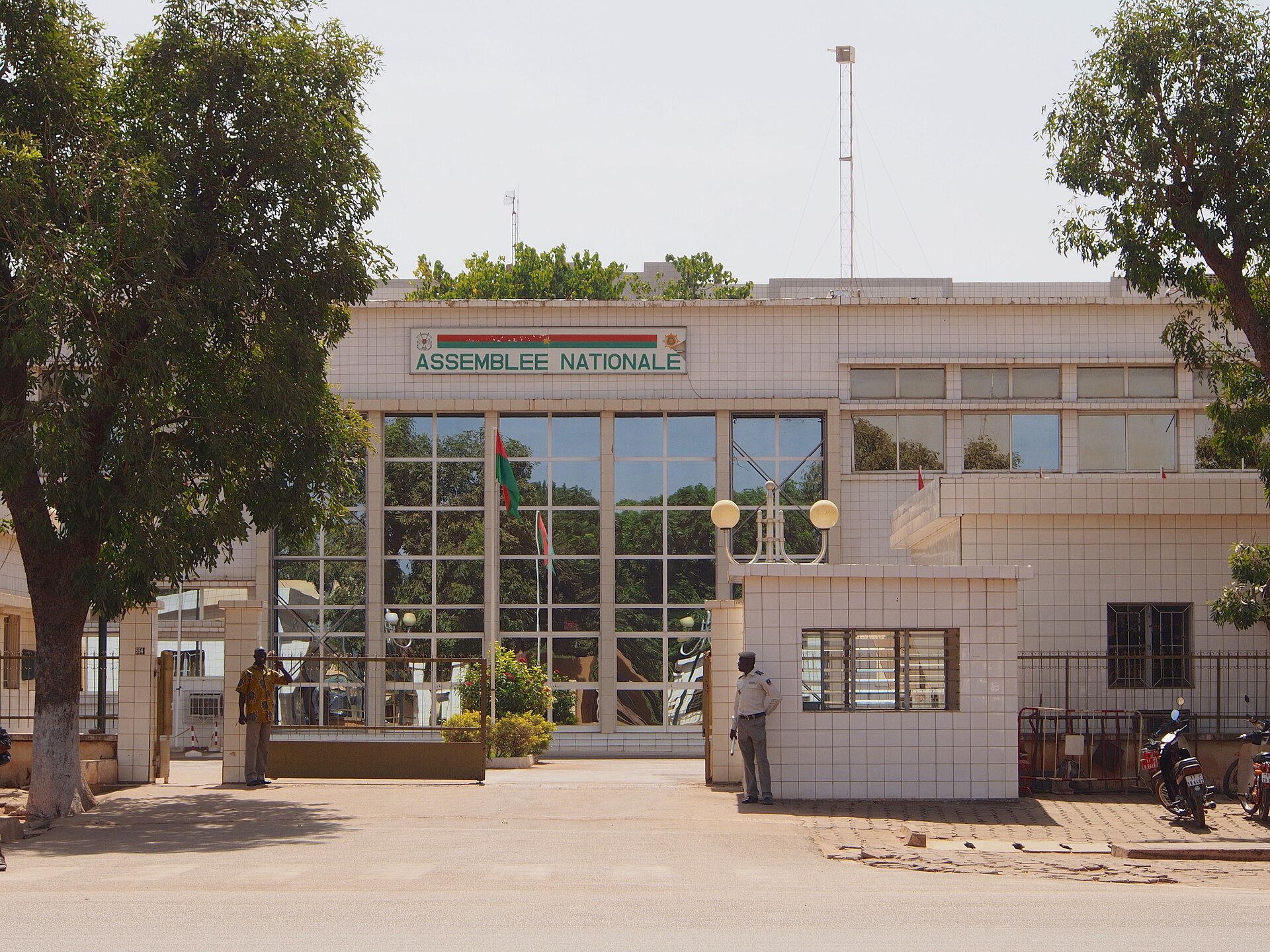
The Direction générale des douanes, Burkina Faso’s customs directorate, presented both seizures to journalists in Ouagadougou on Tuesday 27 October. Lefaso.net, a Burkinabè news site, said the goods came from two separate operations.
In the first, officers recovered 2,310 explosive sticks, the dynamite-type charges used in mines and quarries. In the second, they took 7,500 detonators, the small devices that set such charges off.
A Drinks Truck That Overturned
Customs said the sticks came to light after an accident involving a truck in transit, carrying drinks to Ouagadougou. The driver tried to hide the products before he was stopped and arrested.
The driver, named by Lefaso.net as Soukaïlou Ouédraogo, told officials a contact in Ghana had asked him to take a load to the border. He said he thought the cargo was cyanide, a chemical gold miners use, and panicked when the truck turned over and he saw dynamite.
Detonators Found in a Passenger Coach
The second operation began with a tail that led officers to a passenger coach carrying 75 boxes of 100 detonators each. Two people, Issa Sissao and a person named Sory, were arrested.
Sissao told officers that he moves such goods regularly and hides them bit by bit. He said the buyer was in Ghana and that the goods would be sold on in Côte d’Ivoire, a neighbouring country.
The Customs Chief Questions the Story
Dr Yves Kafando, the director general of customs, asked why a trader would ship goods from Ghana to Burkina Faso and then to Côte d’Ivoire. He said trade aims at profit, and that the route made little commercial sense.
Kafando also asked the truck driver why he passed the customs post without declaring the load. Sissao said the goods went to the orpailleurs, the small-scale gold miners, while the driver said he was told miners use such products.
A Warning to Smugglers
Kafando praised his officers for finding the goods in hiding places built into the vehicles. He warned that those who want to test the vigilance of customs agents will pay for it.
He said the legislature has recently hardened the rules to punish more severely those who endanger citizens’ lives. In his words, such products are very harmful to people, the environment and animals.
A Pattern of Explosives Cases
The haul follows other cases this year, and Burkina Faso seizes blasting material at the border and in cities alike. On 9 September 2026, the economy minister handed 2,013 explosive sticks and 3,284 electric detonators, seized in customs controls, to the defence minister, Koaci reported.
In January 2026, the customs service said it stopped 7,000 explosive sticks and 872 detonating cords at the Cinkansé border post, Sidwaya reported. Part of that seizure was handed to the armed forces.
What It Means for US Readers
Burkina Faso is one of Africa’s main gold producers, and mines there depend on legal supplies of blasting material. When Burkina Faso seizes explosive sticks, tighter customs checks on explosives can slow supply lines, so firms with mining contracts there may face more inspections.
The case also touches on security, since the country faces an armed insurgency and customs warns of misuse when Burkina Faso seizes such goods. Related Rio Times reports cover the country’s gold exports and an earlier seizure of 150,000 painkiller pills.
What Is Not Known
Customs has not said who owns the explosives and detonators, or who in Ghana arranged the shipments. It is also open where the goods were really heading.
The charges and possible penalties for the three suspects have not been announced. Nor has the directorate said what will happen to the seized material.
More: Africa news in English, every day from The Rio Times.
Frequently Asked Questions
What did Burkina Faso’s customs seize?
Burkina Faso seizes explosive sticks in two operations, 2,310 in all, plus 7,500 detonators. The goods were shown to the press in Ouagadougou on Tuesday 27 October 2026.
Who was arrested?
The truck driver, named as Soukaïlou Ouédraogo, was arrested after the drinks truck overturned. Two people, Issa Sissao and Sory, were arrested in the detonator case.
Where were the explosives said to be going?
The suspects linked the goods to Ghana and named gold miners as the users. The customs chief doubted this account, and no destination is confirmed.
Why does Burkina Faso watch explosives so closely?
Explosives and detonators are used in mining, but customs says they can become instruments of destruction in the wrong hands. The country also faces an armed insurgency.
What are detonators?
Detonators are small devices that set off an explosive charge such as a dynamite stick. They are used in mining and quarrying, and their movement is controlled.
Sources: Lefaso.net, Lutte contre la fraude : 2 310 bâtons d’explosifs et 7 500 détonateurs saisis, 27 October 2026; Sidwaya, Cinkansé : plus de 8 000 engins explosifs saisis par la douane, 11 January 2026; Koaci, Burkina Faso : saisie de plus de 2 000 bâtons d’explosifs et 23 tonnes de riz avarié, 9 September 2026.
This article was produced by The Rio Times’ automated newsroom system. How we use AI · Report an error · Editorial responsibility: Matthias Camenzind, Editor-in-Chief