Brazilian Agribusiness Eyes Angola’s Fields for Growth
Brazilian agribusiness leaders are looking to Angola for new opportunities, as reported by government and industry sources in May 2025. Angola wants to reduce its $3 billion annual food import bill and sees Brazil’s experience as a key asset.
The Angolan government has mapped out between 120,000 and 140,000 hectares of land in several provinces for foreign investment, with the goal of increasing domestic production of grains, fibers, and livestock.
Brazil exported $347 million in agricultural goods to Angola in 2024, mainly beef and sugar. Now, both countries are focused on direct investment and technology transfer.
A Brazilian delegation of about 30 business leaders, led by Agriculture Minister Carlos Fávaro, visited Angola in early May. They met with Angolan officials, surveyed farmland, and discussed legal and financial frameworks for investment.
Angola offers some clear advantages for Brazilian producers. Rural land costs less than R$1 per hectare, and the climate and soils resemble Brazil’s Cerrado region, which is well-suited for mechanized farming.
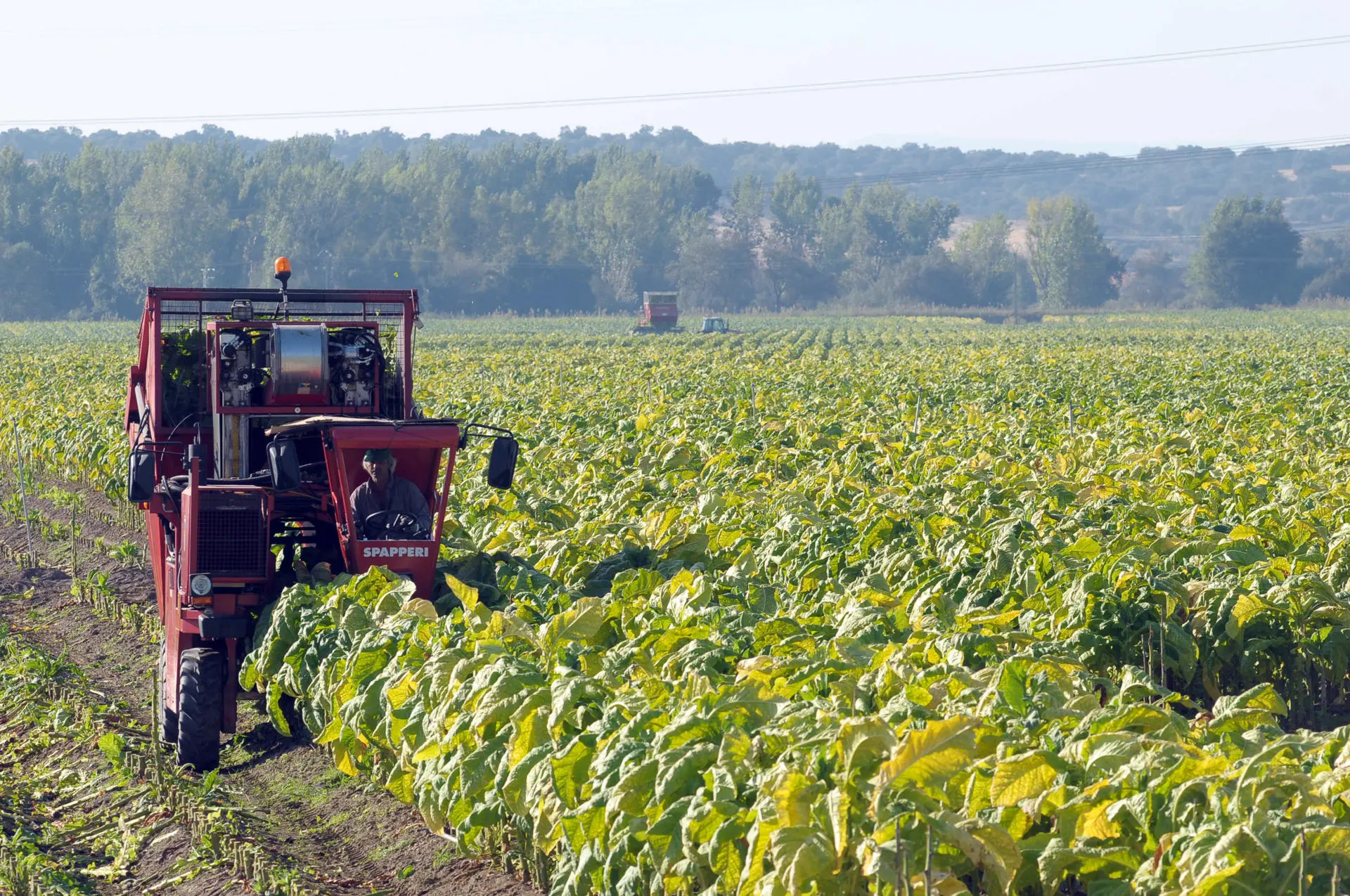
Angola has about 35 million hectares of arable land, but most of its food is still imported. The government wants to close the gap, especially for staples like rice, where domestic production covers only a fraction of national demand.
Brazilian Agribusiness Eyes Angola’s Farmland
Despite these opportunities, challenges remain. Acquiring land in Angola requires approval from multiple government levels, and outright purchase is not allowed. Investors can only obtain renewable contracts.
There are also few environmental regulations, and high inflation-near 30%-complicates financing. Brazil’s farmland cannot serve as collateral for loans in Angola, so new financial tools are under discussion.
Brazilian business leaders want a formal bilateral agreement to secure their investments. They propose a large-scale farming model, possibly covering up to 500,000 hectares, and call for legal guarantees and support from both governments.
They also seek permission to use genetically modified seeds, which are currently restricted in Angola. Brazilian agribusiness sees Angola as a new frontier, but only if legal and financial safeguards are in place.
Both countries expect to finalize a partnership roadmap during President João Lourenço’s visit to Brazil later this month. The outcome could reshape Angola’s food production and offer Brazilian companies a profitable way to expand abroad.
More: Angola news in English, every day from The Rio Times.
Live Company IntelligenceSLC Agrícola S.A — the full investor dossier
Valuation & profitability
Price & risk
$12.5852-wk high
$19.48
Revenue trend · 6y
Ownership
Dividend
This article was produced by The Rio Times’ automated newsroom system. How we use AI · Report an error · Editorial responsibility: Matthias Camenzind, Editor-in-Chief
Part of our ongoing coverage
Africa: The New Scramble — the great-power contest over the continent.