U.S. Cattle Import Ban Ignites $50 Billion Crisis in Mexican Livestock Sector
The U.S. halted live cattle imports from Mexico on May 11, 2025, after detecting New World Screwworm (NWS) outbreaks 700 miles south of the border, triggering immediate economic chaos.
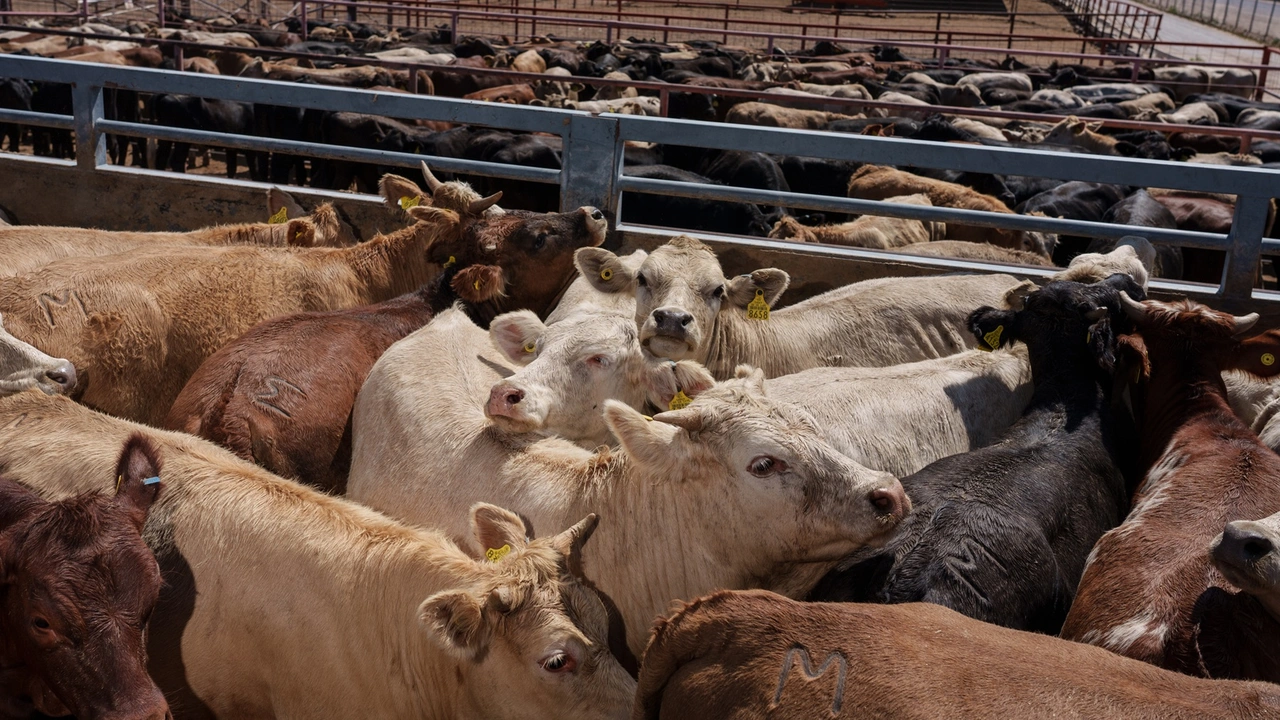
Over 100,000 cattle stranded at northern Mexican ports face escalating losses exceeding $50 billion, with daily revenue losses hitting $11.4 million, according to Mexico’s National Agricultural Council.
Chihuahua, responsible for 40% of Mexico’s exports, reports 80% of its cattle-typically bound for U.S. markets-now idled alongside paralyzed transport networks and veterinary services.
NWS, a parasitic fly eradicated in the U.S. since 1966, infests open wounds on livestock, causing fatal tissue damage. U.S. Agriculture Secretary Brooke Rollins cited the “unacceptable northward spread” despite sterile fly releases and joint surveillance.
She insisted that the suspension protects America’s $67 billion cattle industry. Mexico disputes the measure, arguing outbreaks originate near Guatemala-not export hubs-and condemns U.S. reluctance to accept Mexican-raised sterile flies for eradication.
President Claudia Sheinbaum called the 15-day ban “unjustified,” stressing existing protocols ensure screwworm-free exports. Drought-stricken northern Mexican ranchers, already battling water shortages and feed costs, face bankruptcy.
Chihuahua alone transported 5,000 cattle daily through Santa Teresa and Ojinaga pre-closure, with over 3,200 now stranded at these ports. U.S. cattle futures surged to record highs as the ban tightens supply, exacerbating existing shortages from years of herd reductions.
Mexico-U.S. Beef Trade Faces Biosecurity Crisis
The National Cattlemen’s Beef Association acknowledged short-term pain but prioritized preventing NWS resurgence on U.S. soil. The USDA plans to release 100 million sterile flies in southern Mexico to disrupt NWS reproduction, pending Mexican approval.
Meanwhile, exporters urge exploring Asian and Middle Eastern markets, though geopolitical barriers and South American competition complicate diversification.
Mexico’s agricultural leaders advocate for localized slaughterhouses and certified packing plants to reduce reliance on U.S.-bound live exports. This crisis underscores fragile cross-border trade dependencies and the high stakes of biosecurity failures.
More: Brazil news in English, every day from The Rio Times.
This article was produced by The Rio Times’ automated newsroom system. How we use AI · Report an error · Editorial responsibility: Matthias Camenzind, Editor-in-Chief