Published Tuesday, 27 October, 3:00 p.m. ET · Source: Serasa Experian, NOAA Climate Prediction Center
Key Facts
—The number. A strong El Niño could cut Brazil’s 2026/27 soybean crop to 163.6 million tons, down 9.7%.
—The gap. That is 17.6 million tons below the 181.2 million Serasa Experian sees in a neutral year.
—The money. Serasa puts the hit to crop value at R$33 billion (about US$6.2 billion).
—Still unknown. Whether rain turns dry in Mato Grosso during the crop’s growing months.
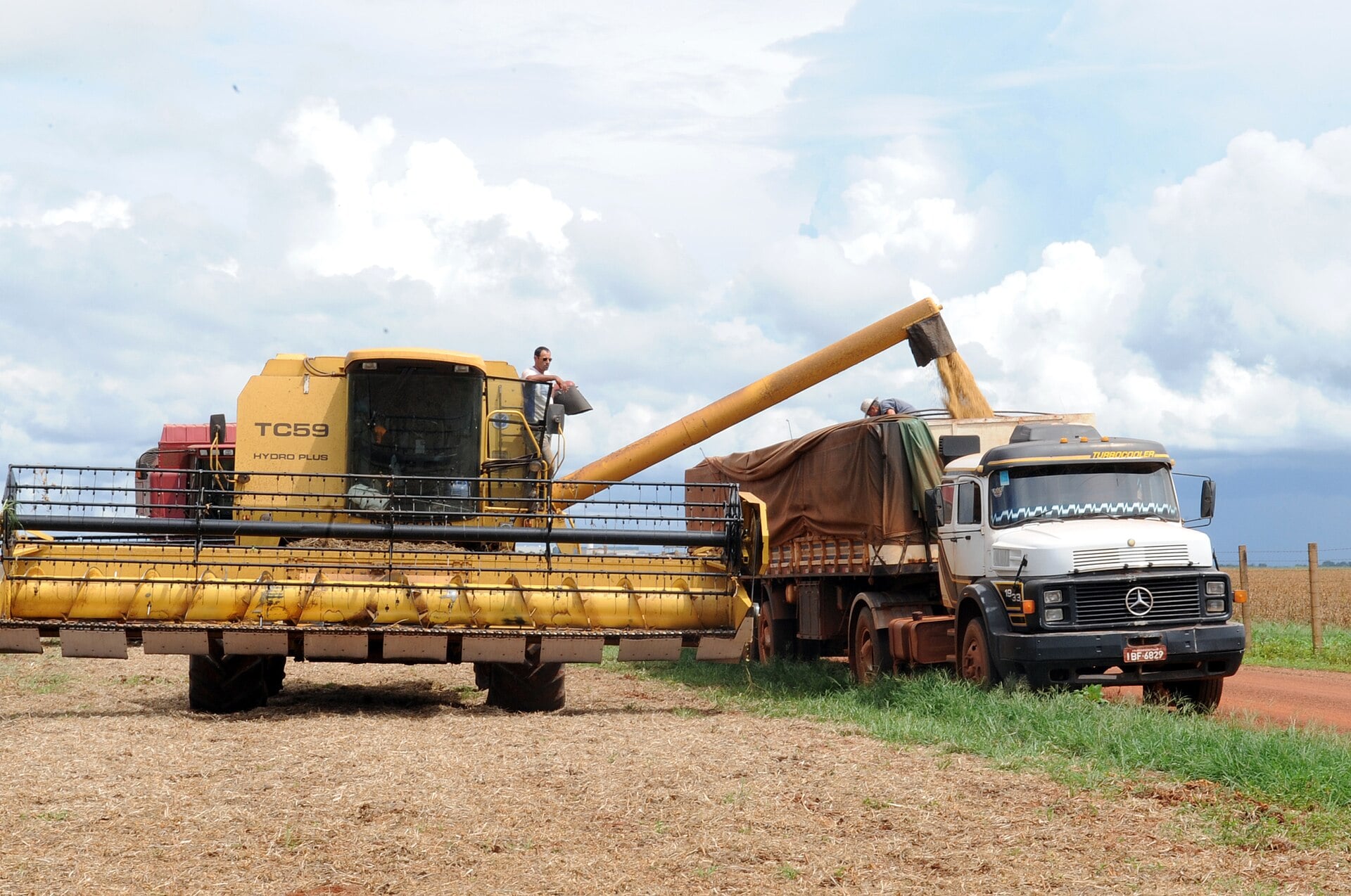
The world’s biggest soybean farmers are racing through planting in good weather, and now a forecast says the real test is still ahead. Serasa Experian, the credit-data and analytics company, warned on Tuesday that a strong El Niño could shrink Brazil’s 2026/27 crop by about a tenth.
El Niño is a periodic warming of the Pacific Ocean that disrupts weather worldwide.Its study sees 163.6 million tons in that scenario, against 181.2 million tons if the weather stays neutral.
Brazil is the largest soybean producer and exporter on Earth, so a miss that size matters to feed, food and fuel buyers in the United States and beyond, and it feeds into the wider Brazil economy.
What the Study Says
Serasa Experian built the forecast from more than 20 years of mapping of Brazil’s soybean areas, crop yields from Conab, the national supply agency, and the Oceanic Niño Index, the sea-temperature gauge the US government uses to track El Niño. It looked only at the first, main soybean crop.
The study assumes farmers plant 49.9 million hectares, about 1 million more than last season. Without El Niño losses, that area could deliver 181.2 million tons; with them, average yield would slip to 3,282 kilograms per hectare.
Why Mato Grosso Carries the Risk
The central farming belt, known as the Center-West, would take the biggest hit under the study’s scenario. Serasa estimates losses of 9.7 million tons in Mato Grosso, the state that grows the most soybeans in Brazil, and 4 million tons in Goiás, the neighbouring farm state.
Those states would suffer if rain turns patchy and heat builds during the growing months. Daniel de Oliveira, Serasa’s agribusiness geoprocessing manager, says the danger is moving from the planting stage to how the rain is spread across the season.
He recalls the 2023/24 season, when lower yields hurt producers, and says the risk has not gone away. Planting has gone well in many regions in recent weeks.
Why It Matters for US Readers
Soybeans are the backbone of Brazil’s farm exports, and the country ships more of them than anyone else. A smaller Brazilian harvest would tighten world supply next year, which US soybean farmers and feed buyers both watch closely.
Chicago soybean futures, the world price benchmark, hit a two-month low earlier this week. Serasa’s figure is a stress case that assumes a strong El Niño, not a prediction of the harvest.
Other forecasters are far more upbeat. AgResource, a commodity consultancy, projects a record 184.1 million tons, with a 4.9-million-ton El Niño discount already built in, as we reported in our look at the record-crop forecast.
The El Niño Backdrop
The phenomenon shifts rain and heat patterns around the world. The US Climate Prediction Center, part of the National Oceanic and Atmospheric Administration (NOAA), kept its El Niño Advisory in force in its 8 October update and said a strong to very strong event is likely to last through early 2027.
In Brazil the effects are uneven, with drier, hotter weather often hitting the north and centre and extra rain in the south. That pattern fits what planters in the south have already seen, where heavy rain has slowed fieldwork.
What Is Not Known
Serasa’s scenario is built on past El Niño years, so it cannot say where or when the rain will fail this season.Traders will get the next official read from the US Department of Agriculture’s WASDE report, its monthly world supply and demand estimate, due on Tuesday 10 November.
It will show whether Washington is trimming Brazil’s crop.
What It Means for You
Investors who follow Brazil’s farm exporters and the real should watch rainfall in Mato Grosso through January rather than the planting numbers. A shortfall would cut export earnings, while a normal season would keep the record-crop story intact.
For reference, R$33 billion is about US$6.2 billion at 5.34 reais per dollar, the market rate on Tuesday from data provider RT. Our dollar-to-real guide explains how that rate moves.
Sources
Serasa Experian, press room · NOAA Climate Prediction Center, ENSO discussion · USDA, WASDE report
This article was produced by The Rio Times’ automated newsroom system. How we use AI · Report an error · Editorial responsibility: Matthias Camenzind, Editor-in-Chief
LatAm Markets: Live Signals → — real-time movers, turnover leaders and FX across Latin America.
Brazil runoff, Sunday, October 25: When is the Brazil runoff election. Latest: Brazil runoff polls, Flávio 51%, Lula 49%.
Frequently Asked Questions
How much could El Niño cut Brazil’s soybean crop?
Serasa Experian sees a harvest of 163.6 million tons in a strong El Niño, about 10% below the 181.2 million tons of a neutral year.
Which states would lose the most soybeans?
Serasa estimates losses of 9.7 million tons in Mato Grosso and 4 million tons in Goiás. Both are in Brazil’s Center-West.