Brazil Sets US$193 Million Santos Container Terminal Auction
Trade · Brazil
Key Facts
—Concession fee R$1.044 billion (~US$193 million) set by Brazil’s Casa Civil for the Tecon Santos 10 terminal.
—Investment requirement Winning bidder must invest over R$6 billion (~US$1.11 billion) in the new facility.
—Capacity boost The project is expected to increase the Port of Santos’ container-handling capacity by roughly 50%.
—Auction model An open auction allows incumbents like MSC and Maersk to bid if they divest existing Santos stakes.
—Timeline The auction is scheduled for the first half of March, with terminal operations expected to begin in 2029.
Brazil is preparing a high-stakes concession auction for a new Santos container terminal with a fixed fee of R$1.044 billion (~US$193 million), a move designed to inject fresh capacity into Latin America’s largest and increasingly congested port.
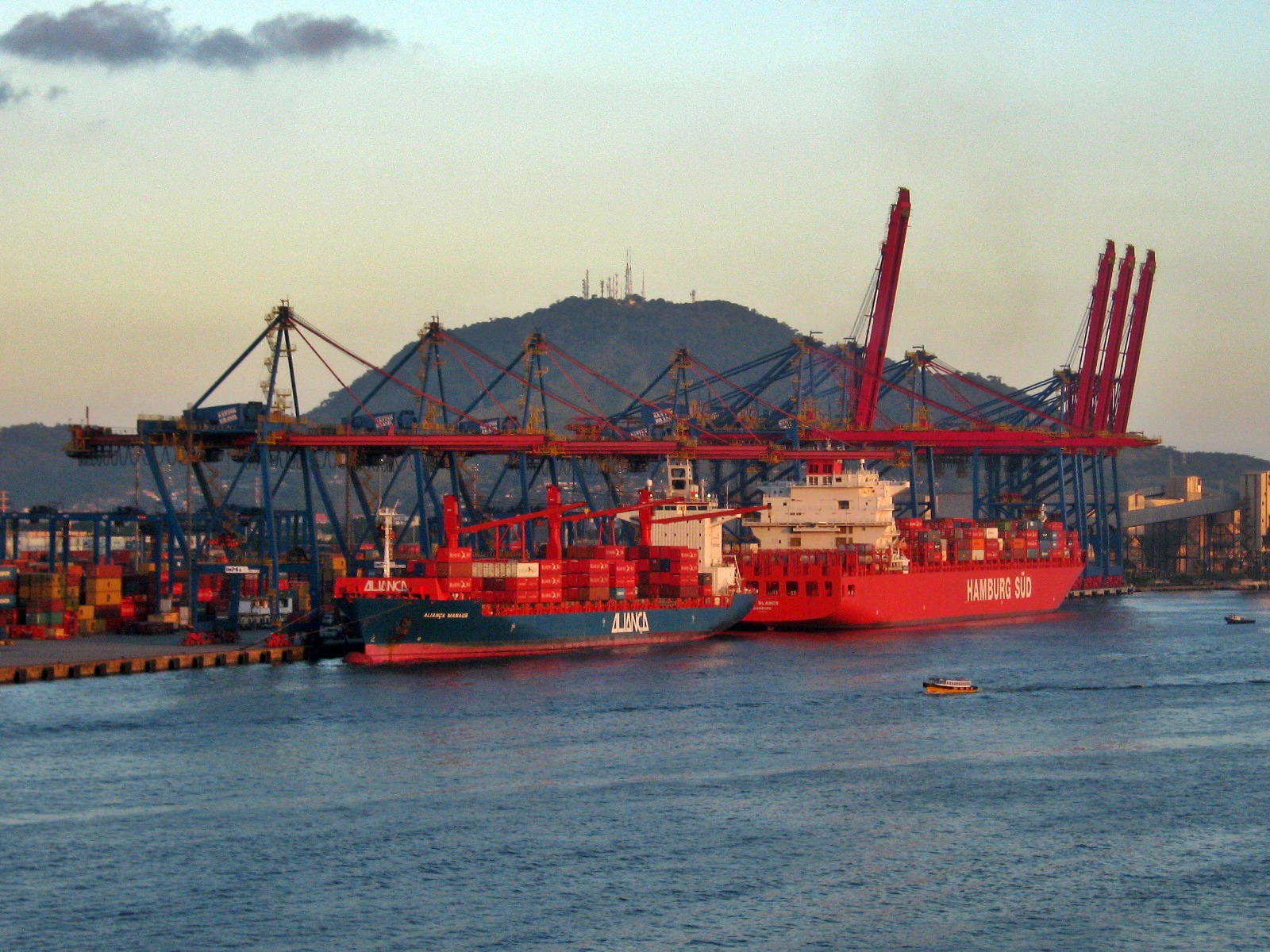
Inside the Santos Container Terminal Auction
The Casa Civil, Brazil’s presidential executive office, has directed an open auction model for the Tecon Santos 10 project. This structure does not automatically exclude shipowners and incumbent operators already active at the Port of Santos.
Switzerland-based Mediterranean Shipping Company (MSC) and Denmark’s A.P. Moller-Maersk, the world’s two largest container shipping lines, are permitted to compete. However, if either wins, it must sell its existing operational stakes in the port before signing the new concession contract.
The Ministry of Ports and Airports (MPor) and the national waterway transport agency ANTAQ will conduct the auction. The event is scheduled for the first half of March.
Investment and Capacity Expansion
The winning bidder will be required to invest more than R$6 billion (~US$1.11 billion) in the greenfield terminal. This capital injection is expected to boost the Port of Santos’ container-handling capacity by approximately 50%.
The Port of Santos, located in São Paulo state, is the busiest port in Latin America and a critical artery for Brazilian agribusiness and industrial trade. It is currently operating near saturation, making the capacity expansion vital for the country’s export logistics.
The new terminal, designated STS 10, is projected to begin operations in 2029. The timeline reflects the complex construction and dredging work required for a facility of this scale.
Controversy Over Competitive Fairness
The open-auction model has drawn objections from industry participants who argue it could reinforce market concentration. Critics contend that allowing dominant global incumbents to bid may discourage new entrants and limit competitive diversity.
The decision to permit existing players to participate, conditional on divestiture, is contested. The debate centers on whether the divestment requirement is sufficient to ensure a level playing field for independent terminal operators.
Brazilian port authorities have defended the model as a way to attract experienced global operators with the financial and technical capacity to execute a project of this magnitude. The government’s priority remains decongesting the port and modernizing infrastructure.
Strategic Importance for Foreign Investors
For international investors, the Tecon Santos 10 concession represents one of the largest port infrastructure opportunities in Latin America. The mandatory investment of over US$1.11 billion signals a long-term commitment to Brazilian trade flows.
The terminal will handle containerized cargo, the fastest-growing segment in global shipping. Brazil’s reliance on the Port of Santos for roughly one-third of its total trade volume highlights the asset’s strategic value.
Foreign exchange considerations are key. With the Brazilian real trading at approximately 5.4 per US dollar, the R$1.044 billion concession fee translates to a relatively modest upfront cost for well-capitalized global terminal operators.
Regulatory and Market Context
ANTAQ has been pushing a series of port privatizations and concessions to modernize Brazil’s logistics chain. The STS 10 auction is the flagship project in this infrastructure pipeline.
The terminal will be developed in the port’s left-bank area, a zone targeted for expansion. Its location is strategically positioned to handle the largest new-generation container vessels transiting the South Atlantic.
Brazil’s broader infrastructure agenda includes airport, highway, and sanitation concessions. The Santos container terminal auction is a bellwether for foreign investor appetite in the country’s state-led asset sales.
Next Steps and Timeline
The auction notice and full bidding terms are expected to be published by ANTAQ shortly. Prospective bidders will then have a window to form consortia and prepare technical and financial proposals.
If the auction proceeds smoothly in March, the concession contract could be signed by mid-2026. Construction would then ramp up to meet the 2029 operational target.
Market observers will closely watch whether MSC or Maersk submit bids, and if so, how they structure the divestment of their current Santos assets. Their participation would validate the terminal’s strategic premium.
Background: Brazil Tax Reform Timeline: Tech Sector Faces 2026 Invoice Shock.
Background: Foreign Investors No Longer Fear a Lula Win — They’re Watching the Fed Instead.
Background: Fintechs and Digital Banks in Brazil 2026: Market Guide.
Background: Brazil Inflation Rate 2026: IPCA, Selic and What’s Next.
Background: our bringing your pet to brazil the complete mapa guide for expats guide.
Background: our how to rent an apartment in brazil as a foreigner guide.
Background: Brent Crude Hits US$100 as Houthi Attacks Disrupt Red Sea.
More: Brazil news in English, every day from The Rio Times.
Frequently Asked Questions
What is the concession fee for the new Santos container terminal?
Brazil’s Casa Civil set the concession fee at R$1.044 billion, equivalent to approximately US$193 million at an exchange rate of 5.4 reais per US dollar.
Can MSC and Maersk bid for the Tecon Santos 10 terminal?
Yes, the open auction model allows MSC and Maersk to bid. However, if either company wins, it must sell its existing operational stakes in the Port of Santos before signing the new concession contract.
When will the new Santos container terminal begin operations?
The Tecon Santos 10 terminal is expected to begin operations in 2029. The auction is scheduled for the first half of March 2026.
Connected Coverage
CSN Bond Exchange Pushes Out US$1.3bn Debt as H1 Loss Widens
Brazil Rare Earths Draw Korea’s POSCO Into the Caldeira Project
Sources: Brazil's Casa Civil.
This article was drafted with automated assistance and reviewed before publication. How we use AI · Report an error
Read More from The Rio Times