25 House Democrats Press Rubio on Bolsonaro

BRAZIL · US POLITICS
Key Facts
- The country Brazil is South America’s largest economy, and its two-way goods and services trade with the United States reached an estimated US$135.7 billion in 2025.
- Why it matters A letter signed by 25 members of Congress asks whether the US government helped a defeated Brazilian presidential candidate leave his country despite a court order.
- Why now The letter is dated 29 October 2026 and was released on 30 October 2026, days before the US midterm elections on 3 November 2026.
- What happened Representatives Sydney Kamlager-Dove and Dina Titus led the group in sending Secretary of State Marco Rubio 15 written questions about Senator Flávio Bolsonaro’s travel and visa.
- What it means for you The answers may show how Washington applies visa and diplomatic rules to a foreign political figure, and they may shape US dealings with a US$135.7 billion trading partner.
- Still open No State Department reply is public yet, and the legal basis for Bolsonaro’s entry has not been explained.
- Power Index Brazil ranks 1st of 14 in The Rio Times Latin America Power Index, with 75.0 points (October 2026 edition).
In Plain English
The Supreme Federal Court, known as the STF, is Brazil’s highest court, and Justice Alexandre de Moraes is one of its judges. He ordered Flávio Bolsonaro to surrender his passports in an inquiry into suspected money laundering that Bolsonaro denies.
The State Department is the US foreign ministry, led by Secretary of State Marco Rubio, and it issues visas through its embassies. A letter of inquiry is a written request from lawmakers asking an agency to explain its actions.
Twenty-five Democratic members of Congress have asked Secretary of State Marco Rubio whether the State Department helped Brazilian Senator Flávio Bolsonaro leave Brazil and enter the United States despite a Brazilian Supreme Court order restricting his travel. The letter is dated Thursday 29 October 2026, and its 15 questions come with a request for written answers and a staff briefing by 13 November 2026.
The request matters to US readers because it turns a Brazilian political crisis into a question about American visa and diplomatic decisions, days before the US midterm elections on 3 November 2026. Brazil is also a major trading partner, with an estimated US$135.7 billion in two-way goods and services trade in 2025, according to the Office of the US Trade Representative.
What the Letter Asks
The lawmakers write that the central question is whether the State Department, the US Embassy in Brazil or any other US agency helped Bolsonaro travel to or enter the United States despite the reported Brazilian judicial restriction on his departure. They say the American people and Congress have a “legitimate oversight interest” in knowing whether US diplomatic and immigration resources were used to facilitate the trip.
The 15 questions ask when the department first learned of the passport order, whether any official saw the court decision before the departure, and who authorized the decision that a senior official reportedly described when saying visas would be issued. Others ask whether visas were approved, expedited or renewed during the election period, and what legal basis and visa categories were used.
The list also asks whether any US official helped with flights, travel documents, transport or airport access, and whether officials in Argentina or Ecuador coordinated his itinerary. It asks whether the department worked with Homeland Security, Customs and Border Protection and the Justice Department, and whether Brazilian authorities asked about his location.
The signers set 13 November 2026 as the deadline for written answers and ask the department to make officials available for a congressional staff briefing within that period. The document is a letter of inquiry rather than a subpoena, and it was released by Kamlager-Dove’s office on Friday 30 October 2026.
Who Signed and Why It Matters
Representative Sydney Kamlager-Dove of California, co-chair of the Congressional Brazil Caucus, and Representative Dina Titus of Nevada led the group, according to the release from Kamlager-Dove’s office. The other signers include Representatives Joaquin Castro, Greg Casar, Pramila Jayapal, Rashida Tlaib and James McGovern, as listed in the letter.
The same office released a separate letter on 7 October 2026, in which Kamlager-Dove and Gregory Meeks, the top Democrat on the House Foreign Affairs Committee, joined 10 other lawmakers in questioning the State Department’s decision to revoke the diplomatic visa of Brazil’s ambassador, Maria Luiza Ribeiro Viotti. That letter called the decision an unnecessary escalation and cited State Department meetings with former President Jair Bolsonaro and sanctions against Justice Moraes.
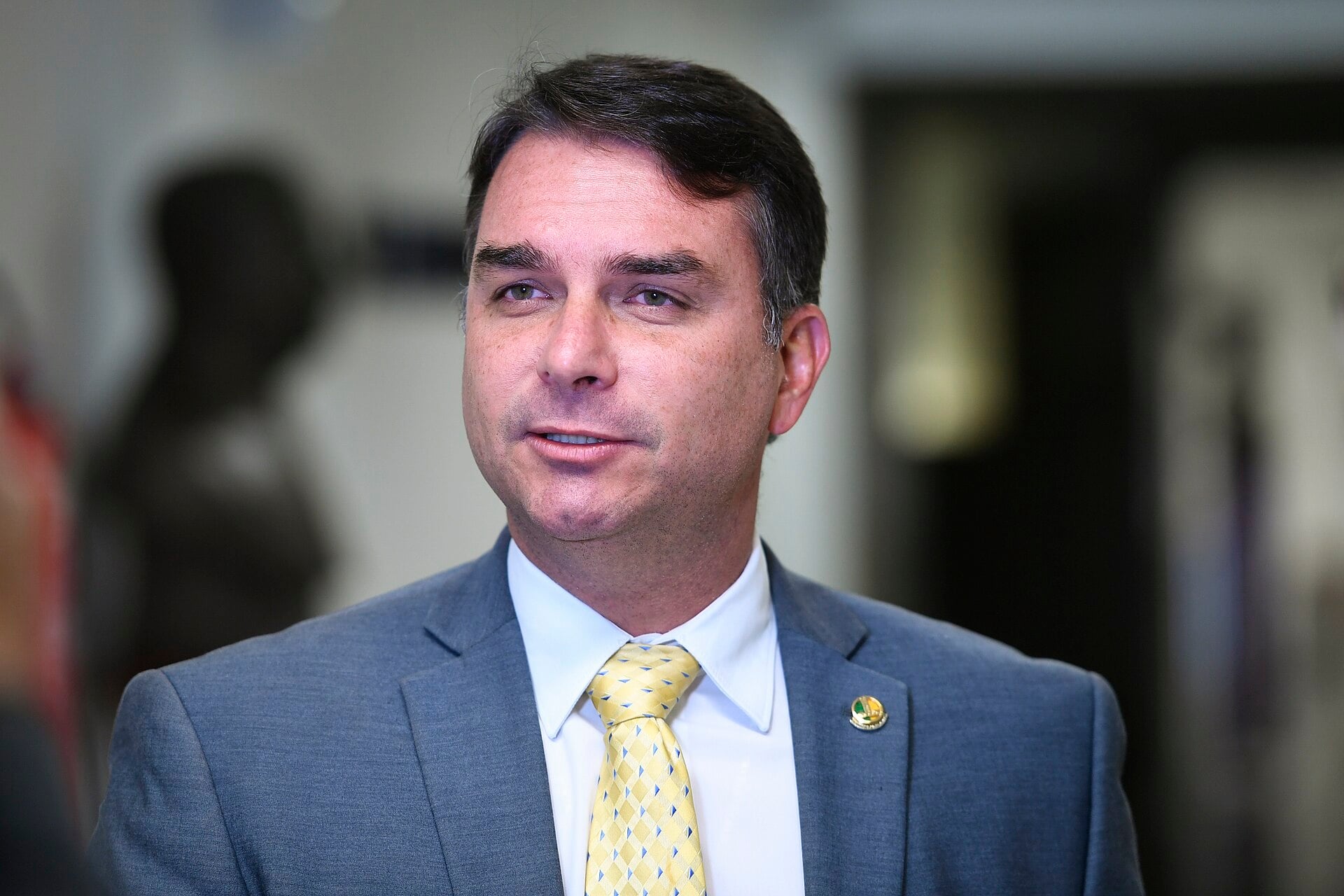
The Flight Behind the Questions
Bolsonaro lost the 25 October runoff to President Luiz Inácio Lula da Silva by more than 4.4 million votes, according to Agência Brasil, Brazil’s public news agency. Justice Moraes had ordered him to hand his passports to the Federal Police in an inquiry into suspected money laundering, which Bolsonaro and his friend, the lawyer Willer Tomaz, deny.
Bolsonaro missed the passport deadline, crossed from Brazil into Argentina, boarded a private aircraft that stopped in Ecuador and landed in Miami on Wednesday 28 October 2026 with his wife and two daughters, according to Agência Brasil. Earlier coverage traced his arrival in Miami and the charter owner’s account in the question of who paid for the jet.
Trump said on 28 October that the United States had given Bolsonaro an authorization to enter the country and added that he would not get involved, according to Agência Brasil, which describes it as a visa for Bolsonaro and his family. The agency adds that Trump again voiced doubts about Brazil’s election without evidence, while Bolsonaro’s own Liberal Party has publicly recognized Lula’s victory.
The Democratic side of the House Foreign Affairs Committee criticized the plan to grant visas in a post on X on 28 October, and Representative Joaquin Castro said the Trump administration owes Congress an explanation of its role in helping Bolsonaro leave Brazil, according to Agência Brasil. The new letter, which Castro signed, puts those demands in writing as the two governments plan a foreign ministers’ meeting before the G20 summit.
What It Means for You
For US readers the letter is a test of how consistently Washington applies visa and diplomatic rules when a foreign political figure arrives under a cloud at home. The midterm elections on 3 November 2026 decide which party holds the House majority for the next two years, according to USA.gov, and that majority chairs the committees that can pursue such questions.
For companies with exposure to Brazil’s economy and markets, the dispute adds a political layer to a large relationship, in which US goods exports to Brazil reached US$54.3 billion in 2025 and imports were US$39.9 billion. That left a US goods trade surplus of US$14.4 billion, according to the US Trade Representative, so a chill between the two governments touches a market where the United States sells more than it buys.
What Is Not Known
No State Department reply to the letter was public by 31 October 2026, and it is not known whether the department will answer by 13 November 2026 or brief congressional staff. It is also unclear whether Bolsonaro entered on a visa or under another status, since Trump spoke of an authorization and the letter asks for the legal basis.
Brazilian outlet G1 reported, citing a query of a US border-agency system, that Bolsonaro received permission to stay for one year, but no US government source has confirmed that detail. What happens to Bolsonaro in Brazil’s courts, and whether Brazil will seek his return, has not been announced.
Frequently Asked Questions
What did House Democrats ask Marco Rubio about Flávio Bolsonaro?
Twenty-five Democratic members of Congress asked whether the State Department or any other US agency helped Bolsonaro leave Brazil and enter the United States despite a court order. They posed 15 written questions and want answers by 13 November 2026.
How did Flávio Bolsonaro reach the United States?
He crossed from Brazil into Argentina, flew on a private aircraft with a stop in Ecuador and landed in Miami on 28 October 2026. A Brazilian Supreme Court justice had ordered him to surrender his passports.
Did Donald Trump confirm that Bolsonaro received a visa?
Trump said on 28 October 2026 that the United States gave Bolsonaro an authorization to enter, according to Agência Brasil, and that he would not get involved. Whether the document is a visa or another status has not been explained.
When are the US midterm elections in 2026?
The midterm elections are on Tuesday 3 November 2026, the Tuesday after the first Monday in November under federal law. Every House seat and one-third of Senate seats are on the ballot.
How big is US trade with Brazil?
The US Trade Representative estimates two-way goods and services trade at US$135.7 billion in 2025. US goods exports to Brazil were US$54.3 billion and imports were US$39.9 billion.
Sources: House letter to Secretary Rubio, 29 October 2026; Rep. Kamlager-Dove release, 30 October 2026; Rep. Kamlager-Dove release, 7 October 2026; Office of the US Trade Representative, Brazil page; USA.gov, midterm elections; US Code, Title 2, Section 7; Agência Brasil, 28 October 2026 (Democrats and visa); Agência Brasil, 28 October 2026 (Trump); Agência Brasil, 29 October 2026 (allies); G1, 30 October 2026.
This article was produced by The Rio Times’ automated newsroom system. How we use AI · Report an error · Editorial responsibility: Matthias Camenzind, Editor-in-Chief
In depth
Brazil runoff, Sunday, October 25: Brazil runoff date. Latest: Brazil runoff polls, Flávio 51%, Lula 49%.