
BRAZIL · BIG TECH RULES
Key Facts
- The country Brazil is a large market for US firms, with an estimated US$135.7 billion of two-way goods and services trade with the United States in 2025.
- Why it matters A bill that lets Brazil’s antitrust agency set special rules for the largest digital platforms could reach US firms such as Google, Meta, Microsoft and Amazon.
- Why now President Lula won the 25 October 2026 runoff, and the Chamber’s rapporteur takes the text to party leaders on 3 November 2026.
- What happened The Lula government and the rapporteur want both houses of Congress to pass the bill before the end of 2026, ahead of a new Congress with a larger conservative bench.
- The numbers In the government’s original text, groups with more than US$9.2 billion of annual global revenue, or more than US$0.9 billion in Brazil, can be designated for special rules.
- What it means for you US technology companies may face binding Brazilian rules on rival apps, data access and self-preferencing, which adds a digital front to US-Brazil trade ties.
- Still open The Chamber has set no floor date, the Senate has not taken up the bill, and the final text is not settled.
- Power Index Brazil ranks 1st of 14 in The Rio Times Latin America Power Index, with 75.0 points (October 2026 edition).
In Plain English
Cade, the Administrative Council for Economic Defense, is Brazil’s antitrust agency, and it reviews mergers and punishes anti-competitive conduct. The bill would give it a new Digital Markets Superintendence to oversee the largest online platforms.
A rapporteur is the lawmaker who writes the report on a bill and steers it through the Chamber of Deputies. Urgency status moves a bill toward a floor vote more quickly once party leaders agree to schedule it.
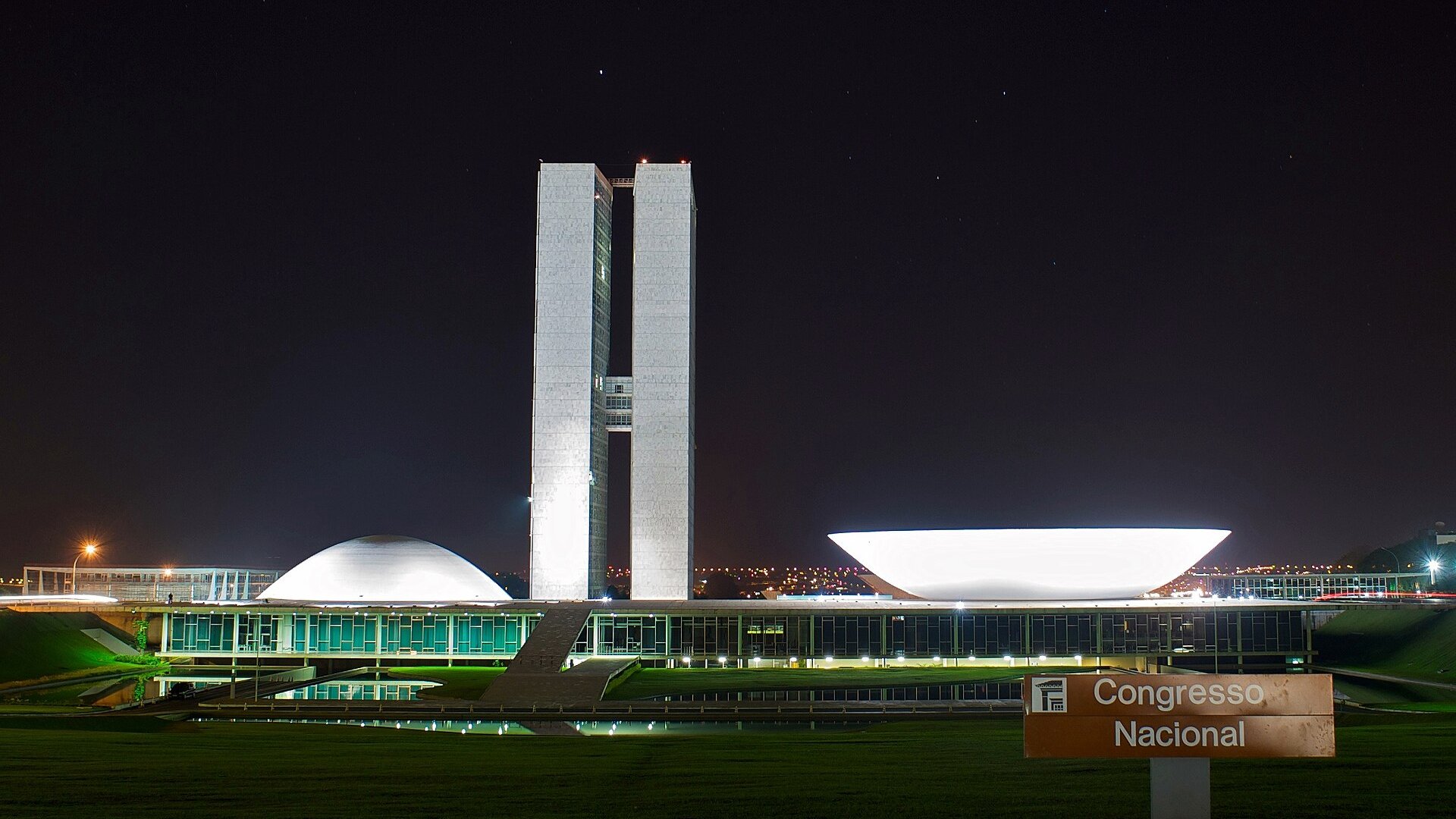
Brazil’s government and the rapporteur of its digital markets bill want Congress to pass the text by December 2026, a law that would let the antitrust agency Cade impose special competition rules on the largest online platforms, among them US giants such as Google, Meta, Microsoft and Amazon. Rapporteur Aliel Machado plans to take the proposal to party leaders in the Chamber of Deputies on Tuesday 3 November 2026, according to the Folha newspaper.
The timing matters to US readers because Washington has already targeted Brazil’s digital policies, with a US trade action published on 20 July 2026 under Section 301 that covers digital trade and electronic payment services. Folha reports that American diplomacy worked against the text, and that the Brazilian government itself slowed the bill for that reason.
What the Bill Would Do
The bill, numbered PL 4675/2025, was sent to the Chamber by the Executive on 18 September 2025 and amends the 2011 competition law, according to the Chamber of Deputies’ records. It creates a Digital Markets Superintendence inside Cade and a process for designating companies of systemic relevance in digital markets.
In the Executive’s original text of 18 September 2025, only groups with annual gross revenue above R$50 billion (US$9.2 billion) worldwide or above R$5 billion (US$0.9 billion) in Brazil can be designated, based on their latest financial statements. The finance and justice ministers can adjust those thresholds jointly, and the conversions here use the central bank PTAX rate of 5.4212 reais per US dollar for Friday 30 October 2026.
Once designated, a company can be ordered to publish its ranking criteria and fees, to submit its mergers to Cade review regardless of normal size tests, and to give business users access to their performance data. The text also lets Cade bar practices such as favoring a company’s own products, tying one service to another and blocking sellers from reaching customers through other channels.
Cade could also require interoperability with third-party services and let users install and use third-party applications, and a designated company without an office in Brazil would face a daily fine of R$20,000 (US$3,689). That fine can be raised up to 50 times if needed to make it effective, according to the bill text.
Where the Bill Stands
The Chamber approved urgency for the bill on 18 March 2026, and Aliel Machado of the PV party in Paraná state has been its rapporteur since 7 October 2025, according to the Chamber’s records. He filed a preliminary plenary report on 8 July 2026, and the bill’s status in the Chamber’s system is ready for the floor agenda.
Folha reports that the government and lawmakers see a favorable window now that will narrow next year, when a new Congress takes office with a larger conservative bench. Machado told the paper that the vote must happen in both the Chamber and the Senate by the end of the year.
Chamber of Deputies President Hugo Motta told Folha that he wants to vote on the bill but without haste, because leaders must first negotiate a text that can pass. The paper adds that Machado’s report narrowed the companies that Cade could target after objections from business groups outside the technology sector, although those companies judged the change insufficient.
The Election and the US Angle
President Luiz Inácio Lula da Silva said in his victory speech on Sunday 25 October 2026 that Brazil had to overcome interference from outside through digital platforms, according to Folha, and he promised to regulate big tech. Folha says officials expect that signal to give the bill traction, and it notes that investigations into possible interference in the election added momentum.
Folha lists Google, Meta, Microsoft, Uber, iFood, 99 and Amazon among the companies the text is aimed at, and it says the bill covers market concentration only and not content. That places four of the largest American technology groups inside a Brazilian competition debate in which, according to Folha, American diplomats have worked against the text.
What It Means for You
For US technology companies, the bill signals that Brazil may impose binding rules on rival apps, data access and self-preferencing, in a model Folha compares to the European Union’s. Investors and executives should watch the leaders’ meeting on 3 November 2026 and any floor date, because the bill already carries urgency status.
For US trade policy, the proposal adds a digital front to a relationship worth an estimated US$135.7 billion in goods and services trade in 2025, according to the Office of the US Trade Representative. Brazil’s July response to the planned 25% American tariff is covered in earlier coverage, and the Brazil section tracks the file.
What Is Not Known
It is not known whether the Chamber will schedule a floor vote before December, since Motta has said he will not rush and the party leaders have yet to meet on the text. The Senate has not taken up the bill, and a new Congress with a larger conservative bench would take office next year.
It is also unclear how the Lula government would answer any new US pressure, and Folha reports that the Finance Ministry and the rapporteur had not spoken since the election. The list of companies that Cade would designate is not fixed, because the bill sets revenue thresholds rather than naming firms.
Frequently Asked Questions
What is Brazil’s digital markets bill?
PL 4675/2025 would let Brazil’s antitrust agency Cade designate very large digital platforms and impose special competition obligations on them. The Lula government sent it to the Chamber of Deputies on 18 September 2025.
Which US companies could be affected?
Folha lists Google, Meta, Microsoft and Amazon among the companies the text targets, along with Uber, iFood and 99. The bill itself uses revenue thresholds and does not name companies.
When could Brazil vote on the big tech bill?
Machado and the government want both houses to vote by the end of 2026, and he plans to meet party leaders on Tuesday 3 November 2026. Chamber President Hugo Motta says he will not rush.
How large must a company be to face the rules?
Under the government’s original text, a group needs annual gross revenue above R$50 billion (US$9.2 billion) worldwide or above R$5 billion (US$0.9 billion) in Brazil. The finance and justice ministers can adjust those thresholds.
Does the bill regulate online content?
No, Folha reports that the text deals only with market concentration and competition, not content. It gives Cade powers to regulate and oversee large technology companies in a model similar to the European Union’s.
Sources: Chamber of Deputies, PL 4675/2025 record and tramitacao, accessed 31 October 2026; Chamber of Deputies, PL 4675/2025 full text, 18 September 2025; Banco Central do Brasil, PTAX for 30 October 2026; Federal Register, Section 301 action on Brazil, 20 July 2026; Office of the US Trade Representative, Brazil page; Folha de S.Paulo, 30 October 2026.
This article was drafted with automated assistance and reviewed before publication. How we use AI · Report an error · Editorial responsibility: Matthias Camenzind, Editor-in-Chief
Brazil runoff, Sunday, October 25: When is the Brazil runoff election. Latest: Brazil runoff polls, Flávio 51%, Lula 49%.