Brazil Rare Earths Draw Korea’s POSCO Into the Caldeira Project
Companies · Brazil
Key Facts
—The Deal POSCO signed a strategic offtake agreement with Meteoric Resources for the Caldeira rare earths project in Minas Gerais.
—Volume The South Korean group aims to secure up to 30% of Caldeira’s future production for a period of up to seven years.
—Strategic Mineral The project targets rare earths like neodymium, essential for manufacturing permanent magnets used in EV motors and wind turbines.
—Domestic Offtake Brazilian electric motor manufacturer WEG is identified as a natural downstream customer to replace its current 100% magnet imports from China.
—Geopolitical Context The agreement signals growing Asian investment in Brazil’s strategy to build a domestic critical-minerals supply chain outside Chinese dominance.
South Korea’s POSCO is moving into Brazil rare earths, signing a strategic offtake agreement with Australia’s Meteoric Resources to secure supply from the Caldeira project in Minas Gerais. The deal positions the Asian steel giant to lock in up to 30% of the project’s future output for as long as seven years, marking a significant step in the global race to diversify critical mineral supply chains away from China.
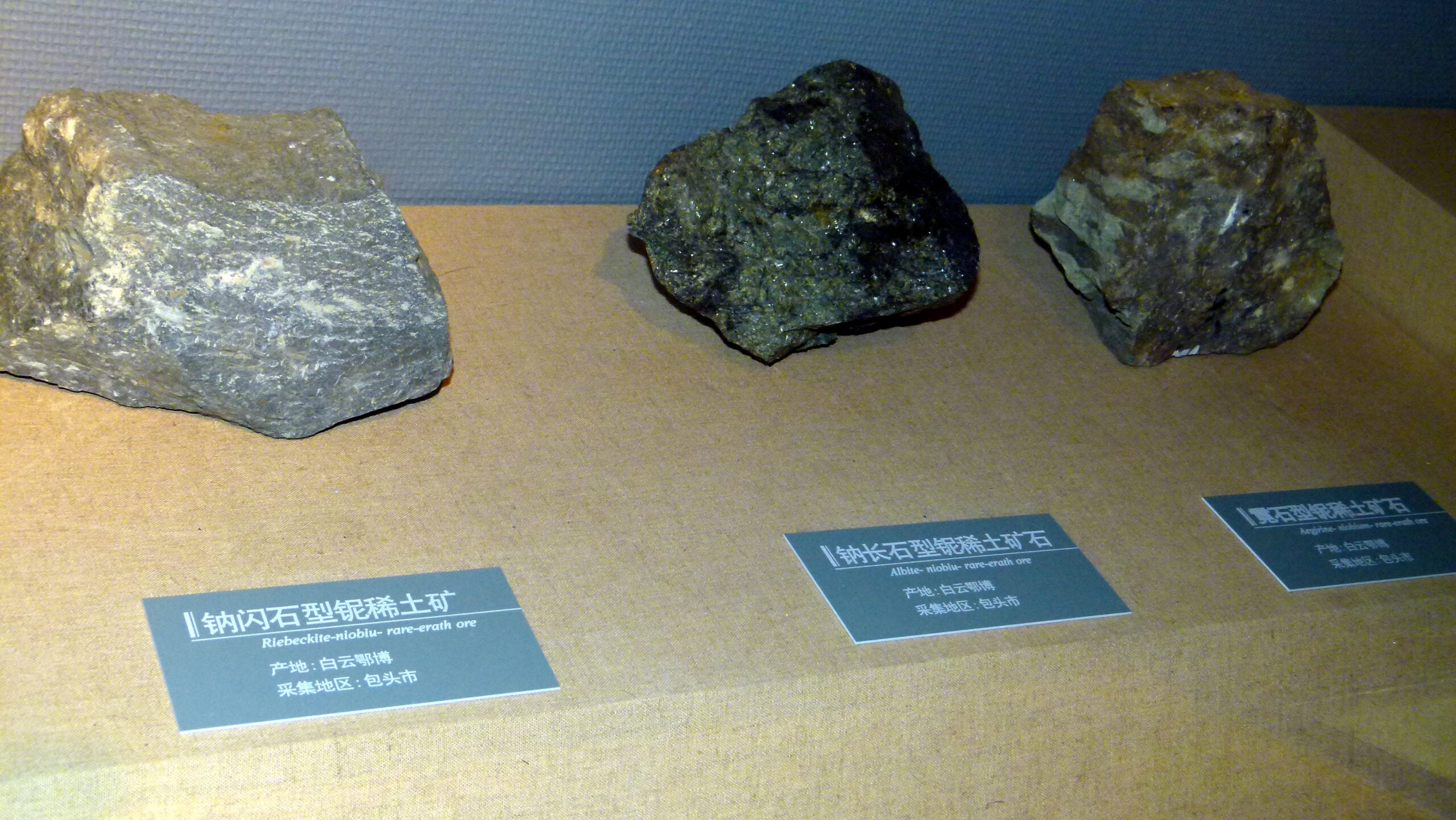
The Offtake Structure and Strategic Rationale
The agreement, confirmed in July 2026, is a strategic partnership rather than a direct acquisition of the mining asset. POSCO, officially known as Pohang Iron and Steel Company, is one of the world’s largest steel producers and is aggressively expanding its battery materials and critical minerals portfolio.
Meteoric Resources, an Australian-listed exploration company, controls the Caldeira ionic clay rare earths project in Poços de Caldas, a mining hub in the state of Minas Gerais. The offtake agreement gives POSCO guaranteed access to raw materials needed for its downstream processing ambitions.
The volume commitment targets up to 30% of Caldeira’s production. This structure provides Meteoric with a creditworthy anchor customer to support project financing, while POSCO secures a non-Chinese supply source for rare earth elements (REEs).
No specific dollar value for the offtake contract was disclosed. However, the long-term nature of the agreement signals strong confidence in the project’s geological potential and Brazil’s regulatory environment.
Brazil Rare Earths: The Caldeira Project Profile
The Caldeira project is located in the alkaline complex of Poços de Caldas, a region known for its significant mineral potential. The project focuses on ionic adsorption clay deposits, which are typically cheaper and faster to process than hard-rock rare earth sources.
Meteoric Resources has been advancing metallurgical testing and pilot plant work to produce a mixed rare earth carbonate. The primary economic driver is neodymium, a light rare earth element critical for producing NdFeB permanent magnets.
These magnets are essential components in the traction motors of electric vehicles and direct-drive wind turbines. Global demand for neodymium is projected to outstrip supply within the decade, intensifying the search for viable projects outside China.
Brazil holds the world’s third-largest rare earth reserves but currently has no significant commercial production. The government views the sector as a strategic priority for reindustrialization, offering a path to add value to raw minerals domestically rather than simply exporting ore.

WEG: The Domestic Anchor for a Magnet Supply Chain
A key factor making the Caldeira project attractive is the potential domestic offtake from WEG, Latin America’s largest manufacturer of electric motors and industrial drives. Headquartered in Jaraguá do Sul, Santa Catarina, WEG is a global industrial powerhouse with a market capitalization exceeding R$ 200 billion (~US$ 37 billion).
WEG currently imports 100% of the rare earth permanent magnets used in its high-efficiency motors from China. The company is a natural anchor customer for a Brazilian magnet supply chain, as it seeks to secure supply, reduce logistics costs, and lower its carbon footprint.
A domestic supply chain linking Caldeira’s raw materials to WEG’s motor factories would represent a major shift in Latin America’s industrial landscape. It would create a vertically integrated hub from mining to advanced manufacturing entirely within Brazil.
While WEG has not publicly confirmed a direct offtake agreement with Meteoric or POSCO, industry analysts view the company as the logical downstream partner. The Brazilian government is actively courting such linkages to attract foreign investment into mineral processing facilities.
Geopolitical Context and Asian Capital Flows
The POSCO-Meteoric agreement is a direct response to the global supply chain vulnerability exposed by China’s dominance over rare earth processing. China currently controls approximately 90% of global permanent magnet manufacturing capacity.
Western and Asian allied nations are actively incentivizing the development of alternative supply chains. The United States, European Union, Japan, and South Korea have all introduced policies to subsidize domestic processing or secure offtake from friendly nations like Brazil.
For POSCO, the move aligns with its corporate strategy to become a top-tier materials company beyond steel. The group has invested heavily in lithium, nickel, and now rare earths, positioning itself as a comprehensive supplier to the electric vehicle battery and motor ecosystem.
The investment signals that Asian capital views Brazil not just as an iron ore exporter, but as a future hub for critical minerals processing. The Minas Gerais state government has been proactive in streamlining licensing for strategic mineral projects to attract such foreign direct investment.
Investment Implications and Project Timeline
For international investors, the deal reduces the risk profile of the Caldeira project. An offtake agreement with a conglomerate of POSCO’s stature validates the project’s technical viability and provides a clearer path to construction financing.
Meteoric Resources must still complete a definitive feasibility study and secure environmental licenses for commercial-scale mining. The company has been operating a pilot plant to produce samples for potential offtakers, a critical step in qualifying its product for magnet manufacturing.
The timeline to first production remains dependent on financing and permitting. However, the strategic partnership with POSCO may accelerate discussions with Brazilian development banks and export credit agencies keen to support the critical minerals sector.
Investors should monitor any formal announcement linking WEG directly to the Caldeira project. A tripartite structure involving Meteoric, POSCO, and WEG would represent a complete value chain from mine to motor, significantly de-risking the project’s economics.
Risks and Market Considerations
Rare earth projects face significant technical risk in scaling up processing. While ionic clay deposits are simpler to process than hard rock, producing a specification-grade product suitable for magnet manufacturing requires precise metallurgical control.
Pricing volatility remains a concern. Rare earth prices are notoriously opaque and subject to sudden swings based on Chinese export policies. Investors must model conservative price decks when evaluating the project’s long-term revenue potential.
Infrastructure in the Poços de Caldas region is adequate but will require upgrades for large-scale chemical processing. The project’s economics will depend partly on the availability of competitive reagents and energy, areas where Brazil holds a comparative advantage.
Currency risk is another factor for foreign investors. While operational costs will be in Brazilian Reais, rare earth products are typically priced in US dollars, creating a natural hedge. The current exchange rate of R$ 5.4 to the US dollar favors Brazilian-based exporters.
Background: our bringing your pet to brazil the complete mapa guide for expats guide.
Background: our how to rent an apartment in brazil as a foreigner guide.
More: Brazil news in English, every day from The Rio Times.
Frequently Asked Questions
What exactly did POSCO agree to with Meteoric Resources?
POSCO signed a strategic offtake agreement, not a mine purchase. It secures the right to buy up to 30% of the Caldeira project’s future rare earth production for up to seven years.
Why is the Caldeira project important for Brazil?
Brazil holds the world’s third-largest rare earth reserves but produces almost nothing. Caldeira could kickstart a domestic supply chain, feeding companies like WEG that currently import all their magnets from China.
What are the main risks for investors watching this deal?
Key risks include technical challenges in scaling up processing, volatile rare earth prices controlled by Chinese policy, and the project’s need to secure full environmental licenses and construction financing.
Connected Coverage
Cyanide on Tomato Farms Killed 15 Elephants at Amboseli
Brazil Sets US$193 Million Santos Container Terminal Auction
Sources: POSCO; Meteoric Resources; WEG.
This article was produced by The Rio Times’ automated newsroom system. How we use AI · Report an error
Read More from The Rio Times