
BRAZIL · SECURITY
Key Facts
- What happened On 4 November the Senate chose to wait for the lower house on the age cut.
- Where it stands The security amendment passed on 3 November without the age cut, so the age stays at 18.
- The clock A Chamber committee report is due at the end of November; senators want a 1 December deadline.
- The proposals Three amendments would lower the age to 16, or to 14 for the gravest crimes.
- Who decides Both houses must approve any change by three-fifths in two rounds.
- Power Index Brazil ranks 1st of 14 in The Rio Times Latin America Power Index, with 74.2 points (November 2026 edition).
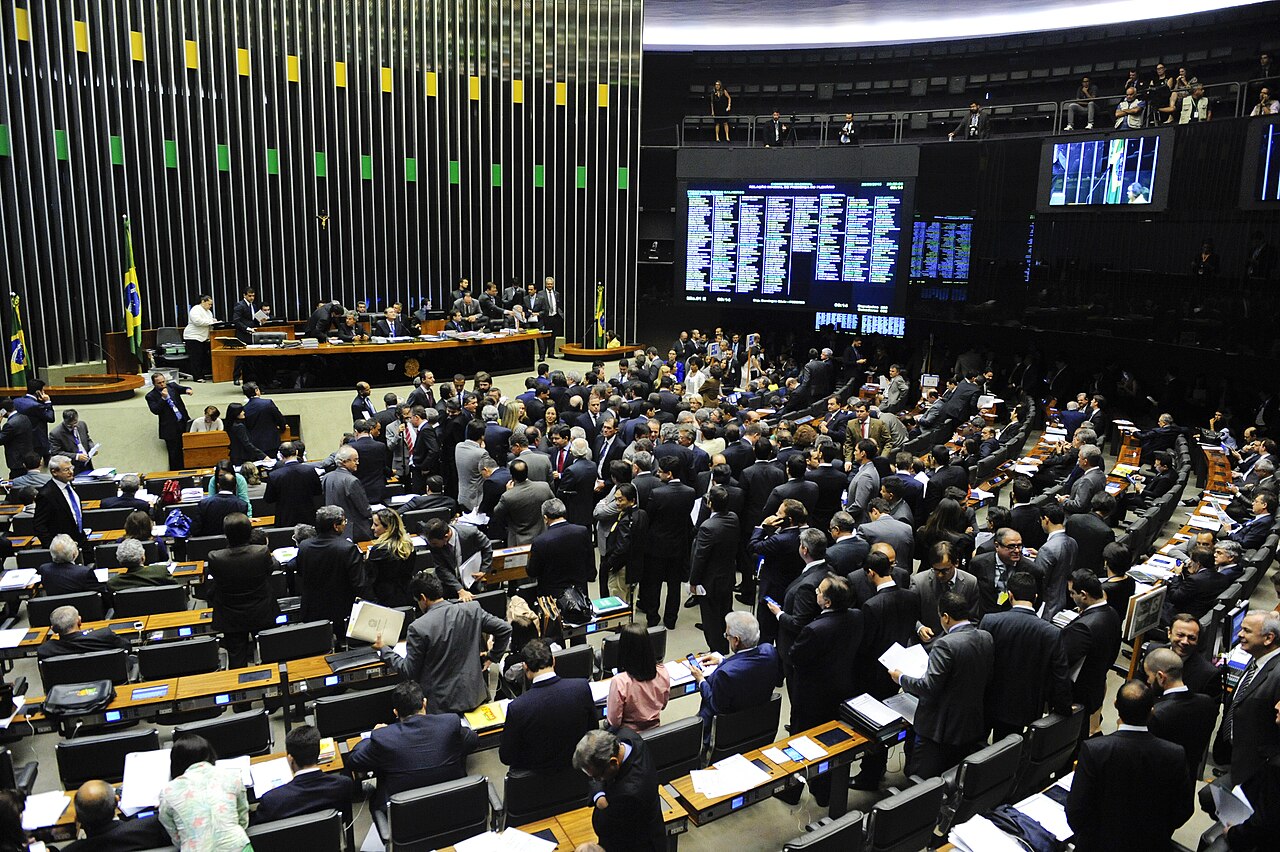
Brazil’s Senate will not vote on a criminal age cut for now and will let the Chamber of Deputies, the lower house, move first. Senate president Davi Alcolumbre announced the decision on Wednesday 4 November 2026.
The choice leaves the age at which Brazilians face adult trials at 18, one day after senators passed the government’s public security amendment. For US readers, it shows how the fight over youth crime is shaping Brazil’s security politics after the election.
What the Senate Decided on 4 November
Some senators wanted a fast-track calendar that would skip the usual waiting periods and bring the age proposals straight to the floor. Alcolumbre declined and said he would follow a request from Hugo Motta, the Chamber of Deputies president.
Alcolumbre said he would wait for the Chamber to act first. Reports say its rapporteur aims to vote the committee report by the end of November, with a floor vote expected in early December.
The Chamber has studied the issue in a special committee since August 2026.
Why the Criminal Age Cut Is Stuck
On Tuesday 3 November the Senate passed the security amendment, known as PEC 18/2025, by 73 votes to 0 and then 75 to 0. Senators had first voted 38 to 36 to split the age proposals off from that text.
The split kept the amendment moving toward promulgation, the formal step that makes it part of the Constitution. Any change to the text would have sent it back to the Chamber and delayed it.
Three proposals are now open. One from opposition leader Rogério Marinho would set the age at 16, and at 14 for heinous crimes, torture, drug trafficking, terrorism and gang membership.
Another, from Camilo Santana, the Workers’ Party leader in the Senate, would lower it to 16 only for heinous crimes. A third, already in the Chamber, would set adult responsibility at 16 across the board.
The Deadline Senators Are Pushing
Senator Eduardo Braga of the MDB party, who had asked for the fast track, accepted Alcolumbre’s choice but asked for a deadline of 1 December. Braga asked Alcolumbre to put the fast-track request, already signed by more than 50 senators, to a vote on that date if the Chamber has not voted by then.
Carlos Portinho, leader of the conservative Liberal Party in the Senate, accused Alcolumbre of breaking a commitment made after the split. He argued that the Chamber should not dictate the Senate’s timetable.
What the Chamber Is Doing
The Chamber’s special committee is studying PEC 32/2015, which would cut the age to 16. On Wednesday it approved 12 requests for public hearings, to be held before the report is written.
The rapporteur, Deputy Mendonça Filho of the Liberal Party, says he will present his report at the end of the month. He says the change would meet what Brazilians expect.
Deputy Guilherme Derrite has proposed a lower age of 14 for heinous crimes. The committee president, Aluisio Mendes, rejected a request to send the question to a public plebiscite.
A Different Route Senators Are Weighing
Senator Alessandro Vieira of the MDB party argued for a bill that would not touch the age at all. It would lengthen how long teenagers can be held in detention, possibly doubling the limit for the most serious cases.
He warned that a constitutional amendment faces legal challenges and might never produce a result. Some lawyers argue that the age of criminal responsibility is a protected clause of the Constitution.
In Plain English, Who Is Who
Davi Alcolumbre is the Senate president and also heads the joint Congress, so he controls which votes reach the floor. Hugo Motta runs the Chamber of Deputies in the same way.
A PEC is a proposed constitutional amendment, and it needs three-fifths of each house in two rounds. In the Chamber that means 308 of 513 deputies, and in the Senate 49 of 81.
What It Means for You
Nothing changes for visitors or investors today, because the age of criminal responsibility stays at 18. The security amendment itself will reshape how federal, state and city police cooperate once it is promulgated.
For US readers, the debate matters because it tests how far President Lula’s government and the conservative opposition will go on crime. Brazil’s gang policy draws close attention abroad, and Lula has said he backs a cut to 16 for the worst crimes.
What Is Not Known
The date of promulgation has not been announced, and neither has a floor date for the Chamber vote. The committee report is due at the end of November, which leaves little room before the 1 December mark.
It is not known whether the Chamber has enough votes for a cut to 16, or whether the Senate would accept the text. Nobody has said how the Senate would treat a Chamber text that differs from its own proposals.
More: Latin America news in English, every day from The Rio Times.
Frequently Asked Questions
Did Brazil lower the age of criminal responsibility?
No, the age stays at 18 for now. On 3 November senators approved the security amendment 75 to 0, with no age change in the text.
Why is the Senate waiting for the Chamber of Deputies?
Senate president Davi Alcolumbre deferred to a request from the Chamber’s president, Hugo Motta. The Chamber has a special committee on the issue; its committee vote is expected by the end of November.
What happens if the Chamber does not act by 1 December?
Senator Eduardo Braga asked that the fast-track request, signed by more than 50 senators, then be put to a vote. That deadline is a request, not a rule yet.
How many votes does a constitutional amendment need in Brazil?
Three-fifths of each house, in two rounds of voting. That is 49 of 81 senators and 308 of 513 deputies.
Sources: Federal Senate, plenary record and official note on the 3 November vote on PEC 18/2025, 3 Nov 2026; Federal Senate, official note on the Senate decision to await the Chamber, 4 Nov 2026; Chamber of Deputies, special committee on PEC 32/2015, 4 Nov 2026; Ministry of Justice and Public Security, note on the Senate vote, 3 Nov 2026.
This article was produced by The Rio Times’ automated newsroom system. How we use AI · Report an error · Editorial responsibility: Matthias Camenzind, Editor-in-Chief
In depth
Brazil runoff, Sunday, October 25: Brazil runoff date. Latest: Brazil runoff polls, Flávio 51%, Lula 49%.