
BRAZIL · RARE EARTHS
Key Facts
- What: Viridis, an Australian-listed miner, signed a binding rare earth supply deal with chemicals group Solvay.
- When: Announced Wednesday 4 November 2026; first deliveries are planned once production starts in 2028.
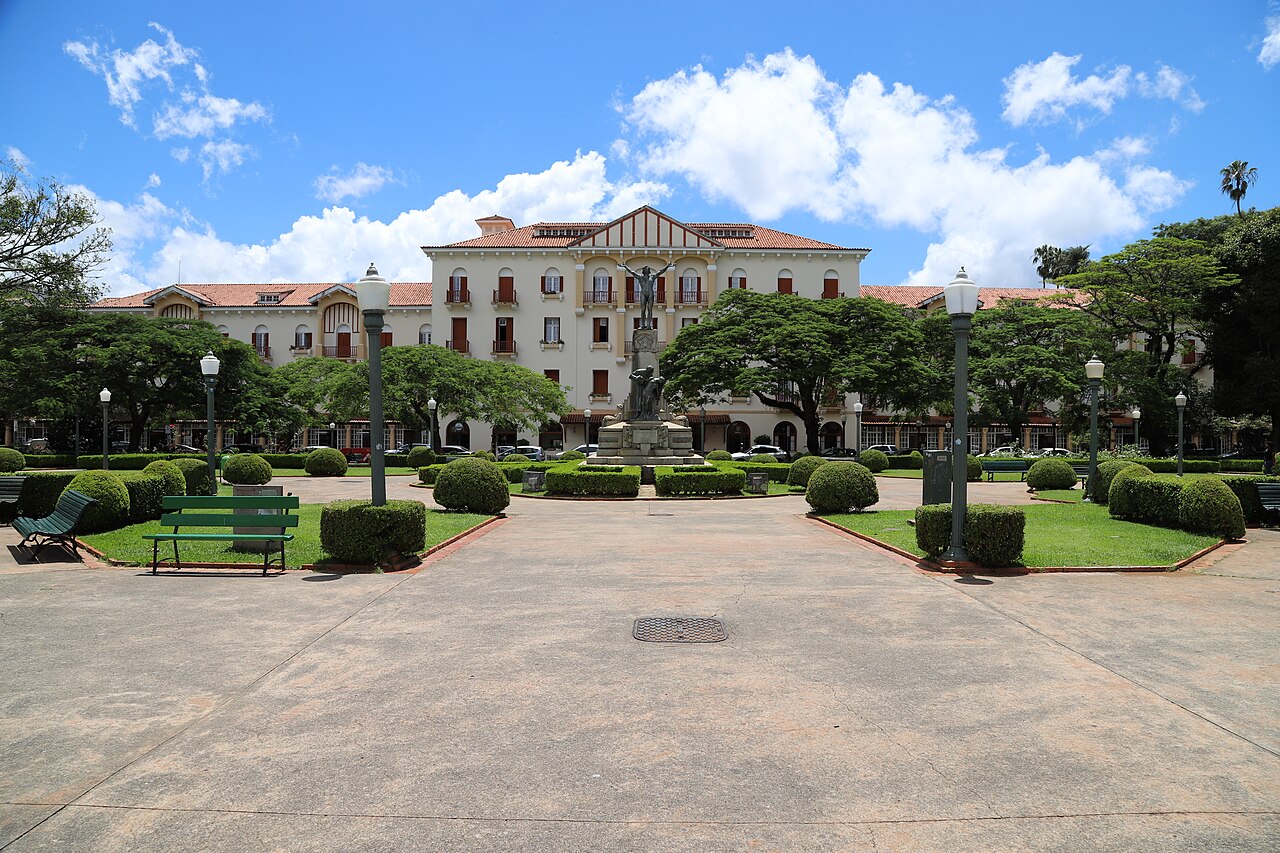
- Where: The Colossus project in Poços de Caldas, a town in Minas Gerais state, Brazil.
- Value: At least US$915 million in minimum revenue for 2029 to 2034, if the agreed volumes are delivered.
- Why it matters: It opens a rare earth supply route outside China for magnets in cars, turbines and jets.
- Power Index Brazil ranks 1st of 14 in The Rio Times Latin America Power Index, with 75.0 points (October 2026 edition).
A Brazil rare earth project has signed a binding deal to sell its output to Solvay, a Belgian chemicals group, from 2028. The project, called Colossus, is run by Viridis Mining and Minerals, a company listed in Australia.
Viridis announced the agreement on Wednesday 4 November 2026 and estimates minimum revenue of about US$915 million for 2029 to 2034. For US readers, it is a step toward magnet metals that do not pass through Chinese factories.
What the Brazil Rare Earth Deal Says
Solvay commits to buy minimum volumes of a rare earth powder from the start of production, expected in 2028, through the end of 2034. Those minimums equal about 70% of the output Viridis projects for the mine.
Minimum prices are fixed for the main magnet metals, which protects Viridis if market prices fall. Solvay also gets the first right to bid for the remaining 30%, but it does not have to buy anything beyond its minimums.
In Plain English, Who Is Who
Viridis Mining and Minerals is an Australian-listed company building the Colossus mine and processing site in Poços de Caldas, southern Minas Gerais. It has no output yet and needs bank loans to finish construction.
Solvay is a Belgium-based chemicals group that already separates rare earths at its plant in La Rochelle, France. The product is mixed rare earth carbonate, a powder that still must be split into single metals such as neodymium.
Why Rare Earths Matter to the United States
Rare earths are used in the small, powerful magnets inside electric car motors, wind turbines, drones and military aircraft. China processes most of the world’s supply, which gives it leverage over buyers.
Governments in Washington and Brussels have been looking for mines and refiners outside China. Brazil holds large rare earth reserves, and this contract links one of its projects to a Western chemicals buyer.
A Step Up From June
In June 2026 the two companies signed only a letter of intent, which did not oblige either side to trade. The new contract is a binding long-term supply agreement, which is the kind of paper lenders want to see.
Viridis says the deal removes a major commercial risk and should help it complete debt financing. Read more in our coverage of the US$120 million raised for Colossus and of the foreign firms drawn to Brazil’s rare earths.
What It Means for You
If you own shares in electric vehicle, wind power or defense companies, supply deals like this one point to a second source of magnet metals. A broader supply base can reduce the risk of sudden price spikes when China tightens exports.
Brazil is also reshaping its own rules for the sector, as we reported in our guide to the new critical minerals law. Investors in Australian-listed miners should note that Viridis still depends on finishing its financing.
What Is Not Known
Viridis has not published prices per tonne, the total tonnage, or the date on which the contract was signed. A second agreement, covering technology from Solvay to make a more refined product in Brazil, is still under negotiation.
The mine still needs its debt financing and construction to be completed before any delivery. Whether production can start in 2028 as planned remains to be seen.
More: Latin America news in English, every day from The Rio Times.
Frequently Asked Questions
What did Viridis and Solvay agree on?
They signed a binding long-term supply agreement for mixed rare earth carbonate from the Colossus project in Brazil. Solvay buys minimum volumes from the start of production through 2034.
How much is the Solvay deal worth?
Viridis estimates minimum revenue of about US$915 million for 2029 to 2034. That figure applies only if the agreed volumes are delivered.
When will the Brazilian mine start producing?
Production is expected to start in 2028. Viridis still has to finish its debt financing and construction first.
Why do rare earths matter to the United States?
They are needed for the strong magnets used in electric cars, wind turbines and military aircraft. China dominates their processing, so Washington wants other sources.
Sources: Viridis Mining and Minerals, company announcements page (Colossus offtake agreement with Solvay), 4 November 2026; Viridis Mining and Minerals, Colossus project page, accessed 5 November 2026.
This article was produced by The Rio Times’ automated newsroom system. How we use AI · Report an error · Editorial responsibility: Matthias Camenzind, Editor-in-Chief
Brazil runoff, Sunday, October 25: Brazil runoff start time and results schedule. Latest: Brazil runoff polls, Flávio 51%, Lula 49%.