Brazil Election Rules: Voter Arrest Ban to 6 October, 90% of Machines Ready
BRAZIL · ELECTIONS
Key Facts
- —The vote Brazil holds the first round of its general election on Sunday 4 October 2026, with polls open 8 a.m. to 5 p.m. Brasília time.
- —The arrest rule Since Tuesday 29 September, article 236 of the Electoral Code bars the arrest of voters until 48 hours after polls close.
- —The exceptions Police may still arrest a voter caught in the act, one sentenced for a non-bailable crime, or one who breaks an electoral safe-conduct.
- —The machines Electoral court president Kassio Nunes Marques said on 29 September that 90% of the 563,910 voting machines were ready.
- —Getting there Electoral rules require free public transport on voting day; in the Federal District buses run free on a weekday timetable.
Brazil election rules now shield voters from most arrests until 6 October, and the electoral court reports 90% of voting machines ready.
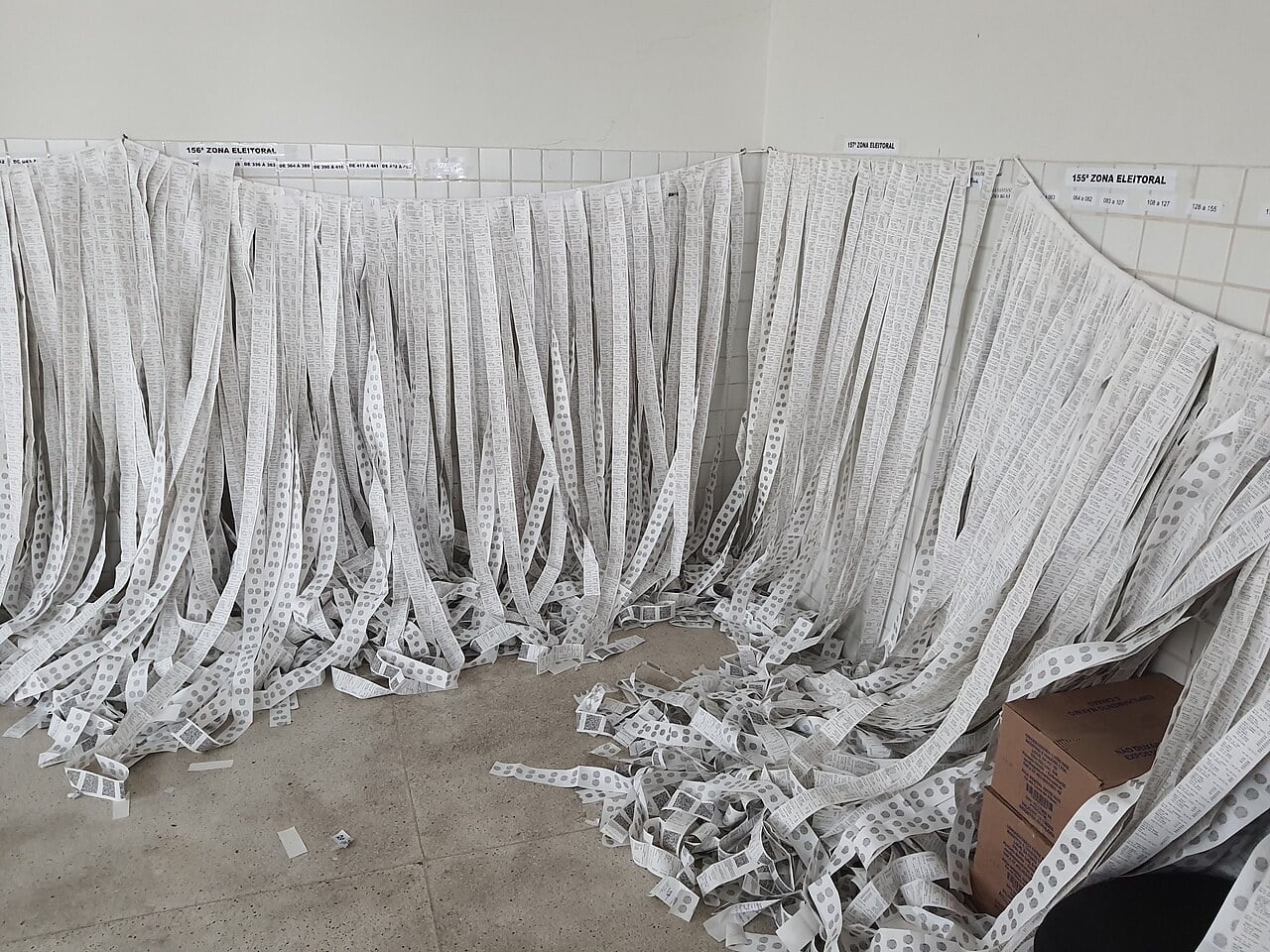
Brazil’s Electoral Code has barred the arrest of voters since Tuesday 29 September, five days before Sunday’s general election. The protection lasts until 48 hours after polls close, while the electoral court says 90% of voting machines are ready.
What the arrest rule says
The rule sits in article 236 of Brazil’s Electoral Code, a 1965 law. It says no authority may arrest or detain any voter from five days before the election.
The ban runs until 48 hours after voting ends. Polls close at 5 p.m. Brasília time on 4 October, so the window lasts until Tuesday 6 October.
Three exceptions remain. Police may arrest a voter caught committing a crime, a voter sentenced for a non-bailable crime, or one who disobeys a safe-conduct.
A safe-conduct is an order from the electoral courts that protects a voter from violence or pressure. Anyone arrested in the window must go straight before a judge.
Who else is protected, and why
Candidates have enjoyed stronger cover since Saturday 19 September, fifteen days before the vote. They can be arrested only if caught in the act.
Polling-station staff and party inspectors get the same cover, but only while they work on voting day. The regional electoral court of Pará, TRE-PA, restated these limits this week.
The idea dates back to Brazil’s 1932 Electoral Code, Rondoniaovivo recalled. Rural political bosses known as coronéis then used intimidation to steer votes.
The rule protects the act of voting, not crime in general. A person caught buying votes or illegally transporting voters can still be arrested on the spot.
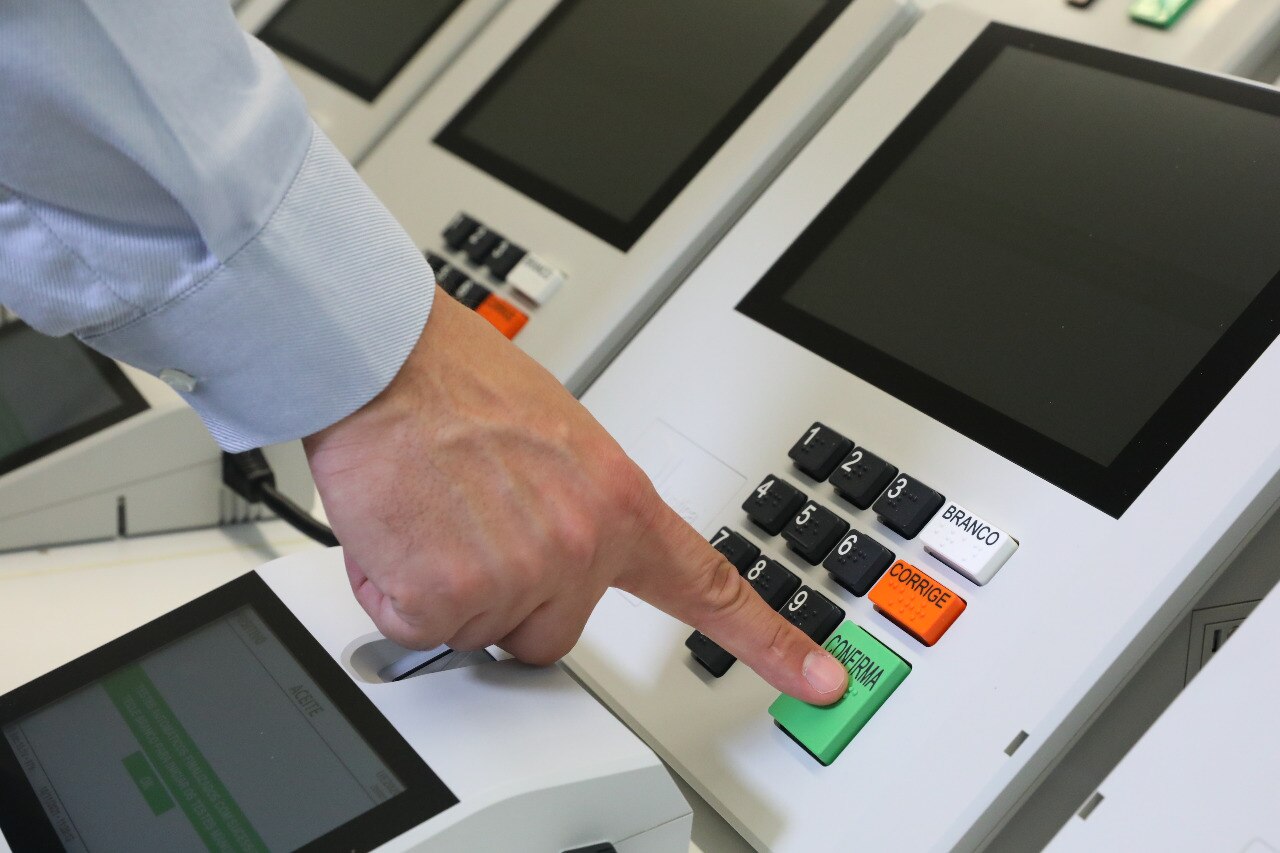
How ready the voting machines are
Kassio Nunes Marques presides over the Superior Electoral Court (TSE), Brazil’s top election authority. He told a court session on 29 September that 90% of machines were prepared.
The TSE plans to use 563,910 electronic voting machines this year, according to its August count. They will serve more than 158.7 million registered voters.
About 77% of those machines are the two newest models, from 2020 and 2022. The oldest units in service date from 2013.
Most voters will also be identified by fingerprint. The TSE said in May that 88.78% of the electorate, about 140 million people, had biometric records.
Voters will choose a president, governors, senators, and federal and state deputies. A presidential run-off, if needed, takes place on 25 October.
Where the weather could interfere
The risks are logistical rather than technical. Nunes Marques named drought in the North and heavy rain in Rio Grande do Sul, Hoje em Dia and A Crítica reported.
“The drought in the North region concerns us, because the rivers are access routes,” he said. If rivers dry up, the Armed Forces must help set up polling stations.
In Rio Grande do Sul, rain may force some polling places to move. The TSE has opened a climate situation room to help regional courts respond on the day.
Free transport on voting day
A TSE resolution, number 23.751 of 2026, requires free urban and intercity public transport on both voting Sundays. Urban service must run at weekday frequency.
On 28 September Nunes Marques asked the regional courts to check what cities and states have promised. The request followed a petition from the Federal Public Defender’s Office.
The Federal District, which contains Brasília, already runs free buses on Sundays under its Vai de Graça programme, Metrópoles reported. On 4 October its lines will follow the weekday timetable.
Lines serving the Esplanada dos Ministérios and two commercial districts, SIA and SAAN, keep their Sunday schedule. The Metrô-DF underground will run from 6 a.m. to 9:30 p.m.
What it means for residents and observers
For foreign residents, the practical changes are small but real. Public transport is free on voting day, and in Brasília it runs at weekday frequency.
The arrest window covers registered voters, not everyone in the country. Anyone caught committing a crime can still be arrested at any time.
The TSE has not said when the remaining 10% of machines will be ready. The court also runs a climate room to handle weather problems on the day.
With nine in ten machines ready and the arrest rules in force, the main test on Sunday is logistics. Dry rivers in the North and rain in the South will decide how smooth it is.
More: Brazil Elections 2026 news, every day from The Rio Times.
Frequently Asked Questions
Can Brazilian voters be arrested during the election period?
Only in limited cases. From 29 September until 48 hours after polls close on 4 October, voters can be arrested in only three cases. They are being caught in the act, a sentence for a non-bailable crime, or breaking an electoral safe-conduct.
How many voting machines will Brazil use in 2026?
The Superior Electoral Court plans to use 563,910 electronic voting machines for more than 158.7 million voters. Its president said on 29 September that 90% were ready.
Is public transport free on election day in Brazil?
A TSE resolution requires free urban and intercity public transport on both voting Sundays, 4 and 25 October. In the Federal District buses are free and follow the weekday timetable.
Sources: Rondoniaovivo · Hoje em Dia · A Crítica · Metrópoles · Presidência da República (Electoral Code, Law 4.737/1965) · Superior Electoral Court (TSE), voting machines · Superior Electoral Court (TSE), electorate and biometrics · Superior Electoral Court (TSE), free transport · Regional Electoral Court of Pará (TRE-PA)
This article was produced by The Rio Times’ automated newsroom system. How we use AI · Report an error
Read More from The Rio Times