
Canadian police allege that a car-theft ring hid 96 stolen vehicles in shipping containers bound for West Africa. Peel Regional Police, the force that serves Brampton and Mississauga, two cities west of Toronto, announced on Monday 16 November 2026 that it had charged 12 people.
The vehicles are worth C$4.5 million (about US$3.15 million, at 0.70 US dollars per Canadian dollar on 17 November). The case shows how stolen cars can travel from Ontario to African ports, a route that touches car owners, insurers and used-car buyers on both continents.
Key Facts
- Case. Peel Regional Police, near Toronto, announced Project Cadetta, a car-theft case, on Monday 16 November 2026.
- Arrests. Twelve people face 231 charges, and two more suspects are still wanted.
- Cars. Police recovered 96 stolen vehicles worth C$4.5 million (about US$3.15 million).
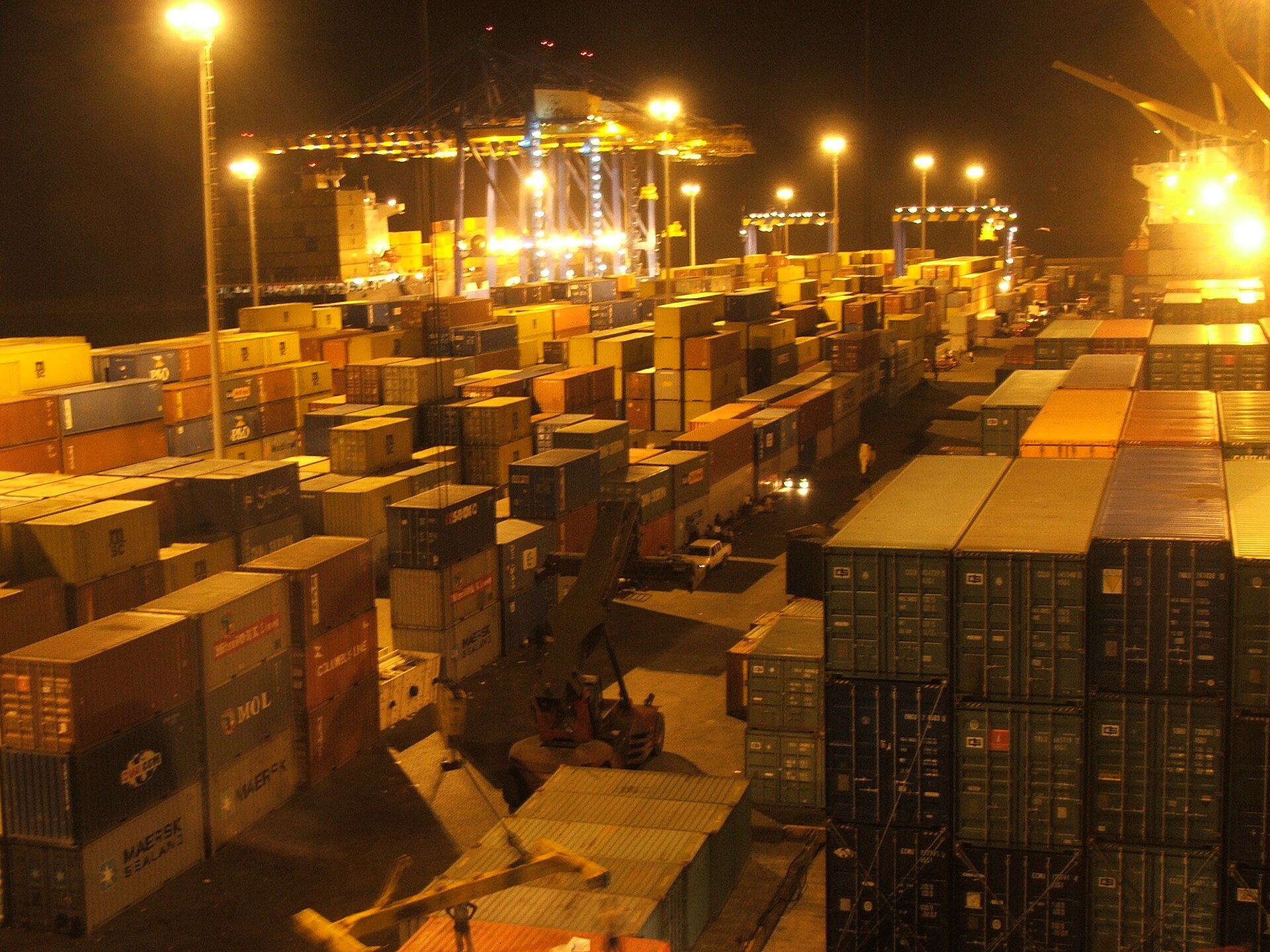
- Route. The vehicles were hidden in shipping containers bound for West Africa through Canadian ports.
- As of. Tuesday 17 November 2026, 7:00 p.m. GMT.
Police in Ontario broke up an alleged export ring after an investigation that began in March 2026. The charges are allegations, and a court has not ruled on them.
The Big Picture
Peel Regional Police said on 16 November 2026 that auto thefts in Peel Region are down more than 50% since the 2023 peak and about 10% so far this year. Équité Association, the Canadian insurance industry’s theft-fighting body, said in February 2026 that reported vehicle thefts across Canada fell 18% in 2025, to 46,999 from 57,359.
Peel Regional Police Deputy Chief Nick Milinovich said at the news conference on 16 November that about 75% of the stolen vehicles intercepted at the Port of Montreal, in Quebec, for export come from Ontario. Project Cadetta began in March 2026 with one warehouse in Brampton.
Investigators then linked it to loading sites, container movements and stolen vehicles that police describe as re-VINed, meaning given altered vehicle identification numbers (VINs). Police allege five key suspects coordinated the theft, movement and export of the vehicles, while seven other accused played supporting roles.
Milinovich said the operation dismantled the supply chain from street-level thieves to international export brokers. The accused are presumed innocent until a court rules.
What Happened
Detectives of the Commercial Auto Crime Bureau, Peel’s specialist unit, worked with the Canada Border Services Agency (CBSA), Canada’s customs and border authority. Coordinated search warrants and arrests took place in autumn 2026.
“Organized auto theft is a predatory business model run by transnational syndicates,” said Deputy Chief Nick Milinovich of Peel Regional Police on 16 November 2026.
Twelve people face a combined 231 charges. Nine were charged and released with a future court date, while three were held for bail hearings and later released.
Police said some of the accused may be referred to the CBSA and could face immigration enforcement, including removal from Canada, after their criminal cases end. Two further suspects, one of them a 16-year-old who cannot be named under Canada’s youth justice law, are wanted on arrest warrants.
What It Means for You
The direct cost falls on Ontario vehicle owners and insurers, who bear the loss when cars like these disappear. Police valued the 96 recovered vehicles at C$4.5 million (about US$3.15 million), an average of about C$47,000 (about US$33,000) each.
For buyers of used cars in West Africa, police say some of the vehicles were re-VINed, meaning their identification numbers were altered. They did not name the destination ports, countries or buyers.
What Is Not Known
Peel’s release does not give the nationality of any accused person, so we do not report one. It also does not name the destination ports, countries or buyers in West Africa, or say when the nine released suspects return to court.
Police say the investigation continues and more charges are expected. The two wanted suspects had not been arrested as of the police announcement.
What to Watch
No court dates for the accused were published in the police release, so we mark them date not confirmed. A first court appearance will set the next steps for each accused.
Police have also said further charges are expected, with no date given. Immigration referrals to the CBSA can follow only after the criminal cases end.
Frequently Asked Questions
What is Project Cadetta?
Project Cadetta is a Peel Regional Police investigation, run with the Canada Border Services Agency since March 2026. It targeted a Brampton warehouse used to stage stolen vehicles for export.
How many vehicles were recovered?
Police recovered 96 stolen vehicles, including luxury SUVs and pickup trucks, valued at C$4.5 million (about US$3.15 million). They were found hidden in shipping containers.
Where were the stolen cars going?
Police say the vehicles were destined for West Africa through Canadian ports. They did not name the destination ports or countries.
Have the accused been convicted?
No. Twelve people face 231 charges, which remain allegations until a court rules.
More from this region: Afreximbank backs Nigerian firms with US$75 million. Also read: Nigerian Exchange Group buys 10% of Nairobi bourse and Nigerian bank lets firms pay China in naira.
Sources: Peel Regional Police news release, 16 November 2026, https://www.peelpolice.ca; Peel Regional Police news conference, 16 November 2026; Équité Association auto theft report, February 2026, https://www.equiteassociation.com; Canada Border Services Agency, https://www.cbsa-asfc.gc.ca.
This article was produced by The Rio Times’ automated AI newsroom. Editorial responsibility: Matthias Camenzind, Publisher and Editor-in-Chief. The Rio Times also runs Ask Rio Times, which answers from 100,000+ of our own articles, the daily Latin America Power Map, and prediction-market odds on elections and markets.. How we use AI · Report an error