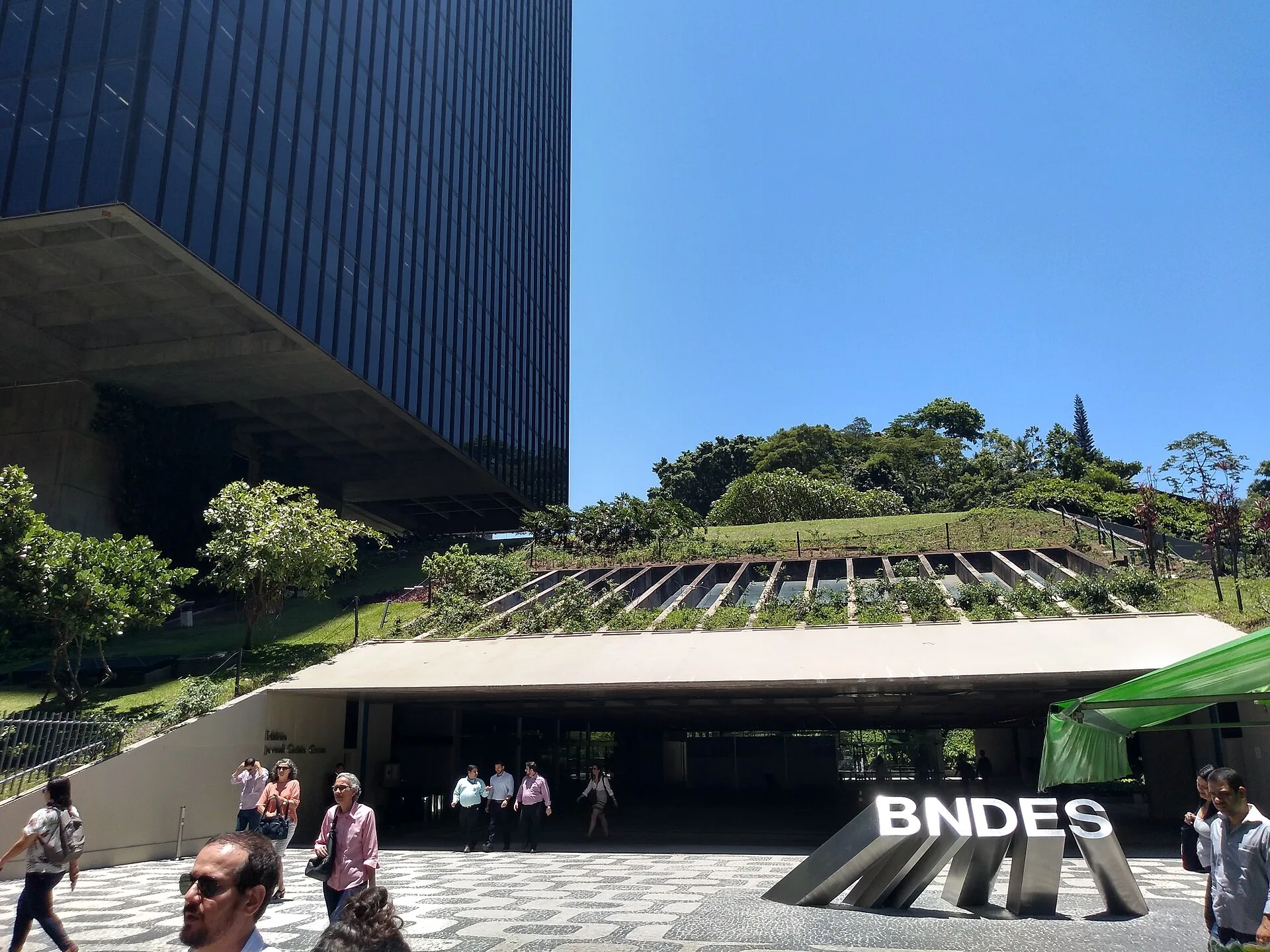
Brazil’s state development bank walked into the COP31 climate summit in Antalya, Turkey, with a headline number and a catch. On Thursday 12 November 2026 it said it could help mobilise R$39 billion (about US$6.9 billion) for clean-energy and decarbonisation projects.
The catch is that most of that money does not exist yet. It is a potential figure that depends on three new private funds raising their equity and attracting loans.
Key Facts
—Power Index Brazil ranks 1st of 14 in The Rio Times Latin America Power Index, with 74.2 points (November 2026 edition).
—Who. BNDES, Brazil’s state development bank, and the Green Climate Fund, a UN-backed climate fund.
—What. The Green Climate Fund backs two private funds with US$300 million; BNDES invests in three.
—When. Announced Thursday 12 November 2026 at the COP31 climate summit in Antalya, Turkey.
—Next step. The funds must now raise their money and attract private investors.
The bank, known as BNDES, picked three climate funds in a public call and is now putting its own money into them, with a US$300 million boost from the world’s largest multilateral climate fund.
What Happened
BNDES, the Brazilian National Development Bank, said the Green Climate Fund (GCF) approved money for two of the three funds it chose in a public call launched in 2025. The GCF is the largest multilateral climate fund, set up under the United Nations climate process to channel money to developing countries.
The GCF’s project page shows its board approved US$250 million on Wednesday 28 October 2026 for the Catalytic Transition Fund Brazil, run by the Canadian asset manager Brookfield. BNDES said the GCF also approved US$50 million for the Flying Rivers Fund II, run by the Brazilian manager eB Capital.
BNDES said it will invest in the Brookfield fund and in the Flying Rivers fund. It will also back Just Climate Brasil, managed by the London investment firm Generation Investment Management.
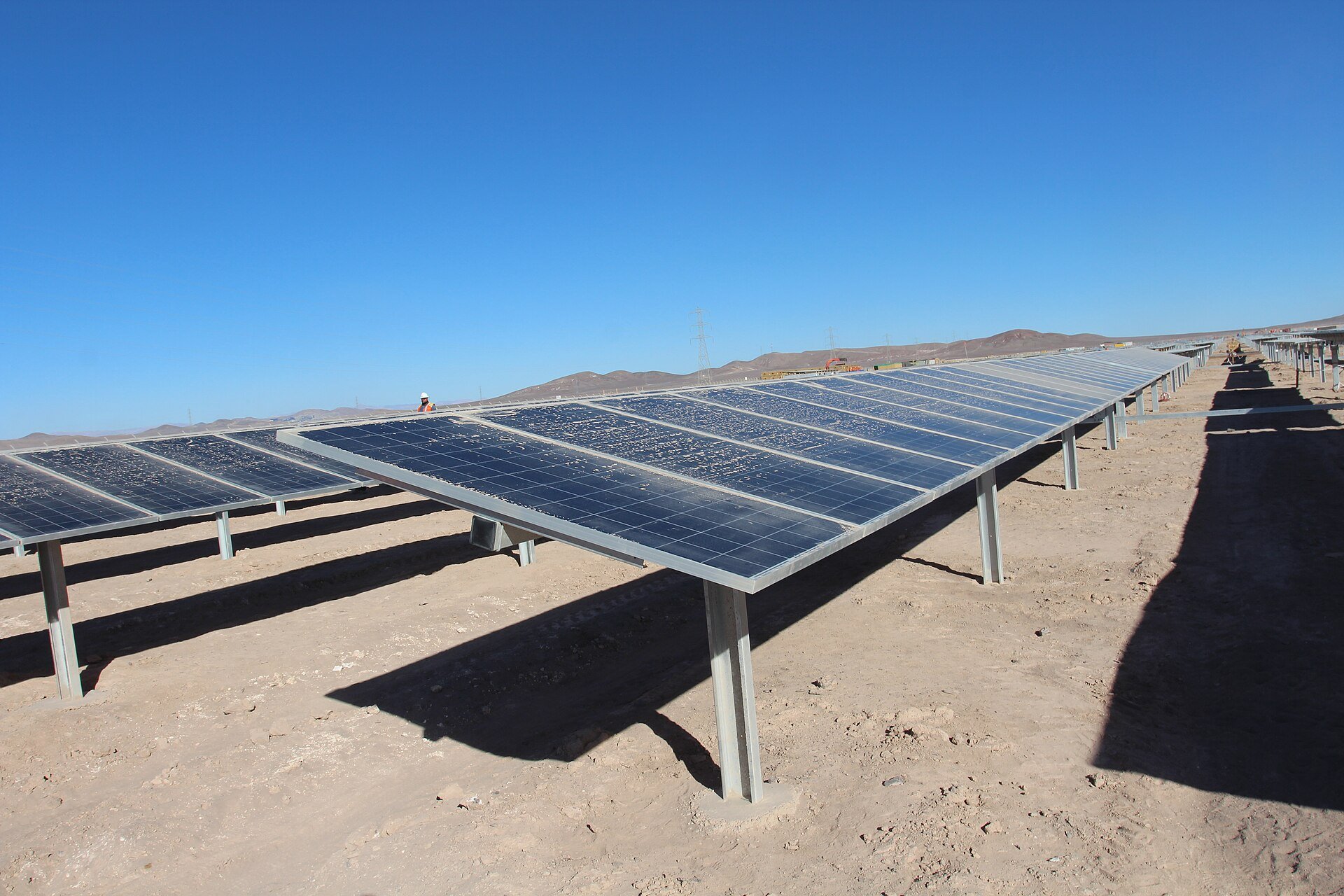
BNDES expects the three funds to attract further private investment. It says that brings the total mobilised to R$39 billion.
The R$39 billion is converted at about 5.64 reais per US dollar, a market rate on 13 November 2026. BNDES describes it as the total it expects the three funds and their investors to mobilise.
Why It Matters
The GCF’s US$250 million anchors a vehicle of up to US$1.3 billion. It is the first GCF project in Brazil channelled through a Brazilian accredited entity.
Brookfield, a Canadian asset manager, is the partner for the vehicle. How quickly the money will be put to work has not been announced.
BNDES says it wants to combine public money, international concessional capital and private investment. The GCF decision gives that plan an international backer.
What to Watch Next
The first test is fundraising: each fund must reach its target before it can invest. Brookfield’s vehicle is the largest, so its progress will signal how much appetite foreign investors have for Brazilian climate assets.
The second test is the debt. Whether lenders supply the rest of the money will show if the R$39 billion headline turns into projects, and no date for that has been published.
What Is Not Known
BNDES has not said when each fund will close its fundraising or make its first investment. The US$50 million for the Flying Rivers fund rests on BNDES’s own account.
The split between equity and loans is BNDES’s own expectation, not a commitment from named lenders. Nor is it known how much will come from foreign rather than Brazilian investors.
What It Means for You
For US investors, the funds are a way to see how a state bank and a UN climate fund try to share risk with private capital in Brazil. Anyone considering exposure should treat the R$39 billion as a ceiling, not a forecast.
More coverage is in our Brazil section, our report on Turkey’s green ambitions at COP31 and our look at BNDES’s first-half profit.
Frequently Asked Questions
Is the R$39 billion already available?
No. It is a potential total that depends on the three funds raising money and attracting private investment.
Who is putting in public money?
BNDES says it is investing in three climate funds. The Green Climate Fund approved US$250 million for the Brookfield fund and, per BNDES, US$50 million for the Flying Rivers fund.
What do the funds invest in?
BNDES describes the whole package as aimed at industrial decarbonisation and energy transition. It says the funds will draw in private money alongside public capital.
Sources: Green Climate Fund, project FP326 page; BNDES news agency; RT exchange-rate data, 13 November 2026.
This article was produced by The Rio Times’ automated AI newsroom. Editorial responsibility: Matthias Camenzind, Publisher and Editor-in-Chief. The Rio Times also runs Ask Rio Times, which answers from 100,000+ of our own articles, the daily Latin America Power Map, and prediction-market odds on elections and markets.. How we use AI · Report an error
Brazil runoff, Sunday, October 25: Brazil runoff: date, poll closing times and when results start. Latest: Brazil runoff polls, Flávio 51%, Lula 49%.