Brazil Approves Its First Locally Made Generic of Semaglutide, the Ozempic Weight-Loss Drug
Brazil · Business
Key Facts
- —What happened Brazil approved its first locally made generic of semaglutide, the Ozempic weight-loss drug, plus a rival copy.
- —How big a jump The generic label is new for this molecule; earlier Brazilian versions were classed as ‘new medicines’, not clean generics.
- —The catch Neither EMS nor Germed has named a launch date or price for the new pens yet.
- —What comes next The next test is whether prices actually fall once the pens reach pharmacy shelves.
- —Who it touches Brazilian patients face high costs and counterfeit risks, but cheaper local copies could widen access.
The green light also cleared a rival copy from Germed, setting up a home-grown price fight over Brazil’s most wanted medicine.
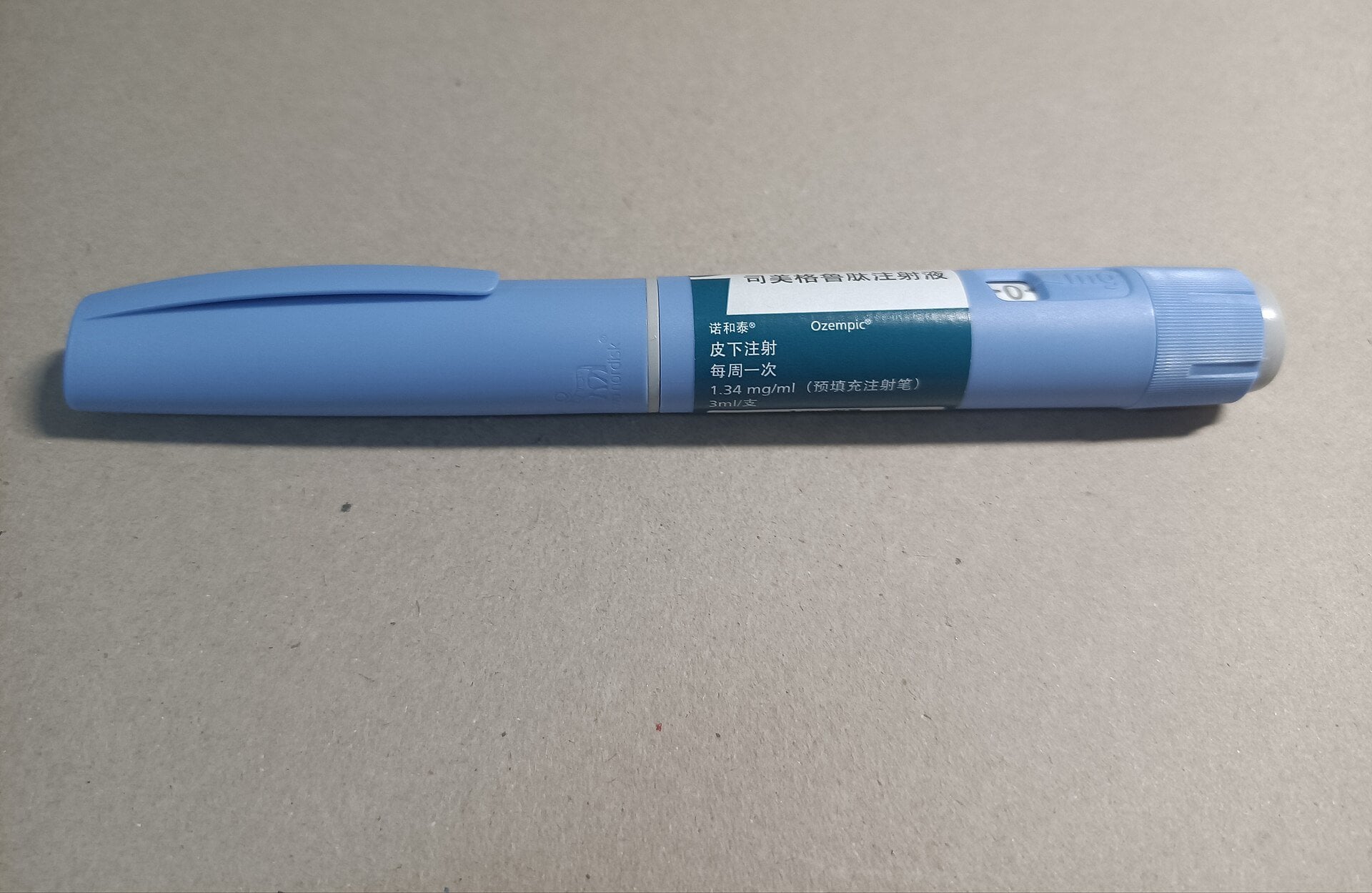
Brazil has approved its first locally made generic of semaglutide, the molecule behind the blockbuster drugs Ozempic and Wegovy. The health regulator Anvisa cleared the injectable pen for domestic maker EMS.
With the decision published in the federal gazette on 13 August 2026. A rival copy from fellow Brazilian lab Germed was waved through in the same stretch.
What Anvisa Actually Cleared
Anvisa registered an EMS pen as a full ‘generic’, the strictest copycat category in Brazilian law. That label means the product must prove it behaves in the body just like the original brand.
At the same time, Germed’s version, sold as Semaclique, was approved as a ‘similar’. Both are injectable pens, and both are made on Brazilian soil.
The registrations run for 24 months before they need renewal. However, neither company has yet named a launch date for the new pens.
Why Semaglutide Is Hard to Copy
Semaglutide is a large, fiddly molecule, not a simple chemical pill. For that reason, earlier Brazilian versions were logged as ‘new medicines’, not as clean generics.
This week’s decision changes that framing. It is the first time the regulator has stamped the coveted ‘generic’ badge on the weight-loss compound.
The difference is more than paperwork. Because a generic must match the reference drug closely, doctors and pharmacists tend to trust the swap.
How This Differs From July’s Pens
In late July, Anvisa registered five more semaglutide pens from other firms. Those, however, were classed as new synthetic analogs rather than true generics.
So the market has filled up fast in stages. First came EMS’s Ozivy in May, then July’s five analogs, and now this first formal generic.
Each wave has widened the field of competitors. As a result, patients should soon face a genuine choice of brands and prices.
The Patent Expiry That Opened the Door
None of this could happen while Novo Nordisk held its Brazilian patent. That protection finally lapsed in March 2026 after a long court fight.
Brazil’s Superior Court of Justice upheld the expiry, closing off further appeals. Once the shield fell, local drugmakers raced to file their versions.
The Danish maker had fought hard to stretch its monopoly. Even so, the courts sided with the argument that the patent term had run out.
Who EMS and Germed Are
EMS is Brazil’s largest pharmaceutical company, and Germed sits within the same corporate group. Both run manufacturing inside the country.
That local footprint matters for supply. In short, the pens can be produced at home rather than shipped in from abroad.
Domestic output can also blunt shortages and currency swings. Meanwhile, it keeps more of the value chain, and the jobs, inside Brazil.
What the Drug Treats
Anvisa’s paperwork lists the EMS generic for type 2 diabetes in adults. The same molecule, at higher doses, also powers the weight-loss brand Wegovy.
Patients inject the medicine under the skin using a pre-filled pen. Because demand is huge, obesity use has driven much of the frenzy.
Semaglutide curbs appetite and steadies blood sugar. For that reason, it has become one of the most sought-after medicines in the country.
The Price Question Everyone Is Asking
The gazette notice carried no price and no sale date for either new pen. Companies, therefore, have not yet said what shoppers will pay.
Still, there is a useful benchmark. EMS launched its earlier Ozivy pen in June at R$452, or about US$89, well under branded Ozempic.
EMS also offered a 90-day starter pack for R$863,23, near US$170. That worked out to roughly R$287, about US$56, a month for early buyers.
Why It Matters for Patients
More approved pens should mean more competition, and competition usually drags prices down. For many Brazilians, that is the whole point.
The drugs remain expensive and hard to reach on public budgets. As a result, cheaper local copies could widen access over time.
Access has been strikingly uneven so far. Because the pens cost so much, many patients have simply gone without.
Doctors have also warned about people buying online without guidance. Therefore, wider legal supply could pull risky habits back into the open.
A Warning on Fakes and Oversight
The rush has a darker side, and regulators know it. Because the pens are so coveted, counterfeit versions have already surfaced.
Health officials have urged buyers to stick to approved products. In short, a cheap pen from an unknown source is a real gamble.
Novo Nordisk Is Not Standing Still
The patent loss does not push Novo Nordisk out of Brazil. The Danish firm has been expanding its own local production of the drug.
It still owns the trusted Ozempic and Wegovy brands. Therefore, the fight ahead is about price and loyalty, not just supply.
Global demand for these injections has exploded in recent years. Brazil, one of the world’s biggest drug markets, is a prize worth defending.
What Comes Next
Regulators are expected to keep approving weight-loss and diabetes pens through the rest of the year. Oral versions and rival molecules are also in the queue.
For now, though, the headline is simple. Brazil finally has a home-grown generic of the medicine millions have been chasing.
The next test is whether prices actually fall on the shelf. Until the pens reach pharmacies, the promised savings remain a hope, not a receipt.
More: Brazil news in English, every day from The Rio Times.
Frequently Asked Questions
Is this Brazil’s first ever semaglutide product?
No. EMS launched Ozivy in May and five more pens arrived in July. This is the first one Anvisa classed as a true generic.
What is the difference between a ‘generic’ and a ‘similar’?
A generic must match the original almost exactly and sells without a brand name. A similar is close but keeps its own brand, like Germed’s Semaclique.
How much will the new semaglutide pen cost?
The approval listed no price. For context, EMS’s earlier Ozivy pen launched around R$452, roughly US$89, below branded Ozempic.
Why is semaglutide such a big deal in Brazil?
It treats both type 2 diabetes and obesity. Demand has soared, so cheaper local copies are seen as a major access win.
Connected Coverage
Sources: Veja; Estado de S. Paulo; Correio Braziliense; Reuters; g1.
This article was produced by The Rio Times’ automated newsroom system. How we use AI · Report an error
Read More from The Rio Times