Snow Has Hit 26,000 Bolivian Families, and a River Took Out a Yungas Town

Bolivia · Economy
Key Facts
- —What happened Snow and cold have hit 26,202 families across three Bolivian departments, while a flooded river damaged a Yungas town.
- —How big a jump The damage spans 274 communities in 75 municipalities, with 6,211 families classed as severely impacted.
- —The catch The 26,202 figure covers snow in Potosí, Oruro and La Paz; the Quime flood is a separate rain event.
- —What it means Snow in August is normal but heavy rain flooding a river is not, suggesting early rains in the yungas.
- —Where it is growing Quime in La Paz lost streets and homes to the Kuyuma river, including an excavator vital for repairs.
- —What comes next Quime has not declared an emergency but is preparing a file to request state assistance and machinery.
Two different kinds of bad weather are hitting western Bolivia at once, and the smaller one is doing the most visible damage.
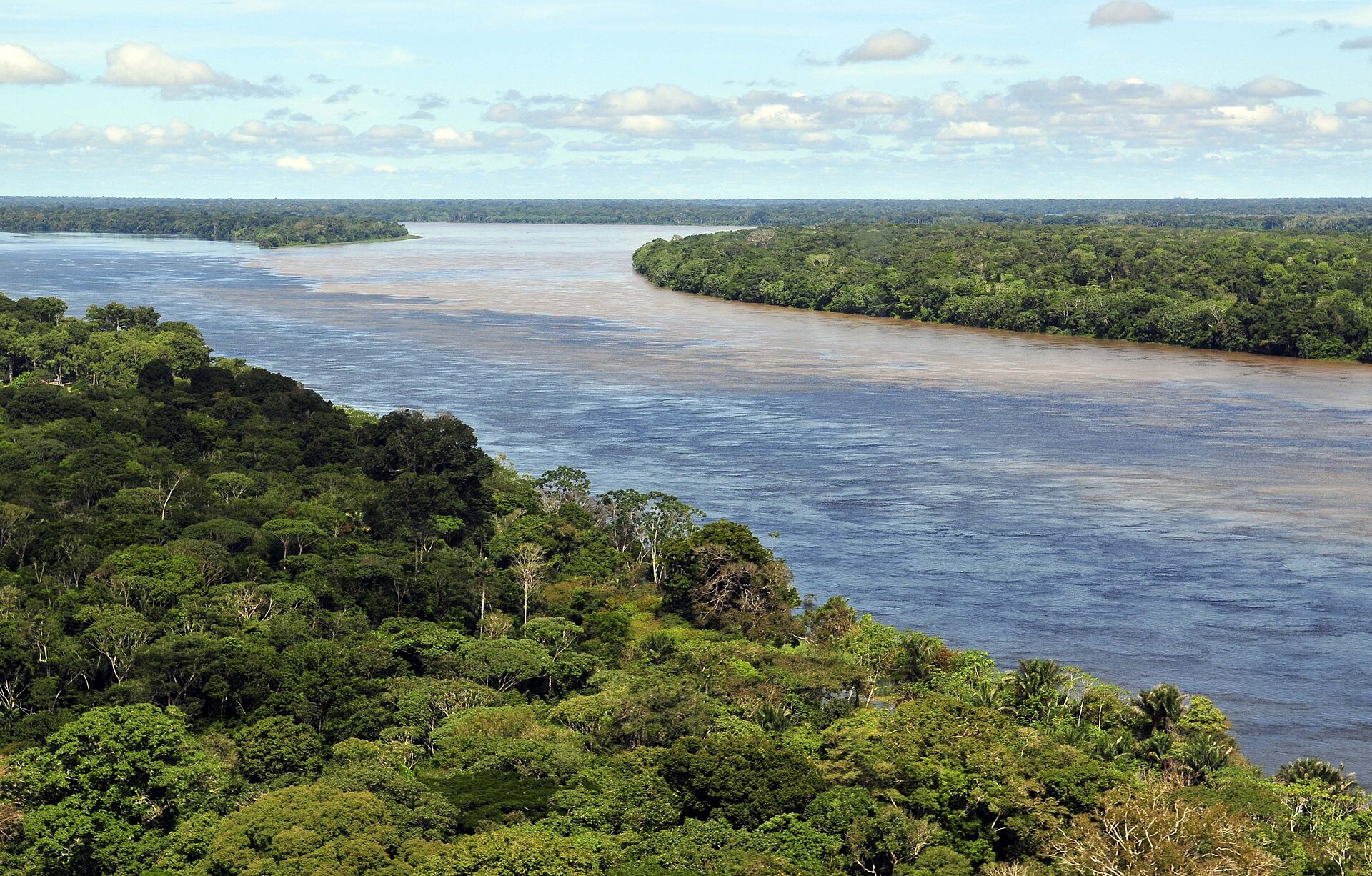
The Bolivia weather emergency now running across the west of the country is really two events with one number attached. The big one is snow and cold across Potosí, Oruro and La Paz, which the Vice-Ministry of Civil Defence says has affected 26,202 families. The small one is a river in a yungas town called Quime, which took out streets and homes on 18 and 19 August and is what the pictures are of.
The number, and what is behind it
Civil Defence, through vice-minister Roberto Rivero, reported on 19 August that 26,202 families had been affected and 6,211 classed as damnificadas — a Bolivian category covering severe impact, including loss of livelihood, not only uninhabitable housing. The damage spans 274 communities in 75 municipalities across Potosí, Oruro and La Paz. A separate wire count the same day gave 26,220 families and 323 communities, which is the usual spread you get on a moving emergency.
The driver is snowfall and cold, with Potosí — the Uyuni area in particular — worst hit. Potosí has declared a regional emergency. This is a winter event on the altiplano, where snow is normal and this quantity of it is not.
The economic damage from snow in this part of Bolivia is mostly livestock and roads: llamas and sheep lost, pasture buried, and highland routes closed for days at a time.
What happened at Quime
Quime sits in Inquisivi province in La Paz department, on the fringe where the high Andes drop into the yungas. Intense rainfall pushed the Kuyuma river over its banks on 18 and 19 August. Water entered homes, street platforms were eroded, debris was carried through the town and services were cut.
The municipality has not declared an emergency. It is preparing the technical file that would let it request state assistance, which is the step that determines whether machinery arrives or does not. In the meantime it is doing what it can — channelling the river, clearing material and trying to put the bed back where it was.
The detail that tells you the most is the excavator trapped in the water. Municipalities here typically own one or two pieces of heavy plant. Losing one to the river is not a colourful aside; it is a large share of the town’s capacity to dig itself out.
The La Paz governor’s office lists Quime alongside La Asunta, Luribay, Palca and Yanacachi among the worst-affected municipalities. At Palca the road platform is expected to need about a month of repair work, and the national roads agency has been clearing snow at La Cumbre, the pass above the capital.
Why the seasonality matters
Senamhi, the national weather service, dates the altiplano rainy season from November to March. Snow in August is unremarkable; a rainfall-driven riada in August is not.
That distinction is worth holding on to, because coverage of Bolivian weather emergencies routinely runs the two together. The 26,202 figure is a snow-and-cold count for three departments. The Quime flood is a rain event in one municipality. Neither number describes the other.
It also matters for what comes next. If the rains have arrived early in the yungas, the wet season that normally starts in November has a long way to run, and the roads that were damaged this week will be tested again.
What a Bolivia weather emergency costs a country like this one
Bolivia is having an unusually good year on paper. Mining exports reached US$4.45 billion in the first half, up 91% on a year earlier, and the gap between the official and parallel dollar has all but closed after two years of shortage. None of that reaches Quime.
Rural road damage is where weather turns into economics here. The yungas grow coffee, citrus and coca, and they are the corridor between La Paz and the lowlands. When the roads go, produce does not reach market, prices in the city move, and the repair bill lands on municipalities with almost no budget.
Emergency response also costs hard currency — machinery, spare parts, fuel — and Bolivia has spent two years rationing exactly that. A good export half-year does not build a bridge in Inquisivi, and nothing in the current budget suggests one is coming.
What to watch, and what to do
Whether the national government moves from Civil Defence coordination to formal declarations with budget attached. In Bolivia that step is what converts sympathy into equipment.
Whether more municipalities follow Potosí into regional emergency. The count of affected families has been rising through the week.
And practically: if you are travelling in the La Paz yungas or across the altiplano in the coming weeks, check road status before setting out rather than on the way. Landslides and snow closures in this terrain shut routes for days, and the detours are long. La Cumbre, the pass every road out of La Paz to the north crosses, is the one to check first.
More: Bolivia news in English, every day from The Rio Times.
Frequently Asked Questions
How many people are affected by the Bolivia weather emergency?
Civil Defence reported 26,202 families affected and 6,211 classed as damnificadas across 274 communities in 75 municipalities of Potosí, Oruro and La Paz. Those totals are driven mainly by snowfall and cold, not by flooding.
What happened at Quime?
Intense rain pushed the Kuyuma river over its banks on 18 and 19 August, flooding homes in the town centre, eroding street platforms and cutting services. An excavator was trapped in the river. The municipality has not declared an emergency but is preparing a file to request state aid.
Is this normal for August in Bolivia?
Snowfall on the altiplano in August is normal, though not at this intensity. Heavy rain driving a river over its banks is not — Senamhi dates the altiplano rainy season from November to March.
Connected Coverage
Bolivia Fuel Debt Hits US$800 Million as IMF Money Waits
Bolivia IMF Deal: What US$1.9bn Means For You
Bolivia Sold Almost Twice as Much Mining Abroad — With Less Metal
Sources: Viceministerio de Defensa Civil de Bolivia; Gobernación de La Paz; Senamhi Bolivia
This article was produced by The Rio Times’ automated newsroom system. How we use AI · Report an error · Editorial responsibility: Matthias Camenzind, Editor-in-Chief
In depth