IBOV 172,513.42 ▼ 1.73% IPSA 11,256.28 ▼ 0.17% IPC MEX 66,938.64 ▲ 0.82% MERVAL 3,086,785 ▼ 0.45% COLCAP 2,350.44 — 0.00% BVL PERÚ 59,143.04 ▲ 0.74% USD/BRL5.08— 0.00% USD/MXN17.14▲ 0.02% USD/CLP 912.03 — 0.00% USD/COP3,156▲ 0.01% USD/PEN3.38▼ 0.29% USD/ARS1,499▼ 0.03% USD/UYU40.27— 0.00% USD/PYG5,920— 0.00% USD/BOB11.78— 0.00% USD/DOP58.11— 0.00% USD/CRC450.33— 0.00% USD/GTQ7.62— 0.00% USD/HNL26.78— 0.00% USD/NIO 36.62 — 0.00% USD/VES755.65▼ 0.13% USD/PAB1.00— 0.00% USD/BZD2.00— 0.00% USD/JMD157.89▲ 0.36% USD/TTD6.73— 0.00% EUR/BRL5.88— 0.00% BRENT 83.55 ▲ 1.29% WTI 78.18 ▲ 1.15% IRON ORE 161.91 — — COPPER 6.59 ▼ 1.44% GOLD 4,400 ▲ 3.72% SILVER 63.50 ▲ 3.35% SOY 1,176 ▲ 1.64% CORN 461.50 ▲ 5.13% WHEAT 639.75 ▲ 1.35% COFFEE 313.65 ▼ 2.49% SUGAR 16.49 ▲ 5.91% ORANGE JUICE 147.00 ▼ 2.91% COTTON 84.07 ▲ 2.57% COCOA 5,847 ▲ 1.23% BEEF 225.28 ▼ 2.57% CATTLE 345.23 ▼ 0.81% LITHIUM 74.01 ▲ 2.21% PETR4 40.87 ▼ 2.99% VALE3 74.97 ▼ 0.56% ITUB4 40.75 ▼ 2.58% BBDC4 17.31 ▼ 2.20% ABEV3 15.48 ▼ 1.15% BBAS3 20.06 ▼ 1.08% B3SA3 14.95 ▼ 2.67% WEGE3 48.12 ▼ 0.58% PRIO3 57.45 ▼ 1.98% SUZB3 41.70 ▼ 0.64% RENT3 37.82 ▼ 0.89% AZZA3 17.01 ▲ 5.06% CSAN3 3.67 ▼ 3.17% RAIZ4 0.26 — 0.00% PCAR3 2.92 ▲ 0.69% GMAT3 3.73 ▼ 2.36% PSSA3 50.42 ▼ 4.24% CVCB3 1.52 ▲ 0.66% POSI3 3.53 ▲ 1.44% SLCE3 13.22 ▲ 0.08% NATU3 8.28 ▲ 1.22% BRKM5 5.94 ▼ 1.82% RANI3 8.26 ▼ 0.60% CSNA3 4.57 ▼ 3.59% CMIN3 5.45 ▼ 5.22% USIM5 7.15 ▼ 0.56% GGBR4 25.05 ▼ 2.34% ENEV3 26.18 ▼ 1.58% CPFE3 44.80 ▼ 2.29% CMIG4 10.92 ▼ 1.71% EQTL3 37.28 ▼ 2.99% LREN3 12.39 ▼ 8.09% VIVT3 30.58 ▼ 1.00% RAIL3 13.59 ▼ 0.88% KLABIN 18.01 ▼ 0.06% RAIA DROGASIL 20.22 ▲ 0.50% RDOR3 33.92 ▼ 0.41% HAPV3 10.77 ▼ 3.23% FLRY3 18.95 ▲ 9.73% SMTO3 14.77 ▲ 0.54% UGPA3 31.28 ▼ 4.49% VBBR3 34.23 ▼ 2.34% BBSE3 38.38 ▼ 6.30% BPAC11 53.91 ▼ 4.07% CURY3 31.36 ▼ 0.54% AERI3 2.29 — 0.00% VIVARA 21.63 ▼ 0.83% COMPASS 22.83 ▼ 2.10% VAMOS 3.08 ▼ 0.96% SANB11 29.27 — 0.00% ASAI3 8.24 ▼ 2.94% SBSP3 26.89 ▼ 1.83% WALMEX 49.60 ▲ 1.25% GMEXICO 225.45 ▲ 2.56% FEMSA 209.34 ▼ 0.19% CEMEX 19.48 ▼ 0.20% GFNORTE 199.41 ▲ 0.28% BIMBO 61.21 ▲ 0.67% TELEVISA 9.77 ▲ 0.10% AMX 20.41 ▼ 0.97% GAP 382.39 ▲ 0.06% ASUR 276.68 ▼ 0.34% OMA 236.74 ▼ 0.63% KOF 189.00 ▲ 0.55% GRUMA 254.51 ▲ 0.38% KIMBER 40.73 ▲ 1.29% SQM-B 65,789 ▼ 0.77% COPEC 6,115 ▼ 1.37% BSANTANDER 80.16 ▼ 1.11% FALABELLA 6,470 ▲ 1.09% ENELAM 87.40 ▼ 0.24% CENCOSUD 2,050 ▼ 0.49% CMPC 1,030 — 0.00% BANCO CHILE 188.65 ▼ 1.59% LATAM AIR 25.80 ▼ 2.09% YPF 7,775 ▼ 0.77% GGAL 7,315 ▼ 0.81% PAMPA 5,205 ▲ 0.39% TXAR 723.00 ▲ 6.40% ALUAR 934.50 ▼ 0.16% TGS 9,135 ▼ 0.76% CEPU 2,208 ▲ 1.42% MIRGOR 1,630 ▲ 0.31% COME 41.31 ▲ 0.32% LOMA NEGRA 3,283 ▼ 2.88% BYMA 290.00 ▲ 0.17% TELECOM ARG 4,380 ▲ 0.86% ECOPETROL 16.78 ▼ 3.56% BANCOLOMBIA 88.85 ▼ 1.55% GRUPO AVAL 5.06 ▼ 0.98% CREDICORP 386.93 ▼ 1.44% SOUTHERN COPPER 199.06 ▲ 3.12% BUENAVENTURA 34.15 ▲ 4.88% MERCADOLIBRE 1,821 ▼ 0.51% NUBANK 13.84 ▼ 1.98% XP 16.24 ▼ 2.64% PAGSEGURO 9.14 ▼ 2.35% STONE 10.60 ▼ 4.33% GLOBANT 37.37 ▲ 0.32% TECNOGLASS 44.14 ▼ 0.74% GAP AIRPORT 222.70 ▲ 0.27% ASUR 276.68 ▼ 0.34% OMA AIRPORT 110.44 ▼ 0.69% AMX ADR 23.75 ▼ 0.71% FEMSA ADR 122.46 ▲ 0.23% CEMEX ADR 11.33 ▲ 0.27% PETROBRAS ADR 17.96 ▼ 3.02% VALE ADR 14.71 ▼ 0.07% ITAU ADR 7.94 ▼ 2.93% SANTANDER BR 5.81 ▲ 0.26% AMBEV ADR 3.00 ▼ 0.33% CSN 0.93 ▼ 1.60% GERDAU 4.95 ▼ 1.79% LATAM ADR 56.72 ▼ 1.27% BTC 64,921 ▲ 0.02% ETH 1,919 ▲ 0.21% SOL 76.36 ▲ 0.51% XRP 1.04 ▼ 0.27% BNB 603.98 ▲ 0.59% ADA 0.20 ▼ 1.55% DOGE 0.07 ▼ 0.36% AVAX 6.47 ▼ 0.05% LINK 8.30 ▼ 0.03% DOT 0.81 ▼ 0.95% LTC 46.12 ▲ 0.30% BCH 216.40 ▲ 0.20% TRX 0.33 ▲ 0.16% XLM 0.16 ▼ 1.05% HBAR 0.07 ▼ 0.25% NEAR 1.61 ▲ 0.05% ATOM 1.38 ▼ 0.49% AAVE 91.04 ▼ 0.21% SELIC 14.00% EMBRAER 92.52 ▲ 0.95% EMBRAER ADR 73.01 ▲ 1.50% JBS 14.23 ▲ 3.94% JBS BDR 72.09 ▲ 3.13% MBRF3 16.07 ▼ 2.37% MBRFY 3.12 ▼ 3.70% INTER 5.27 ▼ 7.87% EGX 54,980 ▲ 0.59% USD/ZAR16.16▲ 0.14% USD/NGN1,362▲ 0.09% NIKKEI 65,607 ▼ 0.12% CSI300 4,694 ▲ 0.93% HSI 25,668 ▲ 0.54% NIFTY 24,571 ▼ 0.27% KOSPI 6,259 ▼ 0.60% JCI 6,410 ▲ 1.04% USD/JPY158.57▲ 0.56% USD/CNY6.74▼ 0.06% DAX 26,319 ▲ 0.69% CAC 8,715 ▲ 0.17% FTSE 10,901 ▲ 0.31% MIB 53,717 ▲ 0.06% IBEX 20,176 ▼ 0.02% STOXX 660.25 ▲ 0.31% EUR/USD1.16▲ 0.03% GBP/USD1.35▲ 0.06% SPX 7,758 ▲ 0.62% DJI 54,037 ▲ 0.28% NDX 29,722 ▲ 1.19% RUT 3,034 ▲ 1.10% TSX 36,381 ▲ 0.68% VIX 14.90 ▼ 1.65% USD/CAD1.39▼ 0.06% US10Y 4.6600 ▼ 0.21% IBOV 172,513.42 ▼ 1.73% IPSA 11,256.28 ▼ 0.17% IPC MEX 66,938.64 ▲ 0.82% MERVAL 3,086,785 ▼ 0.45% COLCAP 2,350.44 — 0.00% BVL PERÚ 59,143.04 ▲ 0.74% USD/BRL 5.08 ▲ 0.03% USD/MXN 17.12 ▼ 0.62% USD/CLP 912.03 — 0.00% USD/COP 3,153 ▼ 0.89% USD/PEN 3.38 ▲ 0.08% USD/ARS 1,499 ▼ 0.08% USD/UYU 40.27 ▲ 1.51% USD/PYG 5,920 ▲ 1.24% USD/BOB 11.78 ▼ 1.55% USD/DOP 58.11 ▲ 0.19% USD/CRC 450.33 ▲ 2.09% USD/GTQ 7.62 ▲ 2.32% USD/HNL 26.78 ▲ 0.65% USD/NIO 36.62 — 0.00% USD/VES 754.82 ▼ 0.13% USD/PAB 1.00 — 0.00% USD/BZD 2.00 — 0.00% USD/JMD 157.89 ▲ 0.62% USD/TTD 6.73 ▲ 1.38% EUR/BRL 5.87 ▼ 0.97% BRENT 83.55 ▲ 1.29% WTI 78.18 ▲ 1.15% IRON ORE 161.91 — — COPPER 6.59 ▼ 1.44% GOLD 4,400 ▲ 3.72% SILVER 63.50 ▲ 3.35% SOY 1,176 ▲ 1.64% CORN 461.50 ▲ 5.13% WHEAT 639.75 ▲ 1.35% COFFEE 313.65 ▼ 2.49% SUGAR 16.49 ▲ 5.91% ORANGE JUICE 147.00 ▼ 2.91% COTTON 84.07 ▲ 2.57% COCOA 5,847 ▲ 1.23% BEEF 225.28 ▼ 2.57% CATTLE 345.23 ▼ 0.81% LITHIUM 74.01 ▲ 2.21% PETR4 40.87 ▼ 2.99% VALE3 74.97 ▼ 0.56% ITUB4 40.75 ▼ 2.58% BBDC4 17.31 ▼ 2.20% ABEV3 15.48 ▼ 1.15% BBAS3 20.06 ▼ 1.08% B3SA3 14.95 ▼ 2.67% WEGE3 48.12 ▼ 0.58% PRIO3 57.45 ▼ 1.98% SUZB3 41.70 ▼ 0.64% RENT3 37.82 ▼ 0.89% AZZA3 17.01 ▲ 5.06% CSAN3 3.67 ▼ 3.17% RAIZ4 0.26 — 0.00% PCAR3 2.92 ▲ 0.69% GMAT3 3.73 ▼ 2.36% PSSA3 50.42 ▼ 4.24% CVCB3 1.52 ▲ 0.66% POSI3 3.53 ▲ 1.44% SLCE3 13.22 ▲ 0.08% NATU3 8.28 ▲ 1.22% BRKM5 5.94 ▼ 1.82% RANI3 8.26 ▼ 0.60% CSNA3 4.57 ▼ 3.59% CMIN3 5.45 ▼ 5.22% USIM5 7.15 ▼ 0.56% GGBR4 25.05 ▼ 2.34% ENEV3 26.18 ▼ 1.58% CPFE3 44.80 ▼ 2.29% CMIG4 10.92 ▼ 1.71% EQTL3 37.28 ▼ 2.99% LREN3 12.39 ▼ 8.09% VIVT3 30.58 ▼ 1.00% RAIL3 13.59 ▼ 0.88% KLABIN 18.01 ▼ 0.06% RAIA DROGASIL 20.22 ▲ 0.50% RDOR3 33.92 ▼ 0.41% HAPV3 10.77 ▼ 3.23% FLRY3 18.95 ▲ 9.73% SMTO3 14.77 ▲ 0.54% UGPA3 31.28 ▼ 4.49% VBBR3 34.23 ▼ 2.34% BBSE3 38.38 ▼ 6.30% BPAC11 53.91 ▼ 4.07% CURY3 31.36 ▼ 0.54% AERI3 2.29 — 0.00% VIVARA 21.63 ▼ 0.83% COMPASS 22.83 ▼ 2.10% VAMOS 3.08 ▼ 0.96% SANB11 29.27 — 0.00% ASAI3 8.24 ▼ 2.94% SBSP3 26.89 ▼ 1.83% WALMEX 49.60 ▲ 1.25% GMEXICO 225.45 ▲ 2.56% FEMSA 209.34 ▼ 0.19% CEMEX 19.48 ▼ 0.20% GFNORTE 199.41 ▲ 0.28% BIMBO 61.21 ▲ 0.67% TELEVISA 9.77 ▲ 0.10% AMX 20.41 ▼ 0.97% GAP 382.39 ▲ 0.06% ASUR 276.68 ▼ 0.34% OMA 236.74 ▼ 0.63% KOF 189.00 ▲ 0.55% GRUMA 254.51 ▲ 0.38% KIMBER 40.73 ▲ 1.29% SQM-B 65,789 ▼ 0.77% COPEC 6,115 ▼ 1.37% BSANTANDER 80.16 ▼ 1.11% FALABELLA 6,470 ▲ 1.09% ENELAM 87.40 ▼ 0.24% CENCOSUD 2,050 ▼ 0.49% CMPC 1,030 — 0.00% BANCO CHILE 188.65 ▼ 1.59% LATAM AIR 25.80 ▼ 2.09% YPF 7,775 ▼ 0.77% GGAL 7,315 ▼ 0.81% PAMPA 5,205 ▲ 0.39% TXAR 723.00 ▲ 6.40% ALUAR 934.50 ▼ 0.16% TGS 9,135 ▼ 0.76% CEPU 2,208 ▲ 1.42% MIRGOR 1,630 ▲ 0.31% COME 41.31 ▲ 0.32% LOMA NEGRA 3,283 ▼ 2.88% BYMA 290.00 ▲ 0.17% TELECOM ARG 4,380 ▲ 0.86% ECOPETROL 16.78 ▼ 3.56% BANCOLOMBIA 88.85 ▼ 1.55% GRUPO AVAL 5.06 ▼ 0.98% CREDICORP 386.93 ▼ 1.44% SOUTHERN COPPER 199.06 ▲ 3.12% BUENAVENTURA 34.15 ▲ 4.88% MERCADOLIBRE 1,821 ▼ 0.51% NUBANK 13.84 ▼ 1.98% XP 16.24 ▼ 2.64% PAGSEGURO 9.14 ▼ 2.35% STONE 10.60 ▼ 4.33% GLOBANT 37.37 ▲ 0.32% TECNOGLASS 44.14 ▼ 0.74% GAP AIRPORT 222.70 ▲ 0.27% ASUR 276.68 ▼ 0.34% OMA AIRPORT 110.44 ▼ 0.69% AMX ADR 23.75 ▼ 0.71% FEMSA ADR 122.46 ▲ 0.23% CEMEX ADR 11.33 ▲ 0.27% PETROBRAS ADR 17.96 ▼ 3.02% VALE ADR 14.71 ▼ 0.07% ITAU ADR 7.94 ▼ 2.93% SANTANDER BR 5.81 ▲ 0.26% AMBEV ADR 3.00 ▼ 0.33% CSN 0.93 ▼ 1.60% GERDAU 4.95 ▼ 1.79% LATAM ADR 56.72 ▼ 1.27% BTC 64,921 ▲ 0.02% ETH 1,919 ▲ 0.21% SOL 76.36 ▲ 0.51% XRP 1.04 ▼ 0.27% BNB 603.98 ▲ 0.59% ADA 0.20 ▼ 1.55% DOGE 0.07 ▼ 0.36% AVAX 6.47 ▼ 0.05% LINK 8.30 ▼ 0.03% DOT 0.81 ▼ 0.95% LTC 46.12 ▲ 0.30% BCH 216.40 ▲ 0.20% TRX 0.33 ▲ 0.16% XLM 0.16 ▼ 1.05% HBAR 0.07 ▼ 0.25% NEAR 1.61 ▲ 0.05% ATOM 1.38 ▼ 0.49% AAVE 91.04 ▼ 0.21% SELIC 14.00% EMBRAER 92.52 ▲ 0.95% EMBRAER ADR 73.01 ▲ 1.50% JBS 14.23 ▲ 3.94% JBS BDR 72.09 ▲ 3.13% MBRF3 16.07 ▼ 2.37% MBRFY 3.12 ▼ 3.70% INTER 5.27 ▼ 7.87% EGX 54,980 ▲ 0.59% USD/ZAR 16.13 ▼ 1.25% USD/NGN 1,362 ▲ 0.08% NIKKEI 65,607 ▼ 0.12% CSI300 4,694 ▲ 0.93% HSI 25,668 ▲ 0.54% NIFTY 24,571 ▼ 0.27% KOSPI 6,259 ▼ 0.60% JCI 6,410 ▲ 1.04% USD/JPY 157.75 ▼ 0.44% USD/CNY 6.7482 ▲ 0.08% DAX 26,319 ▲ 0.69% CAC 8,715 ▲ 0.17% FTSE 10,901 ▲ 0.31% MIB 53,717 ▲ 0.06% IBEX 20,176 ▼ 0.02% STOXX 660.25 ▲ 0.31% EUR/USD 1.1562 ▲ 0.32% GBP/USD 1.3492 ▲ 0.33% SPX 7,758 ▲ 0.62% DJI 54,037 ▲ 0.28% NDX 29,722 ▲ 1.19% RUT 3,034 ▲ 1.10% TSX 36,381 ▲ 0.68% VIX 14.90 ▼ 1.65% USD/CAD 1.3938 ▼ 0.54% US10Y 4.6600 ▼ 0.21%
since 2009
Monday, August 10, 2026

Bolivia Economy

Bolivia IMF Deal: What US$1.9bn Means for You

By · August 10, 2026 · 7 min read

Daily Brief

The morning intel from across Latin America. Free.

By subscribing you agree to our privacy policy. We never share your email.

Bolivia · Economy

Key Facts

  • Deal size — The IMF’s Extended Fund Facility is US$1.9bn over 36 months, announced 29 July 2026.
  • Extra cash — Up to US$5bn more could come from other multilateral lenders, but nothing is locked yet.
  • Bolsín gone — The old fixed exchange-rate mechanism ends, replaced by a more flexible regime.
  • Fuel crunch — Diesel shortages and falling gas exports helped push Bolivia to the IMF.
  • Still pending — The IMF Executive Board and Bolivia’s Congress must both approve the deal.
  • Key figures — President Rodrigo Paz and Economy Minister José Gabriel Espinoza lead the reforms.

A staff-level agreement could unlock billions more and reshape the boliviano, fuel prices and investor rules. Here’s what changes.

Bolivia IMF agreement has been reached at staff level, a US$1.9 billion Extended Fund Facility that is not yet a done deal. The 36-month program, announced on 29 July 2026, still needs approval from the IMF Executive Board and Bolivia’s Congress. If approved, the deal could unlock up to US$5 billion in additional financing from other multilateral lenders. That extra money matters more than the headline figure, as it is the bridge that could carry Bolivia through its worst economic crisis in decades. For investors and expats, the real story is what comes next. The old bolsín cambiario exchange-rate mechanism is finished, replaced by a more flexible regime with limited central bank intervention. That shift changes how you should think about the boliviano, fuel prices and getting dollars out of the country. Here is a practical guide to what this Bolivia IMF program means for anyone living in or invested in Bolivia.
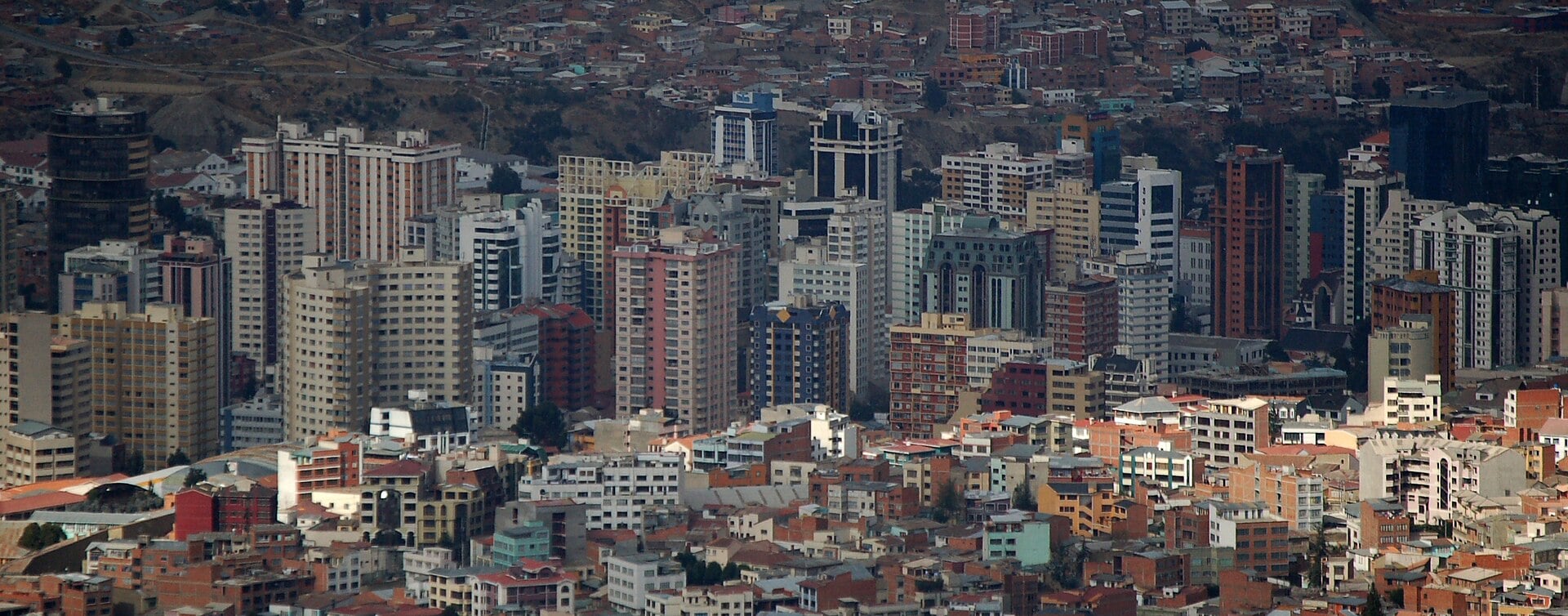
Bolivia IMF agreement sign outside central bank in La Paz
The Banco Central de Bolivia building in La Paz, where officials confirmed the end of the bolsín cambiario on 30 July 2026. (Photo: Internet Reproduction)
One-stop reference
Company Intelligence
Every listed company in Latin America — financials, ownership and structure for 1,450+ companies across 26 exchanges, in one place.
Browse the directory →
RT
Ask Rio Times
Latin American markets, currencies and companies.
Open the full Ask Rio Times →

Bolivia IMF Deal: What It Actually Covers

The Extended Fund Facility is the IMF’s main tool for countries with serious balance-of-payments problems, and Bolivia qualifies on all counts. The country is dealing with falling natural gas exports, a severe shortage of foreign currency and persistent diesel fuel shortages, according to Reuters and official statements.

The US$1.9bn figure is the IMF’s own commitment, not the US$5bn total that some headlines have suggested. That larger number is the expected extra financing from other lenders like the World Bank and the Inter-American Development Bank, which an IMF program typically unlocks.

Think of the IMF deal as a seal of approval; other multilaterals are far more willing to lend when the IMF has signed off on a country’s reforms. The staff-level agreement is a strong signal, not a guarantee, as final approval could take weeks.

Why the Boliviano and Fuel Markets Are Shifting

Bolivia’s crisis did not come from nowhere. Natural gas exports, once the backbone of the economy, have fallen sharply as reserves deplete, resulting in a shortage of dollars that made it hard for importers to pay for fuel and other essentials.

Diesel shortages have been a recurring problem, hitting transport and agriculture hardest. The IMF program is designed to fix these imbalances, but the medicine is bitter: expect fuel subsidies to be phased down, which means higher prices at the pump.

Expect the exchange rate to become more market-driven, which means the boliviano could weaken further against the dollar. For anyone earning in bolivianos and spending in dollars, the trend is clear.

Budget for a weaker currency and higher local prices, while those earning dollars could see opportunities. A more realistic exchange rate makes Bolivian assets cheaper for foreign buyers, from real estate to mining ventures and export businesses, if the reforms hold.

What Investors and Expats Should Watch Next

The IMF program is only the beginning of a longer adjustment. The US$5bn in potential additional financing is contingent on Bolivia meeting program targets, including fiscal consolidation and exchange-rate reforms.

For investors, that means watching three things: the pace of fuel subsidy cuts, the central bank’s intervention policy and the government’s handling of dollar liquidity. Each will signal whether the reforms are real or just paperwork.

For expats, the practical effects are more immediate: if you hold local currency, consider how much you need in the short term and how much you can convert to dollars, and if you run a business, factor in higher input costs and a weaker exchange rate. If you are paid from abroad, your purchasing power in bolivianos will likely rise.

The IMF deal is not a rescue; it is a framework for Bolivia to rescue itself, and the difference is crucial.

There is also the question of timing. The IMF’s Extended Fund Facility typically disburses in tranches, tied to quarterly reviews, so Bolivia will not see the full US$1.9bn at once.

The first disbursement might come within weeks of board approval, but subsequent tranches depend on meeting fiscal targets and structural benchmarks. That means the programme could stall if the government backtracks on subsidy reform or if the central bank resorts to heavy-handed intervention.

For investors, a useful proxy is the central bank’s net international reserves, which have been dwindling; a sustained rebuild would signal credibility, while a continued slide would suggest the old habits are back.

The Bottom Line for Latin America

Bolivia’s IMF breakthrough is a regional signal. It shows that multilateral lenders are willing to support countries that confront hard truths, even if the politics are messy.

For anyone invested elsewhere in Latin America, the lesson is simple: countries that move toward flexible exchange rates and realistic fiscal policy get financed, while those that cling to artificial stability get cut off. Bolivia just chose the first path; the next six months will show whether it can walk it.

The Bolivia IMF story is not over with this staff-level agreement; it is the opening act. The real drama will unfold in the corridors of the central bank and parliament, but for now, the direction is clear: fewer subsidies, a floating boliviano and a more open economy.

That is a profound change for a country that once nationalised its gas industry and railed against the IMF. If the program succeeds, Bolivia could rewrite its economic narrative; if it fails, the consequences could be severe.

Either way, the world is watching.

Frequently Asked Questions

Is the IMF deal final?

No. It is a staff-level agreement announced on 29 July 2026. The IMF Executive Board and Bolivia’s Congress must still approve it.

How much money could Bolivia actually get?

The IMF program itself is US$1.9 billion. Up to US$5 billion in additional financing could come from other multilateral lenders, but only if the program is approved and reforms are implemented.

What happened to the bolsín cambiario?

The traditional fixed exchange-rate mechanism has ended. The central bank now uses a more flexible regime with limited intervention, which means the boliviano will be more market-driven.

Will fuel prices go up?

Very likely. The IMF program typically requires phasing down fuel subsidies. Expect higher diesel and gasoline prices as part of the adjustment.

Sources: International Monetary Fund; Banco Central de Bolivia; Bolivia’s Economy Ministry; Reuters

This article was produced by The Rio Times’ automated newsroom system. How we use AI · Report an error

Read More from The Rio Times

The Rio Times · Power Map
See who really holds power in Latin America
Click to open the Power Map

Rotate for Best Experience

This report is optimized for landscape viewing. Rotate your phone for the full experience.