
BOLIVIA · INFLATION
Key Facts
- October: Consumer prices rose 2.07% from September, up from a 0.85% monthly rise a month earlier.
- Since January: Prices are up 6.03% in the first ten months of 2026.
- Twelve months: Yearly inflation reached 7.08%, up from 5.70% in September.
- Biggest pushes: Bus and minibus fares, onions, potatoes, set lunches, tomatoes and boneless beef.
- Steepest city rise: Potosí rose 3.77% in the month, ahead of Sucre at 3.43%.
- Power Index Bolivia ranks 13th of 14 in The Rio Times Latin America Power Index, with 27.9 points (November 2026 edition).
Bolivia inflation jumped to 2.07% in October, the national statistics institute (INE) said on Thursday 5 November 2026. That is more than double the 0.85% monthly rate recorded in September.
Prices are now 7.08% higher than a year ago, up from 5.70% in September. For US readers, the figures show how fast living costs are rising for travellers and businesses in the Andes.
What the INE Reported
Consumer prices rose 2.07% in October compared with September, according to the INE release dated Thursday 5 November. Since January prices have risen 6.03%, and the rise over the last twelve months is 7.08%.
The INE reports three numbers: the change from the previous month, the change since December, and the change over twelve months. In September those figures were 0.85% for the month and 5.70% over twelve months, according to the Central Bank of Bolivia.
The official exchange rate was 12.00 bolivianos per US$1 on Thursday 5 November, according to the Central Bank of Bolivia. At that rate, one boliviano is worth about 8 US cents.
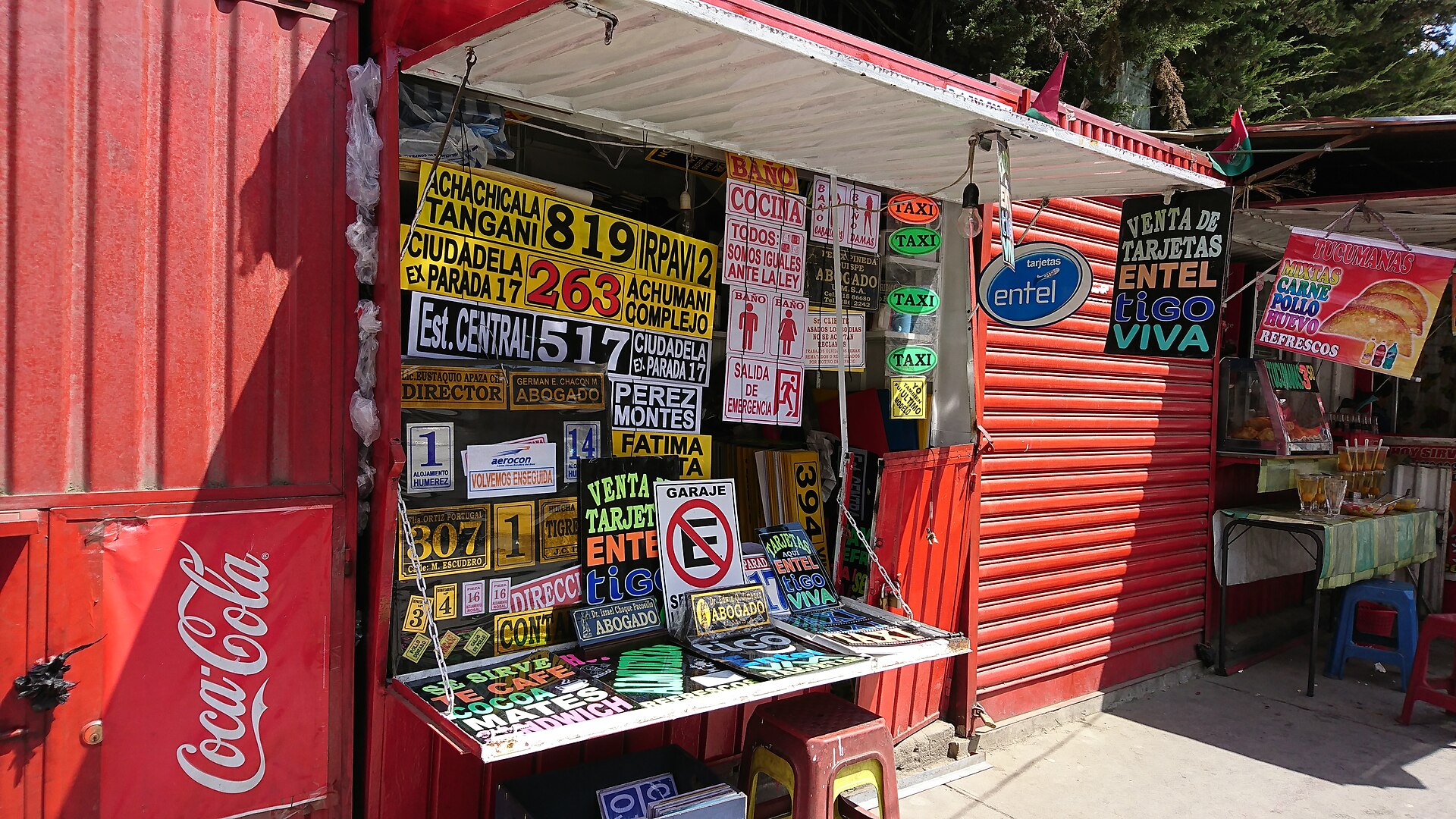
Where Bolivia Inflation Hit Hardest
Potosí recorded the steepest monthly rise at 3.77%, followed by Sucre at 3.43% and Cobija at 3.06%. Tarija rose 2.48% and the Santa Cruz urban area 2.31%.
Trinidad rose 2.07%, the same as the national figure, while the Kanata metropolitan region around Cochabamba rose 2.03%. Oruro rose 1.62% and the La Paz urban area 1.53%.
Potosí and Sucre are two of Bolivia’s main tourist cities, so visitors there faced the biggest price jumps. Santa Cruz, the country’s largest city, rose slightly more than the national average, and La Paz rose least.
What Pushed Prices Up
The INE says the biggest upward pushes came from fares on micro (minibus), bus and shared-van rides called colectivos. Onions, potatoes, set lunches, tomatoes and boneless beef followed.
Some prices fell, including cheeses, green peas, green beans and gas stoves. The INE lists increases in all twelve spending groups, starting with transport, food and non-alcoholic drinks, and household goods.
In Plain English, Who Is Who
The INE, short for Instituto Nacional de Estadística, is Bolivia’s official statistics office and publishes the monthly consumer price index. The index tracks what a typical household pays for a fixed basket of goods and services.
The Central Bank of Bolivia sets the official exchange rate and reports the same price index on its website. A boliviano is the national currency.
What It Means for You
Travellers to Bolivia’s colonial cities should expect higher bus fares and restaurant meals, because transport and set lunches were among the biggest increases. At the official rate of 12.00 bolivianos per US$1, every rise in local prices shows up directly in a visitor’s bill.
Companies and investors with exposure to Bolivia now face a 7.08% yearly rise in consumer prices. Our earlier reports on Bolivia’s September inflation and the central bank’s inflation forecast give the background.
What Is Not Known
How prices move in November is not known. The INE will publish that figure in early December.
More: Latin America news in English, every day from The Rio Times.
Frequently Asked Questions
How high is inflation in Bolivia?
Consumer prices rose 2.07% in October and 7.08% over twelve months, the INE says. Since January they are up 6.03%.
What pushed Bolivian prices up in October?
The INE points first to bus, minibus and colectivo fares, then to onions, potatoes, set lunches, tomatoes and boneless beef. Cheeses, green peas and gas stoves got cheaper.
Which Bolivian cities saw the biggest price rise?
Potosí led with 3.77%, followed by Sucre at 3.43% and Cobija at 3.06%. The La Paz urban area had the smallest rise at 1.53%.
Who publishes Bolivia’s inflation figures?
The INE, Bolivia’s national statistics institute, publishes the consumer price index every month. The October figures came out on Thursday 5 November 2026.
Sources: Instituto Nacional de Estadística (INE) Bolivia, press release on the October 2026 consumer price index, Thursday 5 November 2026; Banco Central de Bolivia, official exchange rate and consumer price index for September 2026, Thursday 5 November 2026.
This article was produced by The Rio Times’ automated newsroom system. How we use AI · Report an error · Editorial responsibility: Matthias Camenzind, Editor-in-Chief
In depth