
BOLIVIA · MINING
Key Facts
- The draft Bolivia’s mining ministry is circulating a 200-article draft code for public consultation.
- Protected areas Existing mining rights stay valid, and new claims need a certificate from the national protected-areas service.
- Wetlands and forests Mining could go ahead in Ramsar wetlands and forest reserves with state authorizations.
- Private money Private firms, including foreign ones, could sign partnership contracts with mining cooperatives.
- Timeline The mining minister wants the code before the legislature by the end of November 2026.
- Power Index Bolivia ranks 13th of 14 in The Rio Times Latin America Power Index, with 27.9 points (November 2026 edition).
The Bolivia mining code draft would allow mining in protected areas, wetlands and forests, as long as miners hold state permits. Mining Minister Marco Antonio Calderón de la Barca wants the text before the legislature by the end of November 2026.
Bolivia holds large lithium deposits and is courting private investors, which is why a new mining rulebook matters beyond its borders. Deputy Cecilia Requena says Indigenous peoples and communities hurt by mercury pollution had no say in writing it.
What the Bolivia Mining Code Would Allow
The ministry calls the text the Code of Mining and Metallurgy, and it runs to 200 articles. It is open to public consultation, and the minister says the comments will help refine it and attract private investment.
Article 154 says mining rights granted before the 2009 Constitution stay valid inside protected areas, and protected status does not cancel them. New claims there need a certificate of compatibility from the National Service of Protected Areas, known as Sernap.
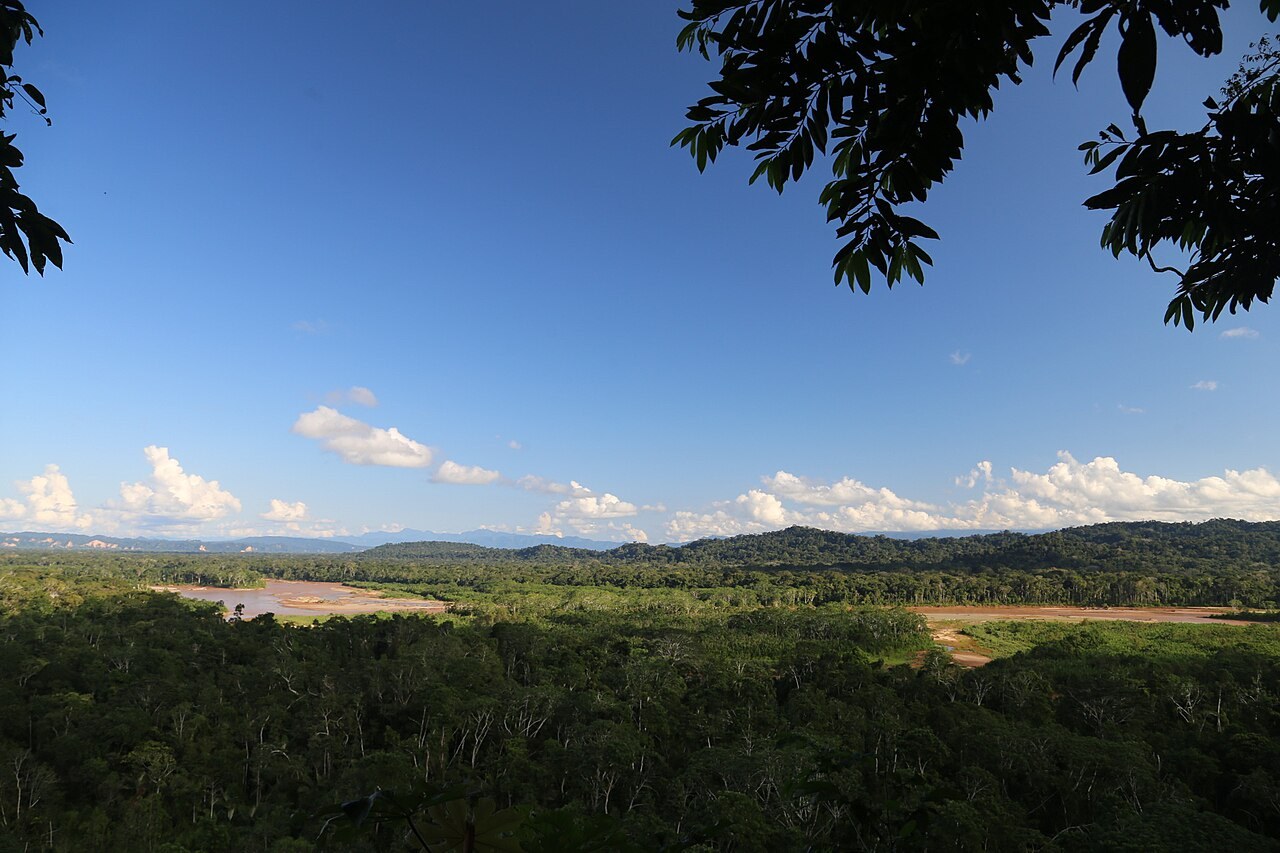
The draft lets miners work in Ramsar sites, wetlands of international importance listed under a 1971 treaty, with a certificate from the state biodiversity office. It also allows mining in forest areas with authorization from the forest and land authority, known as ABT.
Private Money, Cooperatives and Lithium
The draft would let private companies, Bolivian or foreign, sign partnership contracts with mining cooperatives. The text says the cooperatives keep their mining rights and the contracts do not create a joint company.
Bolivia’s current mining law, Law 535 of 2014, restricts cooperatives from such deals. The draft reverses that limit for the groups that run much of the country’s gold mining.
The draft names lithium and potassium in salt flats as priority national resources. It keeps the state company Yacimientos de Litio Bolivianos in charge of the salt-flat projects.
What Critics Say About the Draft
Deputy Cecilia Requena says the draft would let mining spread into protected areas and forests through special Sernap authorizations. She also says it delays the environmental license and drops a multi-sector environmental study that the current law requires.
The draft promises a gradual cut in mercury use in gold mining, with incentives for cooperatives, but sets no deadline. Requena says the text amounts to consolidating the plunder of the country’s natural wealth.
The ministry says it wrote the draft with more than 140 specialists and 40 institutions. It adds that contracts for strategic areas, fiscal reserves, radioactive minerals and large projects would still need approval from the legislature.
Where the Code Goes Next
Minister Calderón said on Wednesday 4 November 2026 that public meetings begin in the second week of November, from Potosí to El Alto. He expects the code to reach the Plurinational Legislative Assembly by the end of the month.
The draft grew out of a national mining summit in July, which we covered in our report on the La Paz summit. Its environmental stakes are visible in the court order for a plan to repair rivers hit by gold mining.
In Plain English, Who Is Who
Sernap is Bolivia’s National Service of Protected Areas. The ABT is the state authority that oversees forests and land.
Mining cooperatives are member-owned groups that run many of Bolivia’s gold mines, and they are a strong political force. Ramsar sites are wetlands of international importance listed under a 1971 treaty.
Yacimientos de Litio Bolivianos, or YLB, is the state lithium company. The draft would create a National Mining Authority, known as ANM, to grant and oversee mining contracts.
What It Means for You
The draft keeps lithium under state control while inviting private partners into other mining, a signal for US investors in critical minerals and gold. The text is still open to change, so no new rules apply yet.
For US companies, the main questions are who may sign contracts and how long approvals take, and both would change under this draft. Buyers of Bolivian gold may also face closer questions about mercury and protected land.
What Is Not Known
The final text may change after the public meetings, and lawmakers can amend it. The ministry has not said when the Assembly would vote.
It is not known how many mining rights already exist inside protected areas. It is also unclear how often new claims there would be approved in practice, since the draft leaves the details to later rules.
More: Latin America news in English, every day from The Rio Times.
Frequently Asked Questions
Does the draft ban mining in Bolivia’s protected areas?
No. It recognizes existing mining rights and allows new claims with a compatibility certificate from Sernap.
Who could partner with mining cooperatives?
Private companies, Bolivian or foreign, could sign association contracts with cooperatives. The text says the cooperatives keep their mining rights.
When will lawmakers vote on the mining code?
The minister hopes to send the code to the Assembly by the end of November 2026. No vote date has been set.
What does the draft say about mercury?
It promises a gradual reduction of mercury in gold mining, with incentives for cooperatives. It sets no deadline.
Sources: Bolivian Ministry of Mining and Metallurgy, draft Código de Minería y Metalurgia (public consultation site), 5 November 2026; Ministry of Mining and Metallurgy, statements by Minister Marco Antonio Calderón de la Barca and legal director Álvaro Herbas, 4-5 November 2026; Plurinational Legislative Assembly, statement by Deputy Cecilia Requena, 5 November 2026.
Editorial responsibility: Matthias Camenzind, Editor-in-Chief · Editorial standards · Report an error