
BOLIVIA · POLITICS EXPLAINED
Key Facts
- The country Bolivia is a landlocked Andean nation led by President Rodrigo Paz, whose party lacks a majority in Congress.
- Power Index Bolivia ranks 12th of 14 in The Rio Times Latin America Power Index, with 28.4 points (October 2026 edition).
- What happened On Friday 30 October 2026 the Chamber of Deputies re-elected its president amid shouting and shoving.
- The dispute Legislators from four blocs say no clear vote was counted and plan to challenge the result.
- Why it matters The chamber’s president runs its agenda, and the government needs this chamber to pass its laws.
Bolivia’s legislative crisis began on the night of Friday 30 October 2026, when the Chamber of Deputies re-elected its president. Roberto Castro of the Christian Democratic Party (PDC), the party of President Rodrigo Paz, was declared the winner after hours of delay and shoving.
Our news report on the vote covers the night itself, and this guide explains the legislative crisis behind it. It answers who sits in the chamber, how its leaders are chosen and why the post matters for governing Bolivia.
What Happened on 30 October
The session to choose the chamber’s leaders was called for Friday afternoon and ran hours late. It resumed around 9:30 p.m. local time, with Castro and other deputies arguing at the speaker’s platform.
Up to 12 people then crowded around the lectern, pushing and shouting, as a secretary read out a list of names. Castro declared the new leadership team approved and said it would be sworn in on Thursday 5 November.
No vote count was announced, and the chamber’s broadcast did not show a vote taking place. The seven-member team has two members of Castro’s own party, two from the Unidad alliance and three from the Libre alliance.
Legislators from Libre, the PDC, Alianza Popular and Autonomía para Bolivia-Súmate said afterward that they reject the result and will challenge it. Some of them called the vote an assault on democracy.
PDC deputy Manolo Rojas replied that deputies approved the slate by a show of hands. He said more than two thirds were in favor but had no record of the exact number.
Who Holds the Seats in the Chamber
No party has a majority in the 130-seat chamber, according to the electoral authority’s official results from the election of 17 August 2025. The PDC, Paz’s party, is the largest group with 49 seats.
Libre, an alliance led by former president Jorge “Tuto” Quiroga, holds 39 seats, and Unidad, an alliance led by businessman Samuel Doria Medina, holds 26. Alianza Popular has 8 seats and Súmate has 5.
The Movement for Socialism (MAS) of former president Evo Morales has 2 seats, and one independent indigenous representative holds the last. A simple majority of 130 is 66 seats, so the PDC needs at least one large partner for anything contested.
Every bloc therefore has a say over who leads the chamber. The blocs do not vote as solid units in this legislative crisis.
PDC members stand on both sides, and Libre members hold three leadership posts even though other Libre legislators reject the result. The split runs through the blocs rather than between them.
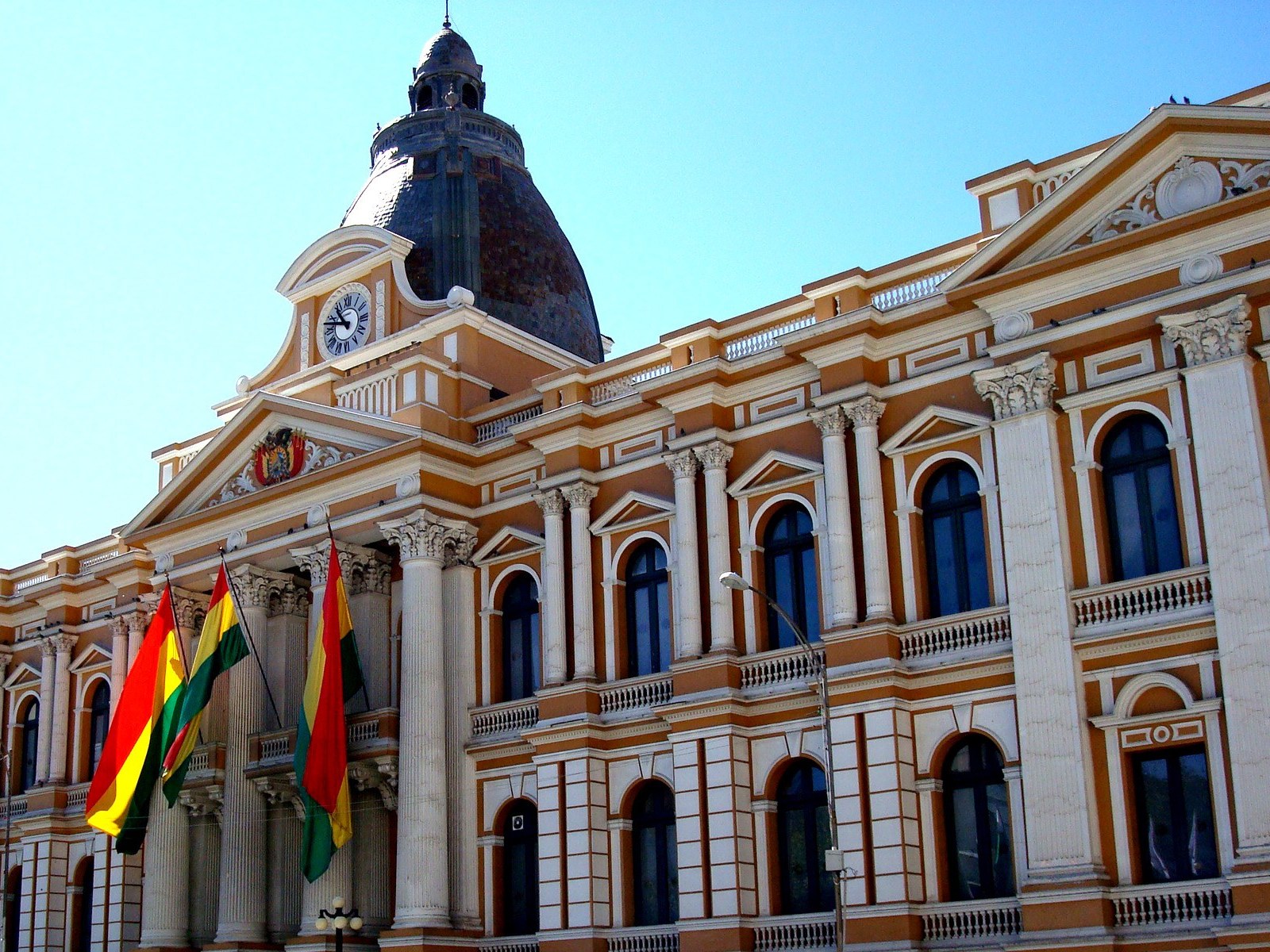
How the Chamber Picks Its Leaders
The chamber’s own rulebook, the General Rules of the Chamber of Deputies, says its members elect the leadership team for each legislature. A legislature is the chamber’s one-year working period, and the vote needs an absolute majority of those present.
The team has one president, two vice presidents and four secretaries, and the rules ask for a balance between women and men. The president, the first vice president and the first and second secretaries go to the majority bloc.
The second vice president and the third and fourth secretaries go to the minority bloc. Where possible, the rules call for a slate agreed in advance between the two blocs.
Votes are personal and can be taken by show of hands, roll call, electronic count or ballot. A deputy who disputes the presiding officer’s announced result can ask for the vote to be verified if five deputies back the request.
What the Chamber President Controls
The president speaks for the chamber and opens, runs, suspends and closes its full sessions. He sets the agenda for the next session and decides which committee receives each bill.
He announces what is being voted on, proclaims the result and signs the chamber’s resolutions. The first secretary counts show-of-hands votes, but the president declares the outcome.
He can also send a formal complaint to the government when a ministry ignores a written request for information from deputies for 15 days. He also chairs the coordination meetings with the heads of the party caucuses.
The post also sits in the line of succession for the Assembly’s top job. Vice President Edmand Lara presides over the full Assembly, and the Senate president and then the Deputies president stand in when he is absent.
Why the Legislative Crisis Matters for Governing Bolivia
Bolivia is in its worst economic crisis in about four decades, with fuel shortages and high inflation. The Paz government needs laws from this chamber, which is why the legislative crisis matters.
On Thursday 17 September 2026 the chamber passed the law behind a US$1.9 billion loan from the International Monetary Fund (IMF). The Senate followed a day later, and the IMF is the global lender that backs countries in financial trouble.
The bill cleared the chamber with more than two thirds of the deputies present, a margin that takes several blocs voting together. A chamber divided over its own leadership can make that kind of cross-bloc deal harder to repeat.
Legislators have also shown they can act against the government. On Tuesday 18 August 2026 the Assembly voted 91 to 34 to censure Economy Minister José Gabriel Espinoza, and Paz removed him on 21 August.
That makes the legislative crisis more than a procedural quarrel. Our guide to who holds power in Bolivia maps the players behind these votes.
What It Means for US Readers
For US investors, the immediate effect of the legislative crisis is small, but this chamber is where the Paz economic program must pass. A leadership that opponents call illegitimate raises the risk of delays, court challenges and stalled bills.
Think of it as a fight over the Speaker of the US House, except that here the count of the vote itself is disputed. Travelers should check the State Department’s travel advisory for Bolivia before any trip.
Investors should watch the first contested bill of the new legislature, since the Paz economic program has to pass this chamber. Nothing in the dispute so far has changed the government’s authority or the country’s finances.
What Happens Next
The new leadership team is due to be sworn in on Thursday 5 November 2026, according to the announcement made in the chamber. The opposing legislators say they will use legislative and legal routes to contest the result.
The next real test of the legislative crisis is the first contested bill of the new legislature. If the blocs cannot agree on how the chamber is run, the government’s economic agenda is the first thing to slow down.
What Is Not Known
The number of deputies who backed the slate has not been published. It is also not clear whether any legislative body or court can overturn the result, or how long a challenge would take.
It is not yet known whether the swearing-in on 5 November will go ahead as announced. How the Paz government will deal with a chamber whose leadership is disputed has not been stated.
More: Bolivia news in English, every day from The Rio Times.
Frequently Asked Questions
What is Bolivia’s legislative crisis?
The legislative crisis is a dispute over the leadership of Bolivia’s Chamber of Deputies after a chaotic vote on 30 October 2026. Several blocs say no clear count took place when Roberto Castro was declared president.
Who is Roberto Castro?
Roberto Castro is a deputy of the Christian Democratic Party (PDC), President Rodrigo Paz’s party. He led the chamber in the past year and was declared its president again for the 2026-2027 legislature.
How is the chamber’s leadership chosen?
Deputies elect a president, two vice presidents and four secretaries by absolute majority of those present. The president and three other posts go to the majority bloc, and the rest to the minority bloc.
What does the chamber president control?
The president runs plenary sessions, sets the agenda, sends bills to committees and proclaims vote results. He also speaks for the chamber and chairs meetings with the party caucus leaders.
Can the result be challenged?
Under the chamber’s rules, a deputy who disputes an announced vote can ask for verification if five deputies agree. Opposition legislators also say they will pursue legal challenges, but the route is not yet clear.
Sources: Cámara de Diputados de Bolivia, Reglamento General (Articles 4, 15, 33 to 39, 105 to 110), 2024; Constitución Política del Estado Plurinacional de Bolivia, 2009; Órgano Electoral Plurinacional, official results of the general election of 17 August 2025 (as published 26 August 2025), 26 August 2025; Cámara de Diputados de Bolivia, official website, 31 October 2026.
This article was produced by The Rio Times’ automated newsroom system. How we use AI · Report an error · Editorial responsibility: Matthias Camenzind, Editor-in-Chief
In depth