
BOLIVIA · POLITICS
Key Facts
- The country Bolivia, where the lower house of Congress elects its leadership board every year.
- Power Index Bolivia ranks 12th of 14 in The Rio Times Latin America Power Index, with 28.4 points (October 2026 edition).
- What happened Roberto Castro was declared president of the lower house again on Friday 30 October 2026.
- The dispute Opposition deputies say no vote was counted; a governing-party deputy says hands were raised.
- What is next The new board is due to be sworn in on Thursday 5 November 2026.
The Bolivia Chamber of Deputies declared Roberto Castro its president again on Friday 30 October 2026 after a session that ended in shouting and shoving. Opposition lawmakers say no vote was counted, so the result is in dispute.
For US readers, the fight matters because President Rodrigo Paz needs a working Congress to pass his bills. The lower house is starting its new year in turmoil, and our explainer on Bolivia’s legislative crisis shows why the chamber’s leadership matters.
In Plain English
Bolivia’s Congress has two houses, the Senate and the Chamber of Deputies, and together they are called the Plurinational Legislative Assembly. The Bolivia Chamber of Deputies is the lower house, and its president runs the sessions and sets the agenda.
Every year the deputies elect a board, called the directiva, with a president, two vice presidents and four secretaries. The 2025-2026 legislative year has ended, and the new board is meant to lead the chamber through 2026 and 2027.
What Happened in the Bolivia Chamber of Deputies
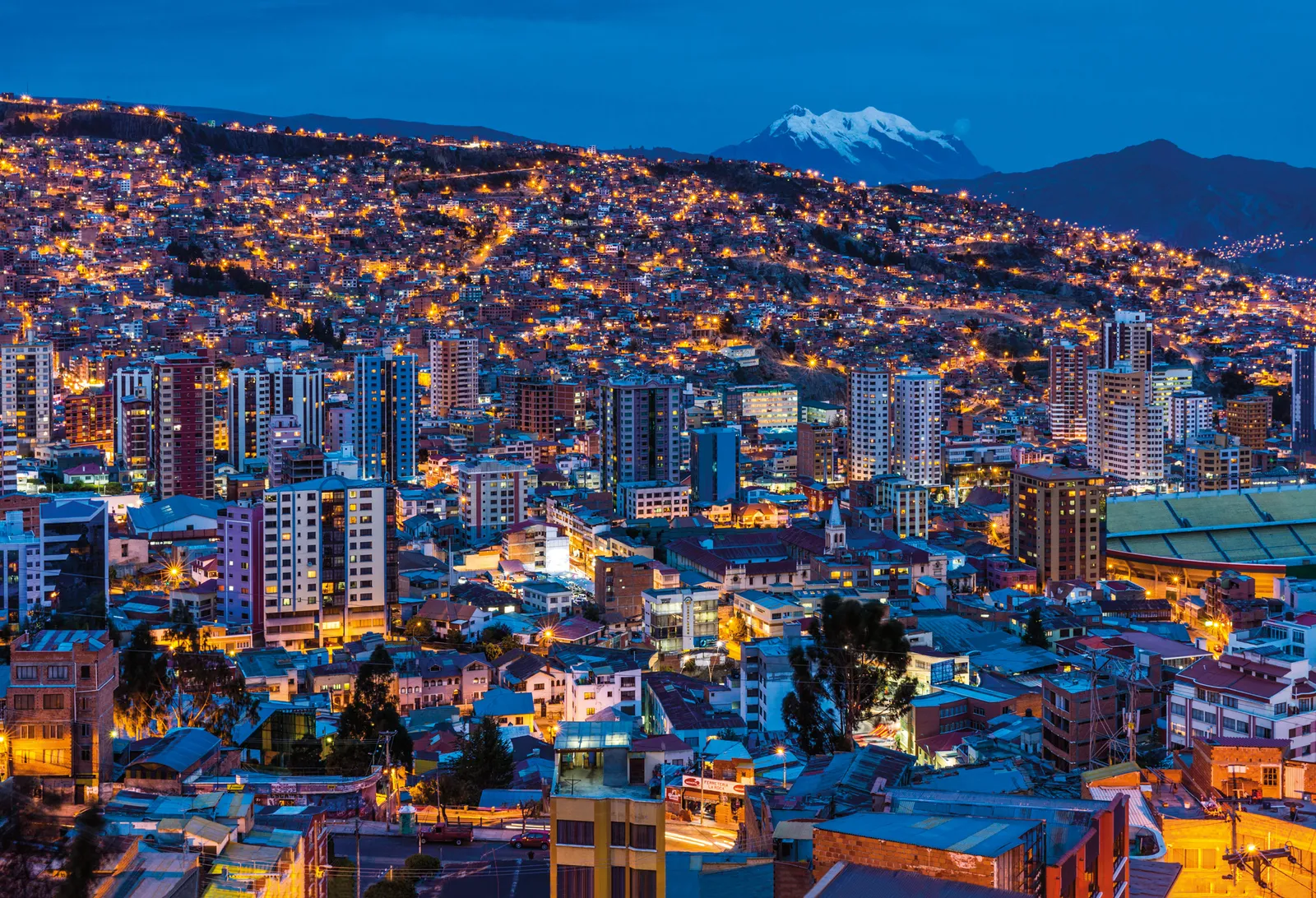
The session to elect the new board was called for Friday 30 October in La Paz, and it started hours late. After a recess it reopened at about 9:30 in the evening local time.
When it resumed, Castro declared the session open, and José Maldonado of the Libre bloc began reading a list of candidates. About a dozen deputies crowded around the stand, pushing and shouting.
A secretary then read the names while the shouting went on. Castro said the board for 2026-2027 was formed, announced that it would be sworn in on Thursday 5 November, and closed the session.
The chamber’s own broadcast did not show a vote or a count of supporters. Castro was already the sitting president, so the Bolivia Chamber of Deputies keeps the same leader.
Who Is Roberto Castro
Roberto Julio Castro Salazar leads the Bolivia Chamber of Deputies as a deputy for the Christian Democratic Party (PDC), the party of President Paz. He was first elected president of the chamber at the start of the 2025-2026 term, when 120 of the 121 deputies who voted backed him.
In October, PDC deputy Sandra Rivero accused him of using travel money and staff to buy support and pointed to cases of alleged nepotism. She said she had taken evidence to the state comptroller and anti-corruption offices.
Who Challenged the Result
After the session, deputies from four blocs, among them Libre and the PDC, said they did not recognise the result. They promised legal and parliamentary challenges.
Deputy Lissa Claros said the blocs had reached a consensus with Castro and were never allowed to get to a vote. Deputy Ricardo Rada, who had hoped to run for the post, asked who had counted the votes and demanded a repeat election.
Deputy Manolo Rojas of the PDC defended the process, saying the board passed by a show of hands with more than two thirds in favour. He conceded he had no record of the exact number.
The New Bolivia Chamber of Deputies Board
The list read aloud names Castro as president, Álvaro Casazola as first vice president and Nathaly Tovias as second vice president. The four secretaries named were Marlene Miranda, Khaline Moreno, José Maldonado and Roger Blanco.
The chamber’s rules, as read aloud in the session, give the presidency, first vice presidency and first two secretaries to the majority bloc. The dispute is over whether a vote ever confirmed that bloc.
What It Means for US Readers
President Paz’s government has just sent its 2027 budget to the legislature, and most of its plans need votes in both houses. A contested lower house can slow bills and give opponents a reason to refuse to cooperate.
Investors and diplomats following Bolivia will watch whether the challenge stays inside the legislature or reaches the courts. Nothing so far has changed the government’s authority or the country’s finances.
What Is Not Known
The new board is due to be sworn in on Thursday 5 November, and the board is to issue the call. Four blocs say they will challenge the result through legal and parliamentary routes.
No official count of support in the Bolivia Chamber of Deputies has been released, so how many deputies backed the board is not stated. Rojas said more than two thirds raised their hands, but no tally has been shown.
More: Bolivia news in English, every day from The Rio Times.
Frequently Asked Questions
Who leads the Bolivia Chamber of Deputies?
Roberto Castro of the PDC, declared president for 2026-2027 on 30 October 2026. He has held the post since the start of the 2025-2026 term.
Was there a vote?
That is the dispute. Opposition deputies say no vote was counted, while a PDC deputy says the board was approved by a show of hands.
What happened during the session?
Deputies crowded the speaker’s stand and shouted and pushed while the board was read out. Castro then closed the session.
What happens next?
The new board is due to be sworn in on Thursday 5 November 2026. Four blocs say they will challenge the result.
Does this affect Bolivia’s government?
Not directly, because President Rodrigo Paz stays in office. A contested Bolivia Chamber of Deputies can, however, complicate passing his government’s bills.
Sources: Cámara de Diputados de Bolivia, official website and session broadcast (30 October 2026), 30 October 2026; Plurinational Legislative Assembly of Bolivia, institutional information, 31 October 2026.
This article was produced by The Rio Times’ automated newsroom system. How we use AI · Report an error · Editorial responsibility: Matthias Camenzind, Editor-in-Chief