Brazil · Business
Key Facts
—Total credit line R$8 billion (~US$1.48 billion) from BNDES, available until December 2026
—Eligible airlines Azul, Gol, Latam (up to R$2.5 billion each) and Abaete (up to R$80 million)
—Loan terms Up to 60-month financing with a 12-month grace period on principal repayment
—Funding source FNAC, Brazil’s National Civil Aviation Fund
—Purpose Working capital to maintain liquidity against high jet-fuel costs linked to Middle East conflict
BNDES airline credit totaling R$8 billion (~US$1.48 billion) was announced on July 30, 2026, by Brazil’s national development bank to keep the country’s largest carriers airborne through a period of elevated jet-fuel prices.
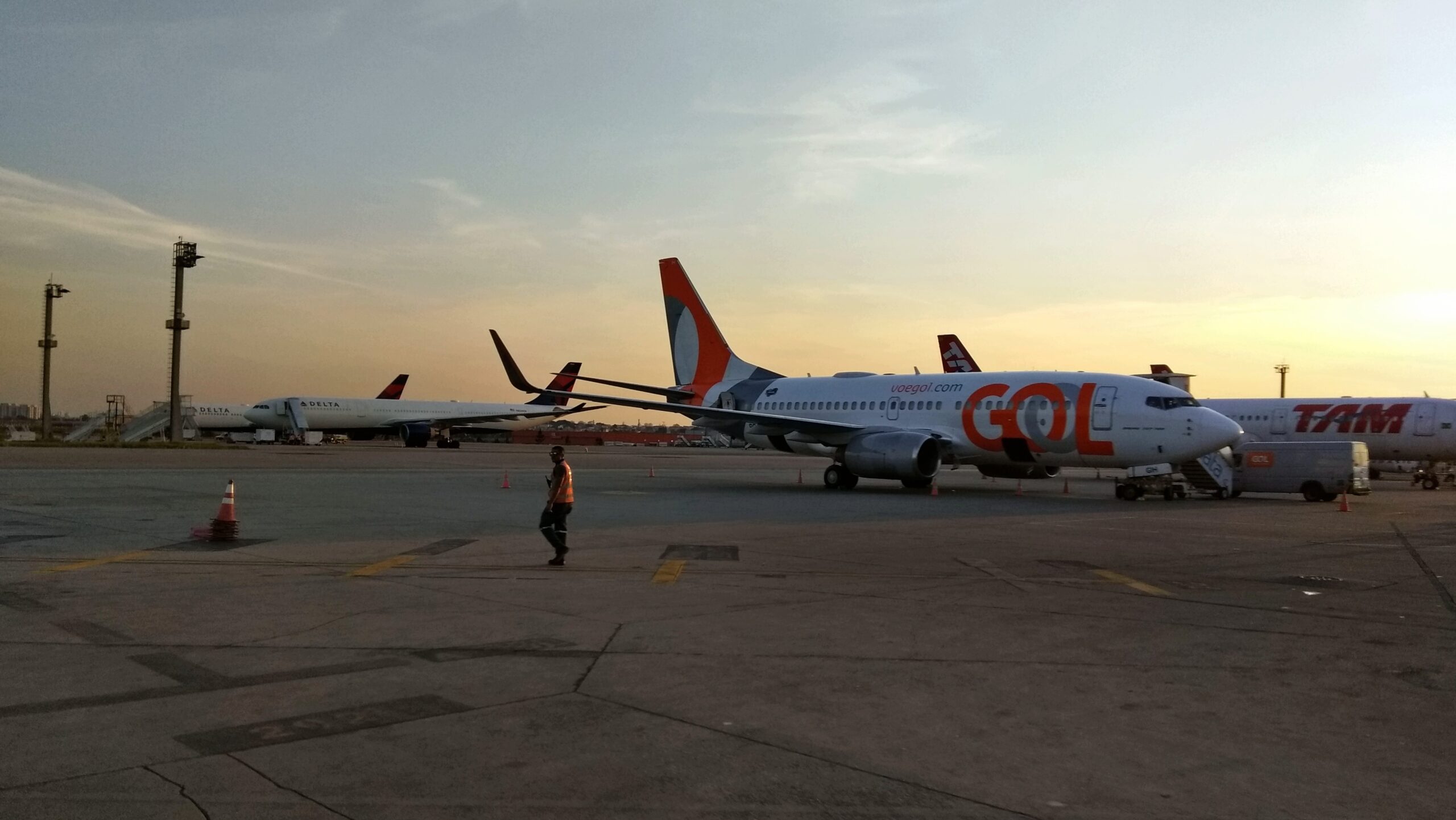
What the BNDES Airline Credit Covers
The Brazilian Development Bank, known as BNDES, structured the facility as a working-capital credit line. It is designed to inject immediate liquidity into airlines facing a cash squeeze.
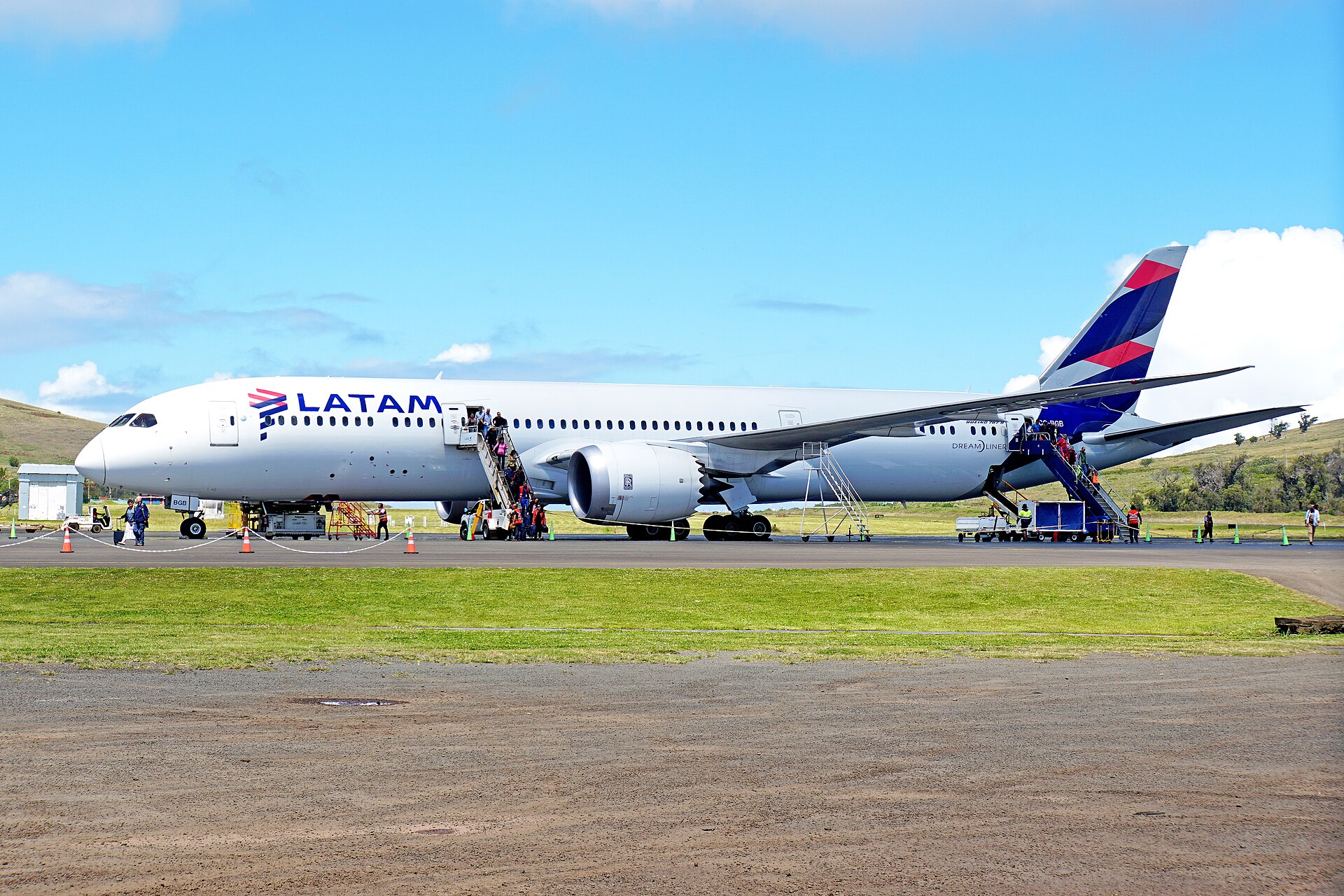
Four carriers were authorized to draw on the funds: Azul, Gol, Latam and the regional operator Abaete. The credit window remains open until December 2026.
Azul, Gol and Latam can each borrow up to R$2.5 billion (~US$463 million). Abaete, a smaller carrier based in Minas Gerais state, has a separate limit of R$80 million (~US$15 million).
The financing carries a term of up to 60 months. Borrowers receive a grace period of up to 12 months before they must begin repaying the principal.
Why Foreign Investors Should Care
For international investors holding Brazilian airline stocks or bonds, the BNDES airline credit reduces near-term bankruptcy risk. It gives carriers a state-backed buffer to absorb fuel shocks without immediately diluting equity.
Brazil’s airline sector is a key barometer of domestic consumption. Stable operations at Azul, Gol and Latam support the broader economy, which matters for anyone exposed to Brazilian equities or the real.
The credit line is funded by the National Civil Aviation Fund, or FNAC. This means the government is deploying sector-specific reserves rather than tapping general tax revenue, a detail credit analysts watch closely.
The terms are notably favorable. A 60-month repayment window with a 12-month principal holiday gives airlines time to rebuild cash flows before debt service kicks in.
Fuel Costs and the Middle East Link
Jet-fuel prices have been volatile since the Middle East conflict escalated. For Brazilian carriers, fuel can represent over 30% of operating costs, making them highly sensitive to global crude swings.
The BNDES explicitly cited high jet-fuel costs tied to the Middle East as the reason for the intervention. The credit acts as a shock absorber while airlines adjust fares and capacity.
Brazil’s government had already signaled deeper support. On June 9, 2026, it reserved an additional R$5.565 billion (~US$1.03 billion) from the FNAC for a long-term financing line for the sector.
Together, these measures represent a coordinated public-policy response to an external supply shock. Foreign travelers should expect Brazilian carriers to maintain route networks that might otherwise have been cut.
What Travelers Need to Know
For expats and foreign tourists, the BNDES airline credit means a lower probability of abrupt flight cancellations or carrier insolvencies in the short term. The three largest airlines now have a public liquidity backstop.
Ticket prices may still rise. The credit line covers working capital, not a fuel subsidy.
Airlines remain exposed to the underlying cost of kerosene and will pass some of that through to fares.
Abaete’s inclusion is notable for regional connectivity. The Minas Gerais-based airline serves smaller routes that larger carriers often abandon.
Its R$80 million limit helps preserve access to interior destinations.
Travelers holding tickets or vouchers with Azul, Gol or Latam can take comfort that the Brazilian government views these carriers as strategically important and is willing to deploy significant resources to keep them flying.
BNDES Airline Credit in Context
BNDES has a long history of stepping in during crises. During the pandemic, it provided similar liquidity lines to airlines, though the scale of this R$8 billion package reflects the severity of the current fuel shock.
The bank is Brazil’s primary development finance institution. Foreign investors often track its disbursements as a signal of government priorities and potential market distortions.
Unlike outright bailouts, this credit line must be repaid. The 60-month term suggests policymakers expect fuel prices to normalize within a five-year window, allowing airlines to service the debt from operating cash flows.
The FNAC, created from aviation-specific levies, gives the program a dedicated funding source. This insulates the credit line from broader fiscal debates in Brasilia, making it more resilient to political shifts.
Risks and Limitations
The credit line does not solve the underlying problem. If jet-fuel prices remain elevated beyond 2027, airlines could face a refinancing wall when principal payments begin after the grace period.
Each carrier’s borrowing limit is capped. For context, Azul reported operating expenses of several billion reais annually.
The R$2.5 billion cap provides a cushion, not a cure.
Currency risk compounds the challenge. Jet fuel is priced in US dollars, while much of the airlines’ revenue is in Brazilian reais.
A weaker real, currently around 5.4 per dollar, magnifies the fuel-cost burden.
Investors should monitor airline quarterly filings for drawdown amounts. Heavy usage of the BNDES airline credit will signal persistent cash burn and could pressure equity valuations despite the state support.
Frequently Asked Questions
Which airlines can access the BNDES airline credit?
Four carriers are authorized: Azul, Gol and Latam can each borrow up to R$2.5 billion (~US$463 million), while regional airline Abaete has a limit of R$80 million (~US$15 million).
Is this a bailout or a loan?
It is a working-capital credit line that must be repaid. Terms include up to 60 months for repayment and a 12-month grace period on principal, funded by Brazil’s National Civil Aviation Fund.
Will this lower airfares in Brazil?
Not directly. The credit line provides liquidity to cover operating costs, but it is not a fuel subsidy.
Airlines still face high jet-fuel prices and may pass those costs on to travelers.
Read More from The Rio Times