Bachelet UN Bid: Former Foreign Ministers Blame Kast, Cite US Snub
Chile · Politics
Key Facts
- —What happened Eleven former Chilean foreign ministers and deputy ministers said on 21 September 2026 that Kast’s government damaged the Bachelet UN bid.
- —Who signed Seven former foreign ministers, including José Miguel Insulza and Heraldo Muñoz, plus four former deputy foreign ministers.
- —What they say about Washington The US ambassador to the UN refused to meet Bachelet, they say, and a Brazilian-Mexican request went unanswered.
- —The catch On 8 September, US ambassador to Chile Brandon Judd told CNN Chile that Washington had not said it would veto her.
- —The government’s line The Foreign Ministry said on 19 September that it dropped Chile’s sponsorship in March over the spread of regional candidates.
- —Why Washington counts Any of the five permanent Security Council members, including the United States, can veto a Secretary-General nominee.
Eleven former senior officials of Chile’s Foreign Ministry say the government’s March decision to drop the former president hurt her campaign. They also say Washington refused to meet her.
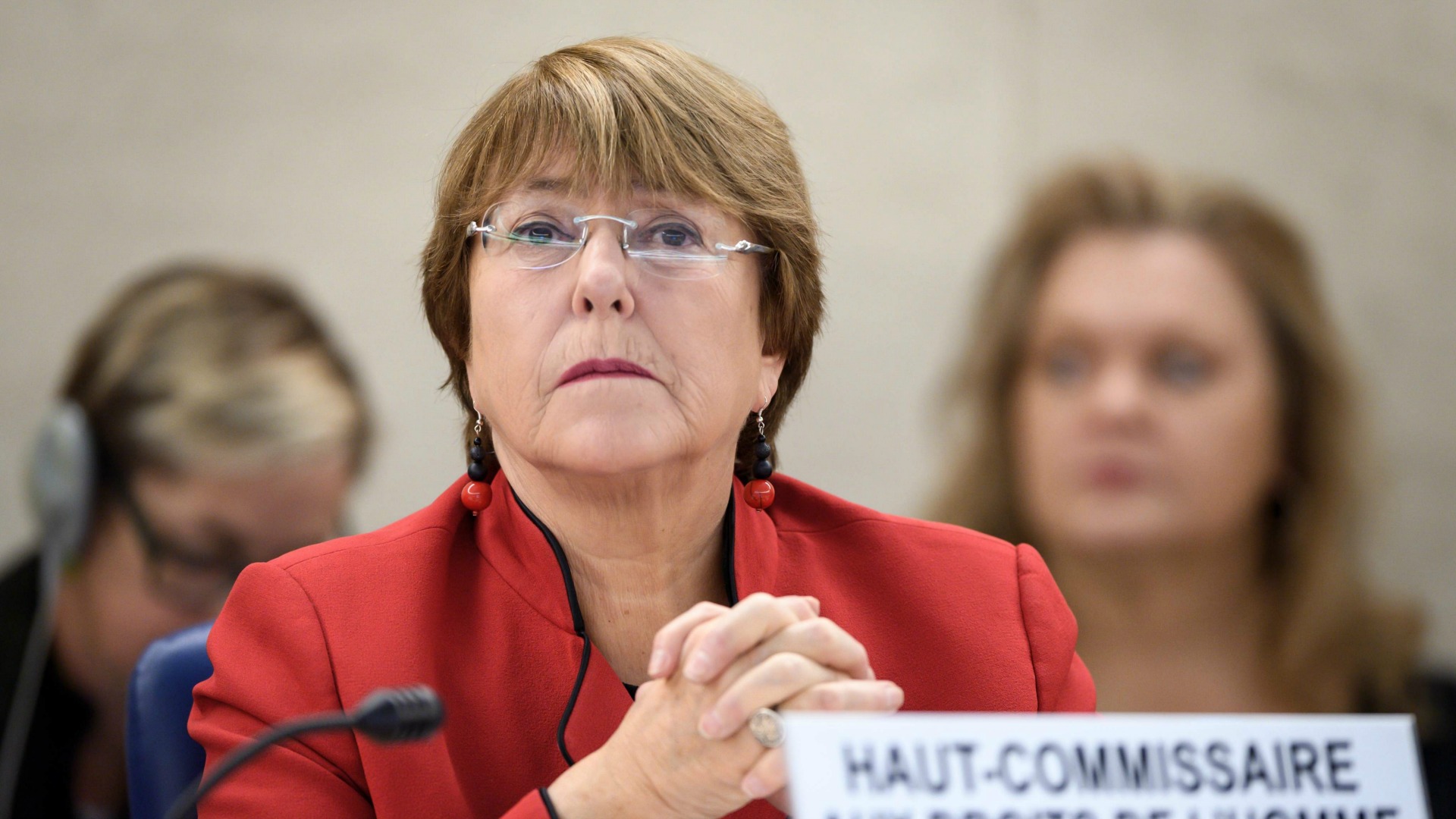
Seven former Chilean foreign ministers and four former deputy ministers blame President José Antonio Kast’s government for damaging the Bachelet UN bid. Their joint statement, released on Monday 21 September 2026, also says Washington refused to meet the former president.
Michelle Bachelet, twice Chile’s president and a former UN human rights chief, quit the race for UN Secretary-General on Saturday 19 September. The signatories hold Kast, in office since 11 March 2026, responsible for weakening it.
They also describe the American refusal to receive her as “very significant”. The dispute follows Kast to New York, where he is making his debut at the UN General Assembly this week.
Who signed, and what they said
The former foreign ministers served centre-left and left-wing governments across three decades. José Miguel Insulza and Juan Gabriel Valdés held the post under Eduardo Frei Ruiz-Tagle in the 1990s.
Ignacio Walker served under Ricardo Lagos, while Mariano Fernández and Heraldo Muñoz served in Bachelet’s own two governments. Antonia Urrejola and Alberto van Klaveren were foreign ministers under Gabriel Boric, Kast’s left-wing predecessor.
The four former deputy foreign ministers are Cristián Barros, Gloria de la Fuente, Ximena Fuentes and Edgardo Riveros. All eleven supported the candidacy, and Valdés worked on her UN campaign, according to the Santiago radio station Cooperativa.
Their harshest words were for Kast’s decision in March to withdraw Chile’s sponsorship. They called it “an inexplicable and unprecedented act” that “will go down in the annals of Chile’s diplomatic history”.
“The withdrawal of the Chilean government’s support represented a hostile gesture that caused evident damage to the candidacy,” the statement says. It adds that the move created doubts in countries that had shown interest in backing her.
“For the first time in the UN’s 80-year history, a Chilean woman had a real chance of leading the organisation,” they wrote. “If that did not happen, responsibilities must be established.”
The claims about Washington
The signatories say senior officials of every permanent Security Council member received Bachelet, except those of the United States. The other four permanent members are China, Russia, the United Kingdom and France.
The foreign ministers of Brazil and Mexico asked in writing for a senior Trump administration official to receive her, the statement says. That request “was not even answered,” the former ministers wrote.
They also say the US ambassador to the UN interviewed most candidates but refused Bachelet a meeting. “We consider these facts very significant,” they added.
The statement does not say that the United States vetoed or voted against her. No US response to Monday’s statement has been reported.
On 8 September the US ambassador to Chile, Brandon Judd, told CNN Chile that Washington had not said it would veto her. He said it was still weighing her candidacy.
“No. We have not said that we are going to veto her,” Judd told the interviewer Mónica Rincón. Kast’s view would be taken into account but would not decide the matter, he added.
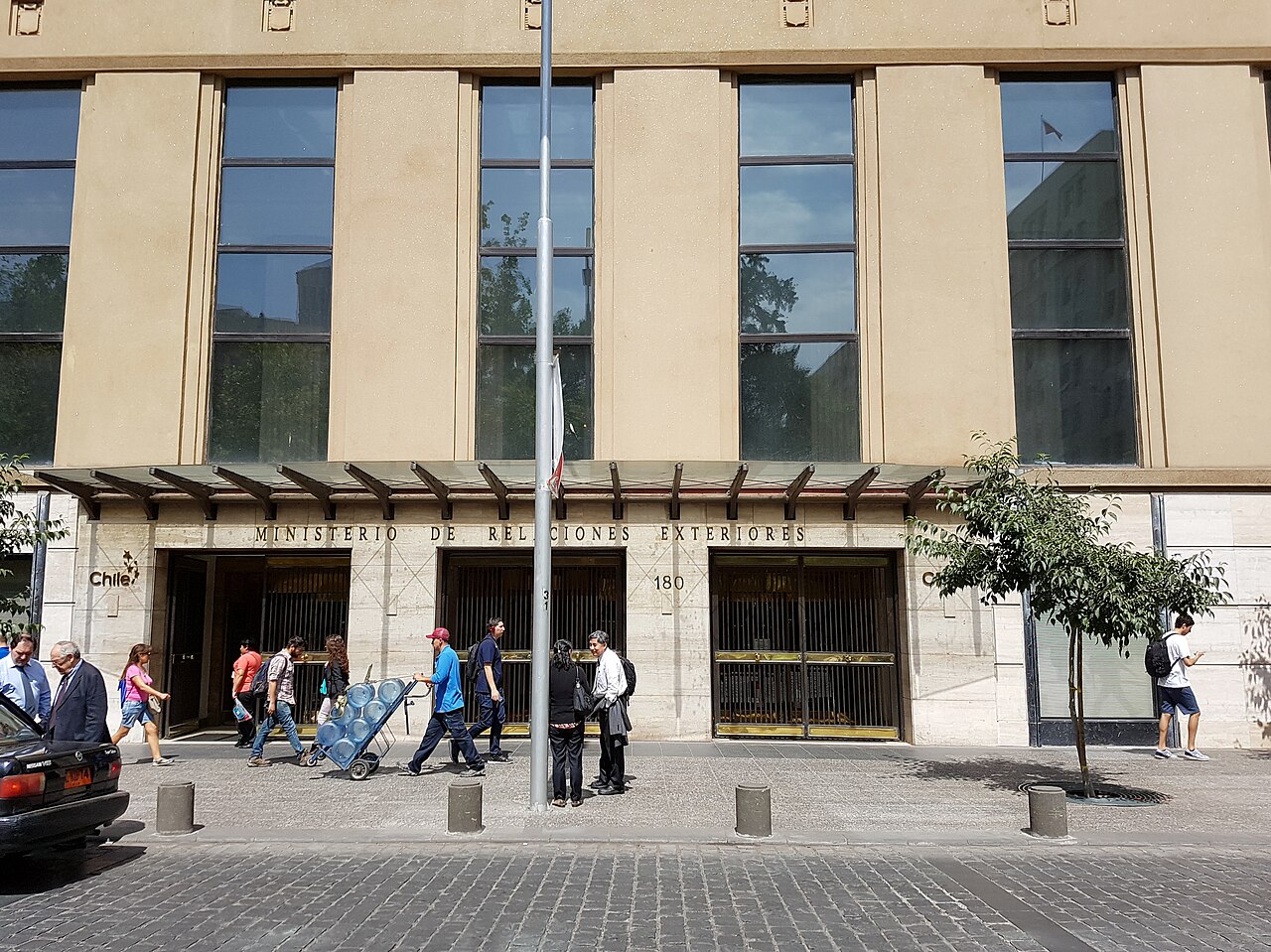
Insulza, a former secretary general of the Organization of American States, went further in an interview with the news site El Mostrador. He asked whether Kast had discussed the candidacy with President Donald Trump before dropping it.
“Or did they decide to do the United States a favour by withdrawing the candidacy to avoid vetoes?” Insulza asked. He put it as a question, and no such contact has been reported.
The government’s answer
No government reply to Monday’s statement had been reported at the time of writing. Its position is on the record, however.
On Saturday 19 September the Foreign Ministry said it “takes note” of Bachelet’s decision. The same written statement defended the March withdrawal.
As its reasons, it cited “the dispersion of candidates in the region and its impact on the chances of success”. It added that Chile had not committed its support to any rival candidate since.
The foreign minister is Francisco Pérez Mackenna, in office since 11 March 2026. He is accompanying Kast to New York for the General Assembly.
Kast answered his critics over the Bachelet UN bid on Cooperativa radio on 31 August 2026. He said “certain former ambassadors” blamed him, adding: “I think the main people responsible are themselves.”
How the campaign unravelled
Chile, Brazil and Mexico jointly nominated Bachelet on 2 February 2026, under Boric. Kast’s government announced on Tuesday 24 March that it was withdrawing Chile’s nomination.
A UN letter dated 25 March confirmed that she remained a candidate of Brazil and Mexico alone. Kast said at the time that he had foreseen “the result was not going to be the one sought”.
The 15-member Security Council then held three secret straw polls, in which members encourage, discourage or give no opinion. Unofficial, unconfirmed tallies published by 1 for 8 Billion, a campaign group monitoring the race, show her support falling each time.
She drew six encouragements, five discouragements and four no-opinions on 30 July, according to the group. On 21 August the figures were two, six and seven.
On Friday 18 September she received one encouragement, 11 discouragements and three no-opinions. Costa Rica’s Rebeca Grynspan led that round with nine encouragements.
Bachelet withdrew the next day, thanking Brazil’s Luiz Inácio Lula da Silva and Mexico’s Claudia Sheinbaum. “I do not regret having taken on this great challenge,” she wrote on social media.
Why Washington’s view matters
Under the UN Charter, the General Assembly appoints the Secretary-General on the Security Council’s recommendation. That recommendation needs nine votes and the concurrence of all five permanent members.
In practice this gives the United States, like China, Russia, Britain and France, a veto over any candidate. It is why the signatories treat a refused meeting in New York as more than a matter of protocol.
More: Chile coverage, every day from The Rio Times.
Frequently Asked Questions
Who blamed the Kast government for the failed Bachelet UN bid?
Eleven former senior officials of Chile’s Foreign Ministry, in a joint statement released on 21 September 2026. Seven are former foreign ministers: José Miguel Insulza, Juan Gabriel Valdés, Ignacio Walker, Mariano Fernández, Heraldo Muñoz, Antonia Urrejola and Alberto van Klaveren. The other four are former deputy foreign ministers. All had backed Michelle Bachelet’s candidacy.
Did the United States veto Michelle Bachelet?
No formal veto was cast, because Bachelet withdrew before any Security Council vote on a recommendation. The straw polls are secret and informal. The former ministers say the US ambassador to the UN refused to meet her, but their statement does not say Washington voted against her. On 8 September the US ambassador to Chile, Brandon Judd, told CNN Chile that Washington had not said it would veto her and was still weighing her candidacy.
Why did Chile withdraw its support for Bachelet?
Kast’s government announced the withdrawal on 24 March 2026, less than two weeks after taking office. The Foreign Ministry says it acted after weighing the number of Latin American candidates and their effect on her chances. Kast has said he warned Bachelet before taking office that he saw the bid as very difficult.
Sources: Cooperativa on the former ministers’ statement, El Mostrador on the statement and its signatories, La Tercera on the statement, El Mostrador’s interview with José Miguel Insulza, Cooperativa on the Foreign Ministry’s 19 September statement, Cooperativa’s interview with President Kast, Cooperativa on the March withdrawal, UN letter on Chile’s withdrawn nomination, 1 for 8 Billion’s unconfirmed straw poll tallies, El Mostrador on Ambassador Judd’s CNN Chile interview, UN Charter, Chapter V
This article was produced by The Rio Times’ automated newsroom system. How we use AI · Report an error
Read More from The Rio Times