Argentina’s Foreign Minister Quits Days Before Vote, Recasting Milei’s Power Map
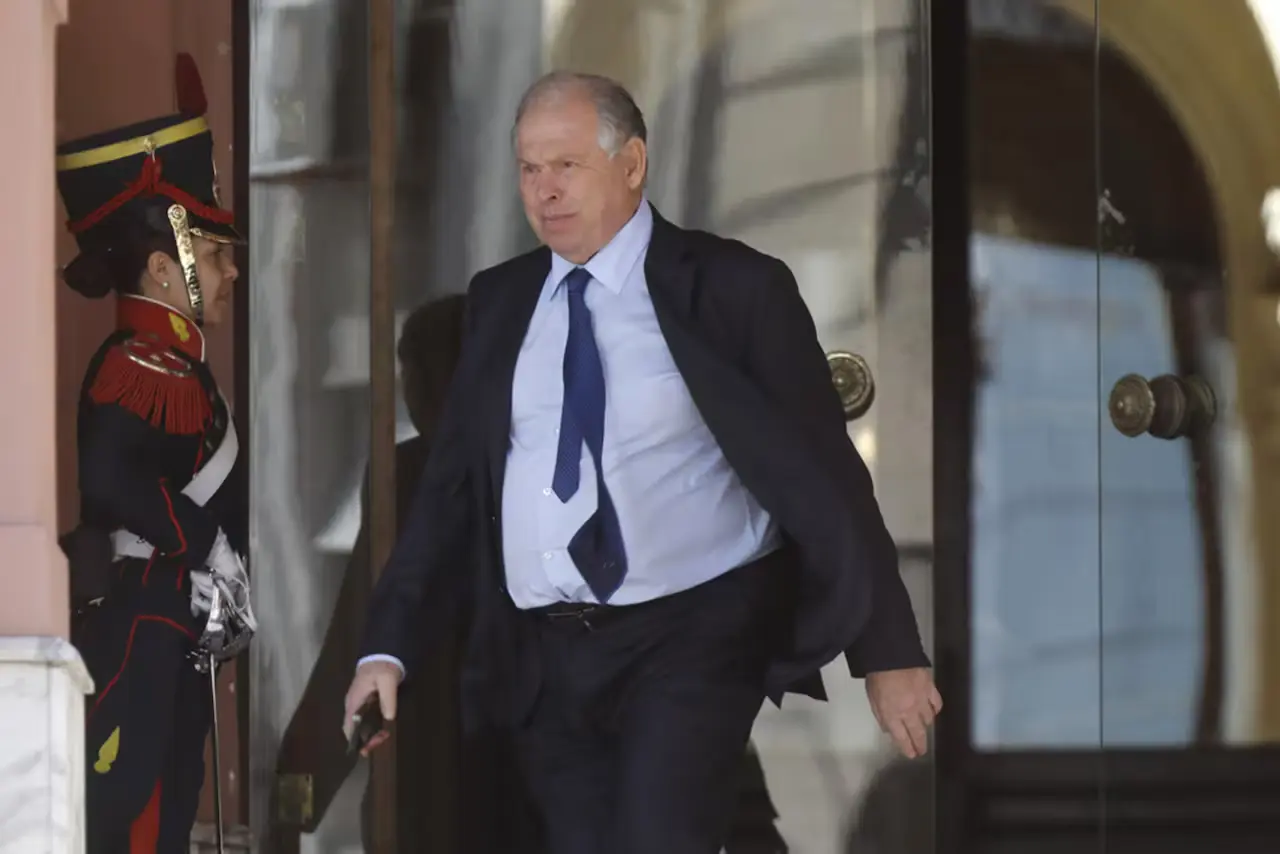
Gerardo Werthein resigned as Argentina’s foreign minister four days before the October 26 midterm elections—an abrupt move that pulls forward a cabinet shake-up President Javier Milei had planned for after the vote.
Werthein, a businessman and former ambassador to Washington who became foreign minister in late 2024 after Diana Mondino’s dismissal, had been tasked with steadying key relationships while the government pressed an aggressive domestic reform agenda.
The headline story is simple: a top diplomat steps down at a politically sensitive moment. The story behind it is about who truly sets the course of Milei’s government.
Werthein’s exit follows weeks of internal friction over the growing influence of presidential strategist Santiago Caputo, a behind-the-scenes operator expected to take on a formal role.
The foreign ministry post, though outward-facing, sits at the intersection of Milei’s domestic squeeze—spending cuts, deregulation—and his need to keep channels open with the United States, Brazil, and Europe for trade, financing, and investment.
Why this matters beyond Argentina: the next foreign minister will signal whether the administration doubles down on a tighter inner circle or widens the tent to reassure markets and partners.
Argentina is trying to attract capital to energy and mining, manage delicate ties across the Americas, and negotiate with lenders while pushing politically costly changes at home.
A steady, empowered foreign-policy chief can help convert diplomatic goodwill into concrete deals; a weaker or highly politicized appointment could amplify volatility.
What to watch now is less the resignation itself than the succession. If Caputo enters the cabinet and allies consolidate around the presidency, expect faster decision-making—but also a sharper concentration of power.
If Milei instead chooses a figure with broad credibility and operational autonomy, that would point to a more institutional approach as he seeks votes—and investors’ patience—after Sunday’s polls.
Either way, this is a revealing moment: it shows that Argentina’s foreign policy is inseparable from the domestic struggle over how Milei governs and who, ultimately, has his ear.
More: Argentina news in English, every day from The Rio Times.
This article was produced by The Rio Times’ automated newsroom system. How we use AI · Report an error
In depth
Read More from The Rio Times