
ARGENTINA · SOCIETY
Published Wednesday, 18 November 2026, 4:00 a.m. ET · Source: statement of the national gas regulator, Tuesday, 17 November 2026
Argentina’s gas and electricity regulator has started its own technical examinations of the gas explosion that killed one person in Lanús, a district of Greater Buenos Aires. It announced the step on Tuesday, 17 November 2026, four days after the blast described in our first report.
The regulator is a national government body, and its inquiry is separate from any court case. For readers abroad, it shows how a gas distributor is held to account after a deadly pipe rupture.
Key Facts
- What Argentina’s gas regulator began technical examinations of the Lanús gas explosion, announced on 17 November.
- Where Remedios de Escalada, a neighbourhood of Lanús in Greater Buenos Aires.
- Toll The regulator confirms one death and gives no injury count.
- Open Cause and responsibility are not yet determined; findings go to the courts.
- Power Index Argentina ranks 4th of 14 in The Rio Times Latin America Power Index, with 60.2 points (November 2026 edition).
Argentina’s gas regulator says it will rebuild what happened in Lanús, decide who is responsible and impose penalties, with its findings open to the courts.
What the Regulator Is Doing
The Ente Nacional Regulador del Gas y la Electricidad (ENReGE), Argentina’s national gas and electricity regulator, says it opened the examinations on its own initiative. Its technical teams have already inspected the site of the explosion.
On the day of the blast, Friday, 13 November, ENReGE sent a formal note to MetroGAS, the gas distributor for the area. It asked for the network plan showing where the pipe broke and which task was under way at that moment.
It also asked for the latest odorization record for the area, meaning the log of the added smell that lets people notice a leak. A further request covered the steps taken to secure the affected zone.
The regulator wants the records of MetroGAS’s damage prevention plan and of its follow-up of the works. It also asked for the company’s list of incidents during the year.
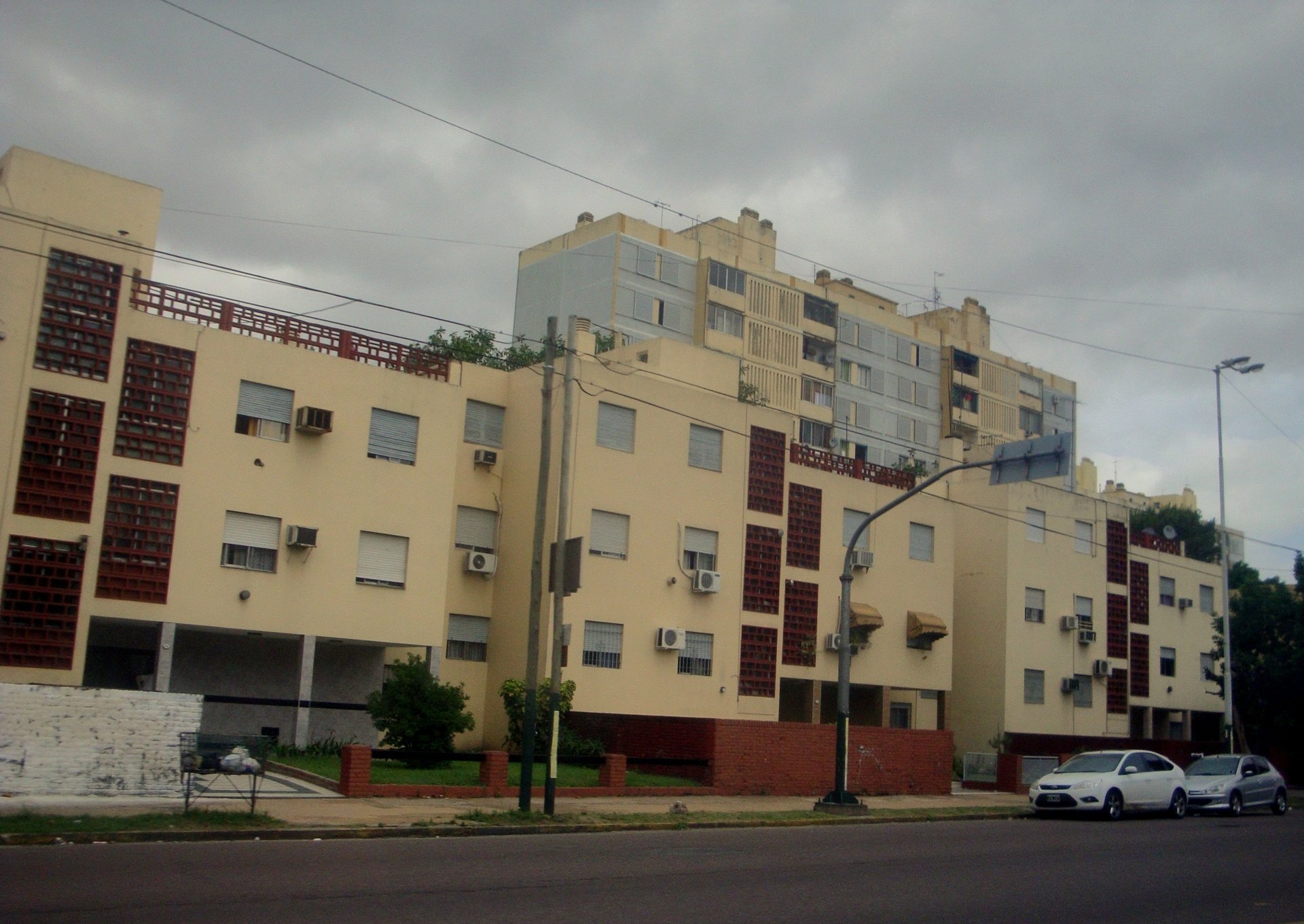
ENReGE says it still needs debris cleared to reach the pits dug for the works. Until then, it cannot complete its checks at the site.
What Happens Next
Once it has the information, the regulator says it will reconstruct how events unfolded and determine who is responsible. It will then apply the penalties that fit, and its results will be placed at the disposal of the courts.
The statement gives no deadline for the findings. It also does not say whether MetroGAS has replied to the written request.
We found no published findings on the cause. We also found no confirmed charges, and under Argentine law anyone involved is presumed innocent until a court rules.
Why It Matters
The case tests how Argentina enforces safety rules after a deadly accident on a privately run gas network. The regulator’s note named at least seven kinds of records, from odorization logs to damage prevention plans, and these show what it will measure the company against.
ENReGE sent its first written request within hours of the blast and made its inquiry public four days later. Its findings, once complete, will go to the courts and could shape the penalties MetroGAS faces.
In Plain English
- ENReGE: the federal watchdog for gas and electricity.
- MetroGAS: the company that distributes gas through the local pipes.
- Peritajes: expert technical examinations of a site or cause.
- Odorization: the smell added to gas so leaks can be noticed.
What It Means for You
If you have a home, shop or relatives near the blast site, watch the Lanús municipality’s notices on debris removal and access. The regulator says its own checks depend on that clearance.
For travellers and expatriates elsewhere in Argentina, we found no announcement of a wider inspection programme. The regulator’s findings will show whether one is warranted.
What Is Not Known
The cause of the blast and the share of responsibility are not established. No date is given for the regulator’s findings or for the clearing of debris.
We found no official identification of the person who died, and we do not name victims. The regulator gives no updated injury count, and an early local count of about 30 injured has not been confirmed in the statement.
Connected Coverage
Read our earlier report on the blast and our background on the MetroGAS ownership change. More is in our Argentina news hub.
Frequently Asked Questions
What is the regulator investigating?
ENReGE, Argentina’s gas and electricity regulator, is examining the gas explosion in Remedios de Escalada, Lanús, on Friday, 13 November 2026. It says it will determine responsibility and apply penalties.
What did it ask MetroGAS for?
Within hours of the blast it asked for the network plan showing the rupture, the task under way, the latest odorization record and the year’s incident history. It also asked for records on securing the area and on damage prevention.
Has the cause been found?
No. The regulator says its on-site checks need debris removed first, and it will place its results at the disposal of the courts.
How many people died?
The regulator confirms one death. We found no updated official count of the injured.
Sources: Ente Nacional Regulador del Gas y la Electricidad (ENReGE), statement of 17 November 2026, Argentina’s national gas and electricity regulator.
This article was produced by The Rio Times’ automated AI newsroom. Editorial responsibility: Matthias Camenzind, Publisher and Editor-in-Chief. The Rio Times also runs Ask Rio Times, which answers from 100,000+ of our own articles, the daily Latin America Power Map, and prediction-market odds on elections and markets.. How we use AI · Report an error