Argentina Names New Director for Casa Argentina in Paris
Key Facts
-
—
What happened. Argentina’s government formally named Alfredo Mario Soto as the new director of the Casa Argentina in Paris. -
—
How it was done. Human Capital Minister Sandra Pettovello signed Resolution 341/2026, published in the Official Bulletin on 15 September. -
—
Who he is. Soto is a Rosario-based law professor, a former resident of the house, and a fluent French speaker. -
—
The catch. The resolution accepted predecessor Santiago Muzio’s resignation effective 7 September, days before the appointment became public paperwork. -
—
Who it affects. Argentine students and researchers housed at the Cité Internationale Universitaire de Paris, and the campus’s other national residences. -
—
What comes next. Soto’s three-year term begins as petitioners wait to see if a removed memorial plaque is restored.
The Appointment Is Now Official
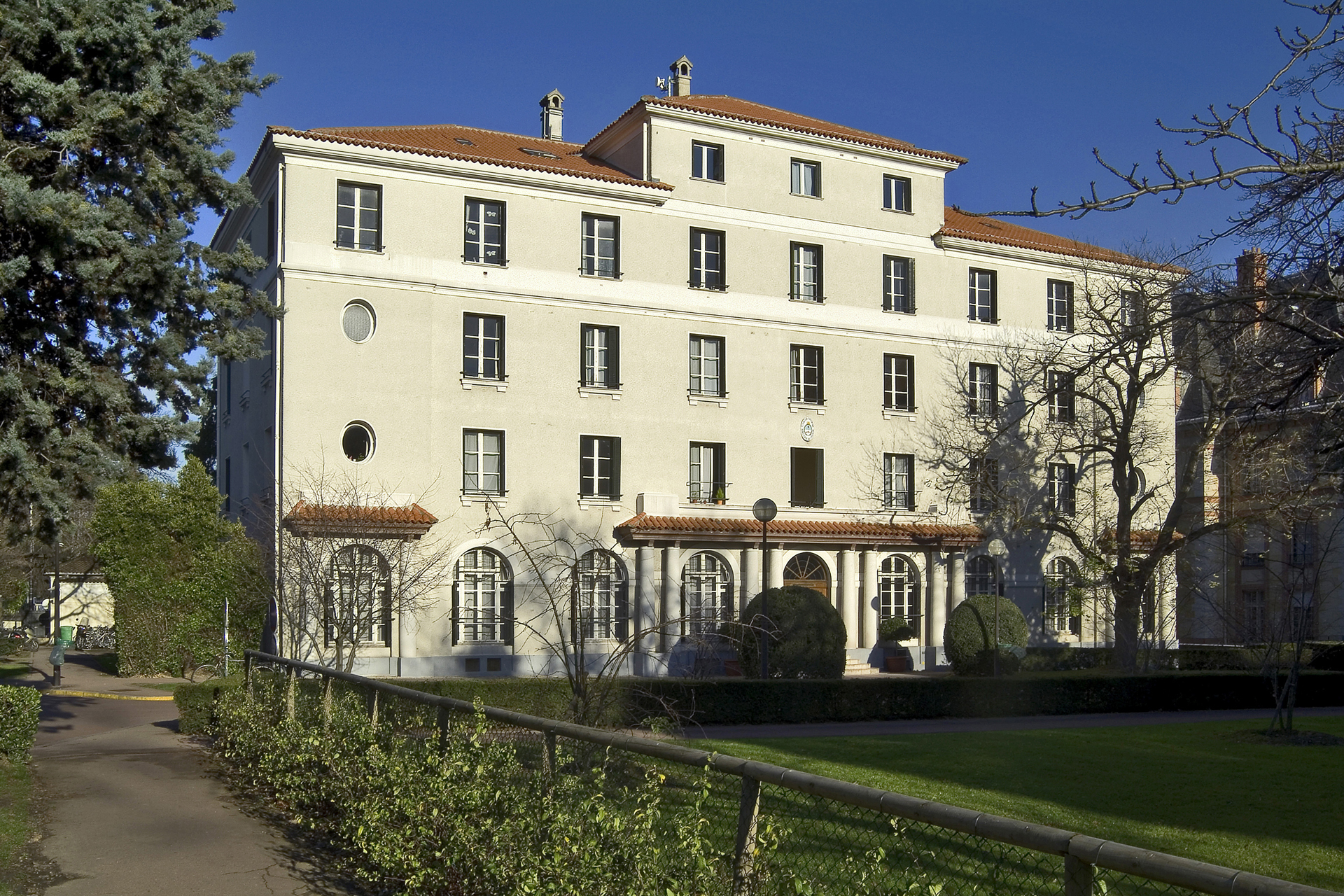
Argentina has made it official. A government resolution has formally named Alfredo Mario Soto as the new director of the Casa Argentina in Paris.
Human Capital Minister Sandra Pettovello signed Resolution 341/2026. It appeared in Argentina’s Official Bulletin on 15 September, converting weeks of reported speculation into paperwork.
What the Resolution Actually Says
The text designates “el abogado Alfredo Mario Soto” as director of the Fundación Argentina, the residence’s formal legal name. It also accepts the resignation of his predecessor, Santiago Muzio.
That resignation is dated as effective 7 September, a detail that had not been formally confirmed until this filing. Soto’s own term begins the following day, 8 September.
His appointment runs three years, under bylaws the foundation approved by a 1982 government decree. That structure predates the current controversy by more than four decades.
The resolution is administrative housekeeping on its face. But it closes a chapter that had dragged on publicly since Muzio’s resignation became widely reported on 13 September.
Who Alfredo Soto Is
Soto is not an outsider to the institution he now runs. He is a doctor of legal and social sciences and heads the graduate school at the National University of Rosario’s law faculty.
He was previously a resident of the Casa Argentina himself, and he speaks French fluently. Both details matter after a tenure marked by conflict with French-speaking neighbors on campus.
His predecessor, a lawyer and dual French-Argentine national, was accused of running the house with the opposite instincts. Soto’s academic background reads as a deliberate contrast.
Why Muzio Left
Santiago Muzio was appointed to the post in 2024 by the Milei government. His two years there were the most contentious in the residence’s recent history.
A memorial plaque honoring victims of Argentina’s military dictatorship disappeared from the building in February. Its removal, on a date tied to the dictatorship’s anniversary, drew immediate outrage.
More than a thousand academics, writers and diplomats signed a June letter demanding a full financial and administrative audit. No results from that audit have been published.
Muzio also refused to sign the campus’s charter of values, which bars discrimination based on gender and sexual orientation. He said he was following the Argentine government’s own position on sex.
Other national houses at the Cité Internationale distanced themselves publicly from the Argentine residence. Paris’s mayor asked France’s foreign minister to open an investigation in July.
A Presidential Visit in the Background
One Argentine outlet reported that the government pushed Muzio out ahead of a presidential trip. President Javier Milei is due in France around a Paris Week event scheduled for 30 October.
Other coverage frames the pressure as coming mainly from French academic and municipal circles instead. Both explanations can be true at once, and neither has been fully confirmed independently.
What is now confirmed, through this week’s resolution, is the government’s own paper trail. It accepted the resignation and named a successor within a single administrative act.
What Happens to the Plaque
The missing memorial plaque remains the clearest test of Soto’s tenure. It was installed in 2022 on 24 March, the anniversary of the 1976 coup, and vanished this February without explanation.
Petitioners who organized last spring’s letter say its return is the single clearest signal a new director could send. Soto has not yet made a public statement about it.
The investigation Paris municipal officials requested has also not been reported as concluded. Whether it produces findings before Soto settles into the role remains an open question.
Why This Matters Beyond One Building
The Casa Argentina sits inside a campus of more than forty national residences. How Argentina runs its house is visible to diplomats and students from dozens of countries at once.
A formal, published resolution signals the government wants the episode closed administratively. Whether it is closed politically depends on what Soto does with the plaque and the pending audit.
Frequently Asked Questions
Who is Argentina’s new Casa Argentina director? Alfredo Mario Soto, a law professor from Rosario and a former resident of the house.
Who signed his appointment? Human Capital Minister Sandra Pettovello, via Resolution 341/2026, published 15 September 2026.
When does his term start? His three-year term is effective from 8 September 2026, the day after Muzio’s resignation took effect.
Why did Santiago Muzio resign? Amid accusations over a removed dictatorship memorial plaque, student expulsions, and refusal to sign the campus charter of values.
Has the missing plaque been restored? Not as of this report, and it remains the measure petitioners plan to judge the new director by.
More: Argentina news every day from The Rio Times.
This article was produced by The Rio Times’ automated newsroom system. How we use AI · Report an error
Read More from The Rio Times