Argentina Malvinas Claim Wins Public Chinese Backing as Milei Pushes a Bill
Argentina · Diplomacy
Key Facts
- —What the islands are A British overseas territory in the South Atlantic that Argentina calls the Malvinas.
- —What is new China’s ambassador in Buenos Aires publicly backed Argentina’s sovereignty claim this week.
- —Why oil is at the centre An Israeli-led venture is developing the Sea Lion field in waters both sides claim.
- —What Argentina is doing A bill before Congress would widen penalties on firms drilling or fishing in those waters.
- —The catch Argentina’s defence minister says the claim stays diplomatic, so the two signals point different ways.
- —Why it matters here Energy money, not sovereignty, is what turned an old argument into a live commercial dispute.
A row that began with an oil field and a British business guide has drawn in Beijing, an Israeli drilling company and a bill now before Argentina’s Congress. The temperature is rising and falling at the same time.
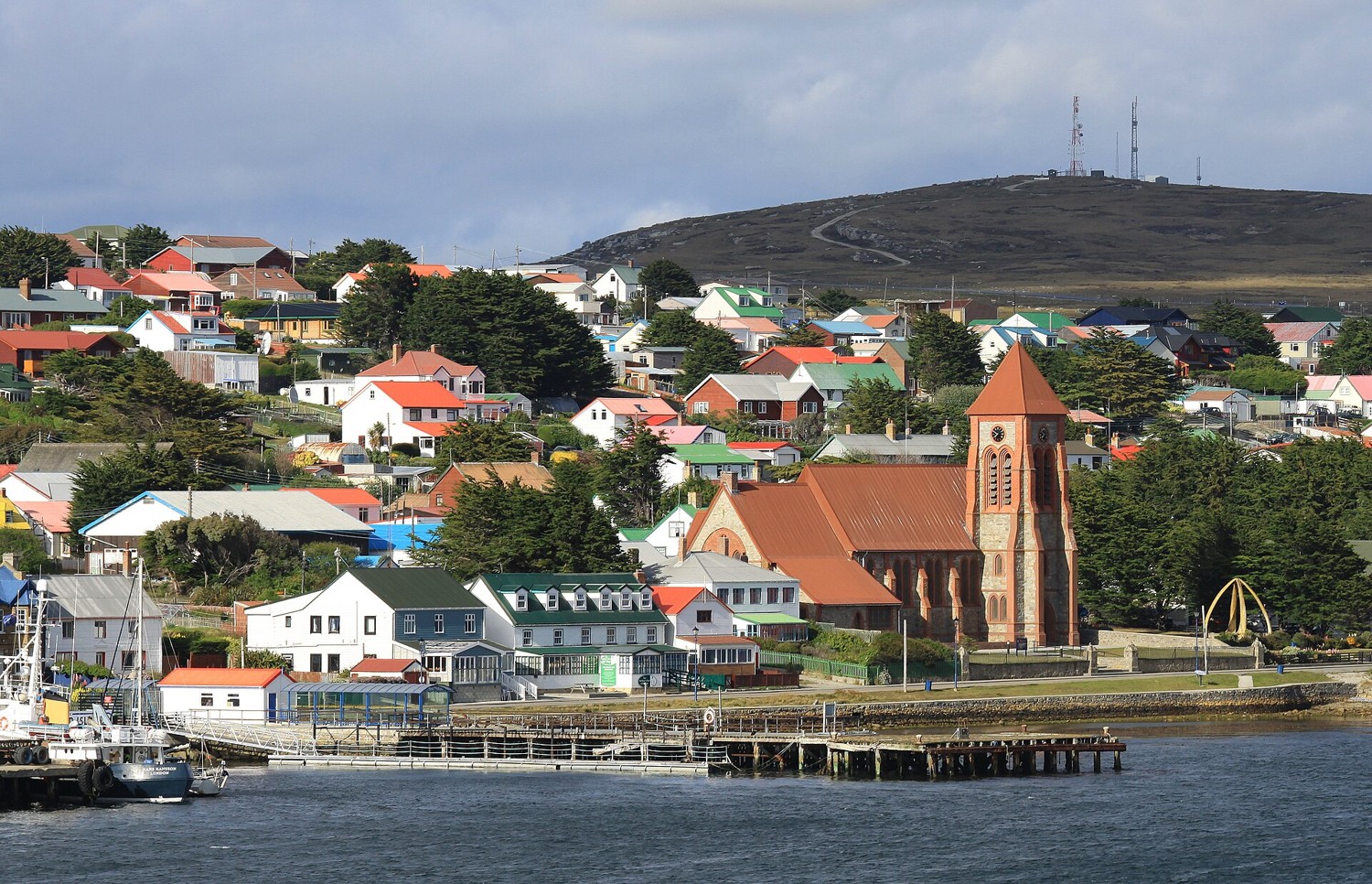
The Argentina Malvinas claim picked up an unusual endorsement this week. China’s ambassador in Buenos Aires said in public that his country stands behind it.
Wang Wei spoke at a reception marking the 77th anniversary of the People’s Republic. His wording was direct and he did not hedge it.
For our part, he said, China supports Argentina’s legitimate claim to sovereignty over the Malvinas Islands. Beijing has said versions of this before, but rarely with this timing.
What the Argument Is Actually About
The Falkland Islands sit about 500 kilometres east of Patagonia and hold roughly 3,600 people. Britain has governed them since 1833 and Argentina has claimed them ever since.
The two countries fought a ten-week war over the islands in 1982. Argentina lost, and the dispute has been a legal and diplomatic one ever since.
What changed recently is money. A consortium took a final investment decision in December on Sea Lion, an oil field in waters north of the islands.
The operator is Navitas Petroleum, an Israeli company holding 65 percent. Britain’s Rockhopper Exploration holds the other 35 percent.
That ownership explains a detail that otherwise looks strange. When Argentina delivered formal protest notes after the investment decision, it sent for the Israeli ambassador as well as the British one.
Israel’s government distanced itself at the time. Its foreign minister said Navitas was a private company and that the state was not involved in any way.
The British Guide That Restarted It
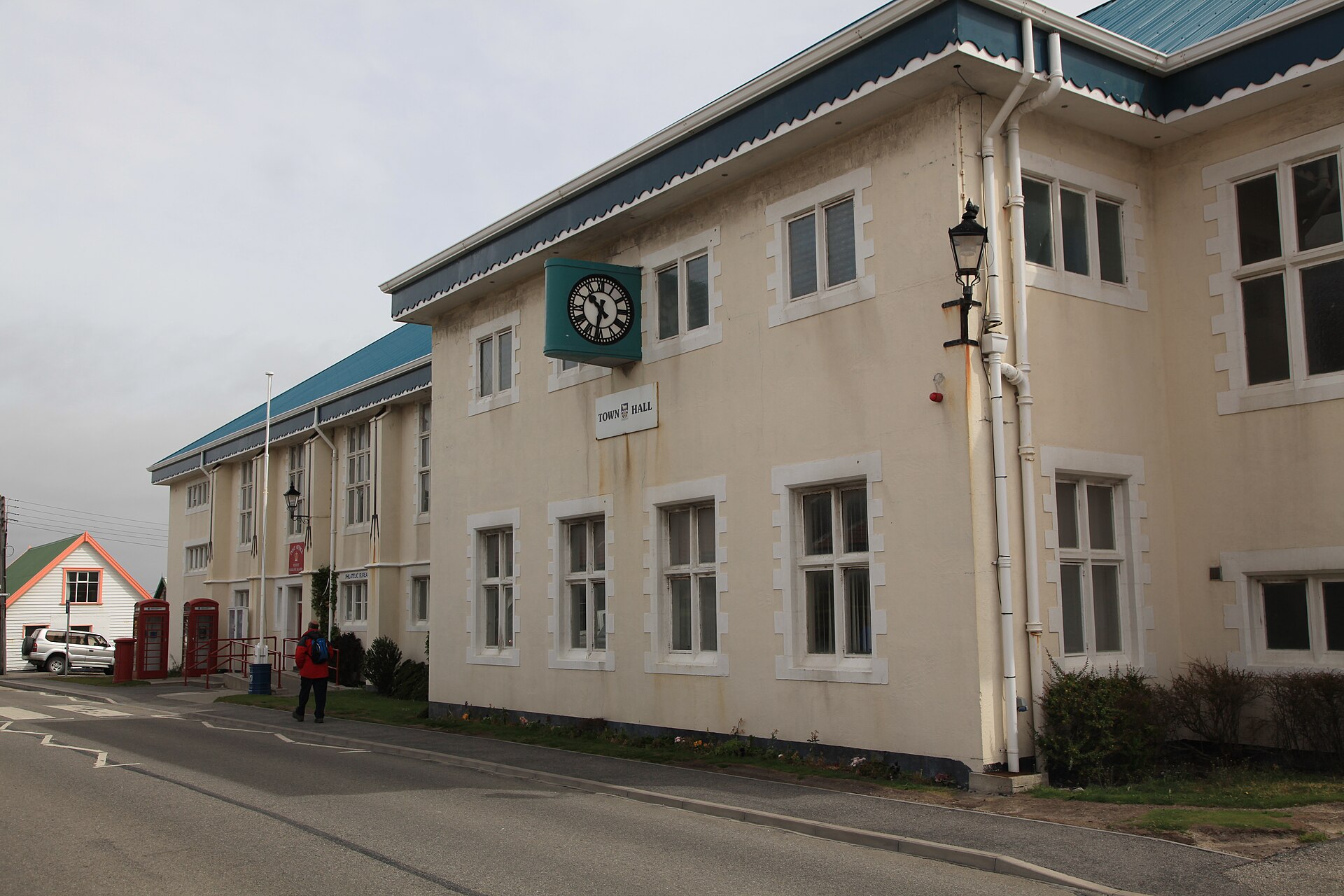
On Tuesday the British government published a guide for companies doing business with the islands. Two departments issued it jointly, the Foreign Office and the business ministry.
It says Argentina has no right to apply its own law inside the islands or to firms trading with them. Companies receiving Argentine legal threats are told to take independent advice.
Argentina’s foreign ministry rejected the document the same day. It cited a 1976 United Nations resolution asking both sides to avoid unilateral changes while they talk.
Our earlier report set out what the British guide says and who it is aimed at. It reads as reassurance to nervous company lawyers rather than as a new policy.
The Bill Moving Through Congress
President Javier Milei has been preparing legislation of his own since early September. It updates a 2011 law that already penalises unauthorised drilling on the disputed shelf.
The draft widens the penalties to fishing as well as hydrocarbons. It applies them across the full 200 nautical miles measured from Argentine coasts, islands included.
It also creates a national security council drawing on the foreign, defence and intelligence services. The government planned to send it to Congress alongside the 2027 budget.
None of this can remove a British administration from the islands. It can make life awkward for any company weighing work in those waters.
The Other Signal, Sent the Same Day
On Wednesday Argentina’s defence minister spoke in noticeably calmer terms. Carlos Presti said the sovereignty claim was entirely lawful, diplomatic and peaceful.
Presti is a serving army lieutenant general and the first military officer in the job since 1983. That makes his choice of words carry further than it otherwise would.
So the Argentina Malvinas claim is being pressed and cooled at once. The legal instruments are getting sharper while the language around them stays deliberately soft.
For anyone watching from outside the region, the practical question is commercial rather than territorial. The risk is not a conflict but a court case, and it now reaches companies with no Argentine presence at all.
More: Argentina coverage, every day from The Rio Times.
Frequently Asked Questions
Who governs the Falkland Islands?
The islands are a British overseas territory with their own elected legislative assembly, which runs everything except defence and foreign affairs. Those two remain with London. Argentina rejects that arrangement and calls the territory the Malvinas, a claim it has maintained since Britain took control in 1833.
What is the Sea Lion project?
Sea Lion is an oil development in the North Falkland Basin, north of the islands. The venture took a final investment decision in December 2025. Navitas Petroleum of Israel holds 65 percent and Britain’s Rockhopper Exploration holds 35 percent. Argentina regards the licences as invalid because it disputes who may issue them.
Has China changed its position?
Not in substance. Beijing has supported Argentina’s sovereignty claim in United Nations forums for years and repeated it in a joint declaration with Buenos Aires in 2022. What is new is an ambassador saying it at a public event in Buenos Aires while the dispute with London is running hot.
Does any of this affect travel or business in Argentina?
Not directly. The measures target companies working in the disputed waters, not visitors or ordinary commerce on the mainland. The wider effect is on the legal risk facing energy, fishing and shipping firms that deal with the islands, which is what the British guidance was written to address.
Sources: Ámbito on the Chinese ambassador’s remarks, Argentine Foreign Ministry statement of 15 September 2026, UK guidance on doing business with the Falkland Islands, Ámbito on the defence minister’s remarks, Infobae on the sovereignty bill, MercoPress on the December 2025 protest notes
This article was produced by The Rio Times’ automated newsroom system. How we use AI · Report an error
In depth
Read More from The Rio Times