ANC Opposition Now Oversees Food and Farming in South Africa
President Cyril Ramaphosa’s recent cabinet reshuffle in South Africa is a pivotal moment in the nation’s governance.
It reflects both a response to immediate national crises and a strategic realignment towards more efficient and targeted administrative action.
The reshuffle illustrates a blend of continuity in some areas with significant changes in others, aimed at enhancing the government’s capacity to address specific challenges.
Key Appointments and Roles:
- Enoch Godongwana continues as the Minister of Finance, a decision that underscores stability in the economic management of the country amid persistent financial challenges.
- Angie Motshekga has been appointed as the Minister of Defense and Military Veterans, a significant change that places a veteran politician in a crucial national security role.
- John Steenhuisen, leader of the Democratic Alliance, has been appointed Minister of Agriculture.
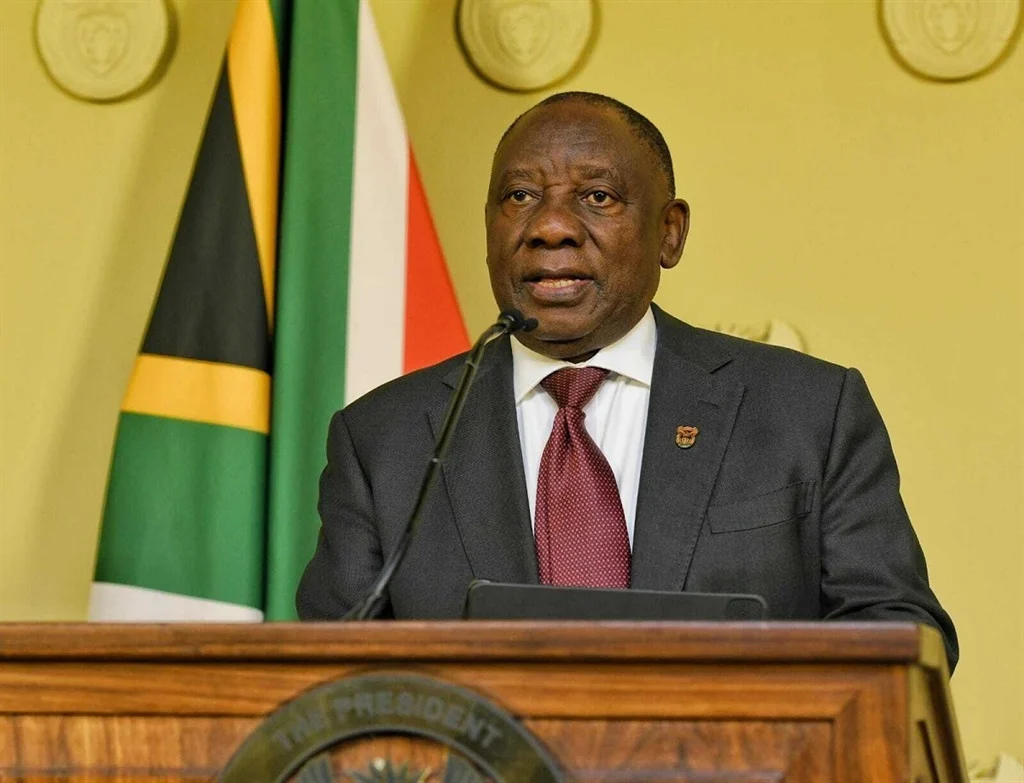
This marks a notable inclusion of the opposition in key governmental roles, signifying a broad-based approach to governance.
Strategic Ministerial Roles Introduced:
- A new role, Minister in the Presidency for Electricity, has been created and assigned to Dr. Kgosientsho Ramokgopa. This position is directly aimed at tackling the ongoing electricity crisis.
- It emphasizes the urgency of resolving the load shedding issue that has significantly impacted the South African economy and daily life.
Reconfiguration of Ministries:
- The reshuffle included a strategic separation of the Ministry of Human Settlements from the Ministry of Water and Sanitation.
- This move highlights the government’s approach to more specialized and focused administrative efforts.
- It acknowledges that water issues extend far beyond housing and affect agriculture, industry, mining, and environmental management, requiring dedicated leadership.
Implications of the Reshuffle:
The cabinet reshuffle is not just about changing personnel but is a clear indicator of the government’s priorities and its strategy to enhance effectiveness.
By appointing seasoned politicians to critical roles, the government aims to provide more coherent and focused leadership.
Introducing specific positions to handle crises like electricity supply further enhances their strategy.
This is particularly crucial as the country continues to navigate through economic difficulties and social challenges.
Moreover, the inclusion of opposition party members in the cabinet is a significant move towards unity and cooperative governance.
It potentially paves the way for more collaborative and less adversarial politics in South Africa.
However, these changes indicate a broader strategy aimed at making the government more responsive to immediate citizen needs.
Additionally, they aim to better prepare for implementing long-term policies for growth and development.
The reshuffle is a balancing act between maintaining continuity in economic and defense policy while also innovating in areas that require urgent attention, like energy and infrastructure.
More: South Africa news in English, every day from The Rio Times.
This article was produced by The Rio Times’ automated newsroom system. How we use AI · Report an error
Part of our ongoing coverage
Africa: The New Scramble — the great-power contest over the continent.
Read More from The Rio Times