Hormuz Deal Odds Jump After US-Iran Draft
Prediction Markets: World
Key Facts
- Prediction markets. Polymarket (a trading platform), 31 Oct, 5:27 a.m. Eastern Time (ET): 34.0% for a US-Iran deal on the Strait of Hormuz, the sea lane for much of the world’s oil, by 30 Nov; up 10.5 points in 24 hours.
- Trigger. A new draft US-Iran framework was reported on 31 Oct. We found no official confirmation.
- Oman. Oman, the Gulf state across the strait from Iran: its deal market rose 13.0 points to 26.0% for 30 Nov.
- Thin market. About US$85,000 traded in 24 hours on the US-Iran market, US$2.94 million overall.
- Next. The 30 Nov and 31 Dec deadlines. Each market closes at 11:59 p.m. ET on its date.
Traders now give a one-in-three chance that the United States and Iran will announce a deal on shipping through the Strait of Hormuz by 30 November. A day earlier the same bet stood 10.5 points lower, and a week ago it stood 13.5 points lower.
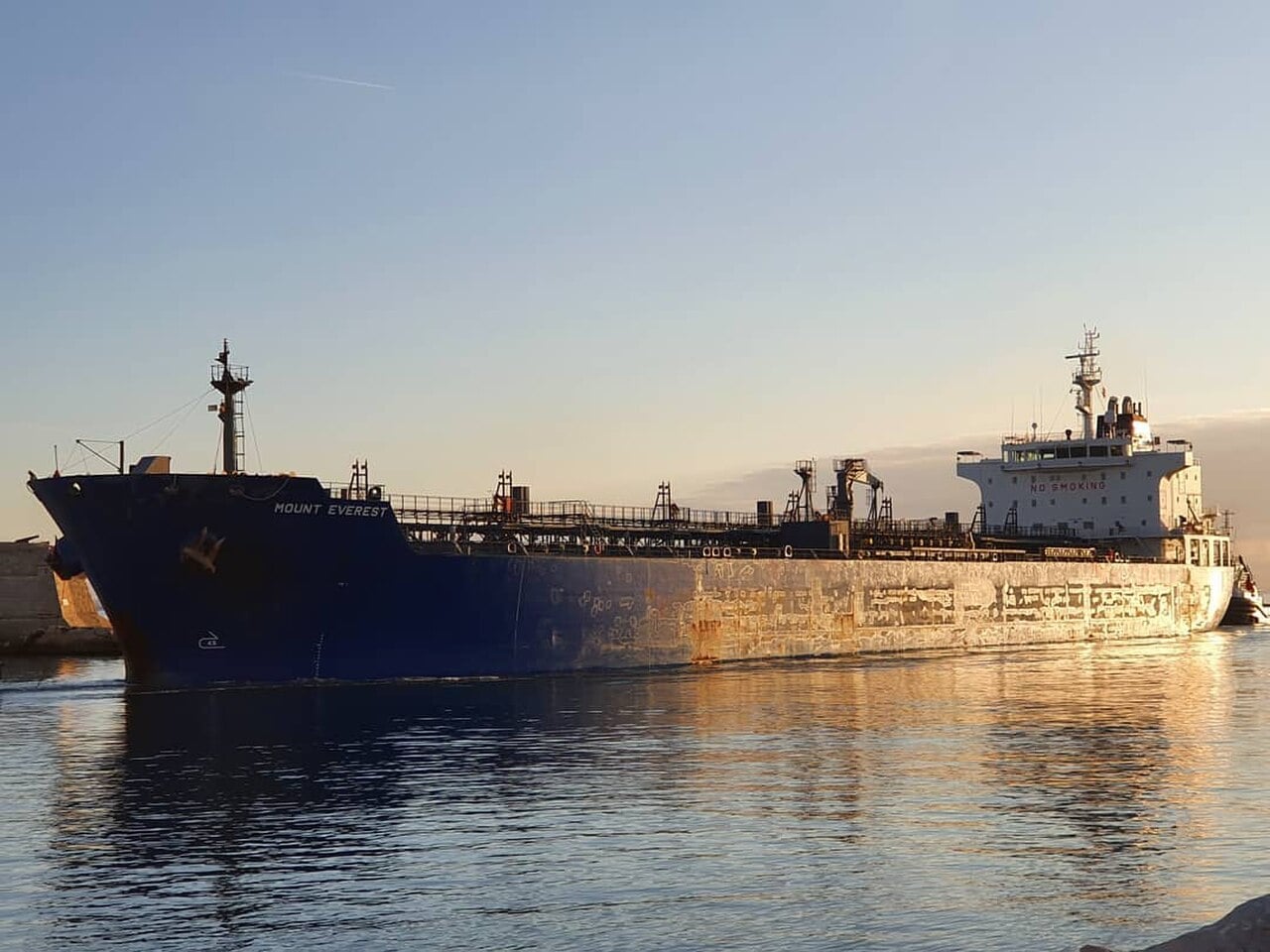
The strait is the narrow sea lane through which a large share of the world’s oil tankers pass, so US drivers, investors and travellers feel any change in it. The jump came on the day a draft framework for US-Iran talks, which would reopen the strait within seven days of a first understanding, was reported by media on Saturday.
Prices are real-money bets, not polls and not a forecast by The Rio Times. No agreement has been announced.
What Prediction Markets Say
Polymarket, an online platform where users trade real money on outcomes, runs a market called “US-Iran Hormuz Agreement by…?”. It pays “Yes” if the two governments announce a diplomatic agreement, aimed at permitting, restoring or increasing ship traffic through the strait, by the stated date at 11:59 p.m. ET. Both sides must accept the same agreement.
Prices at 5:27 a.m. ET on 31 October 2026:
- By 30 November: 34.0%, up 10.5 points in 24 hours and 13.5 points in 7 days
- By 31 December: 41.5%, up 8.5 points in 24 hours and 13.5 points in 7 days
- By 2 November: 8.9%, up 4.5 points in 24 hours
- By 31 October: 3.1%, up 0.7 points in 24 hours
The US-Iran market has traded about US$2.94 million since it opened and about US$85,000 in the last 24 hours, so it is thinly traded. A few large bets can move a price in a market this size.
Polymarket also runs an “Iran-Oman Hormuz Management Agreement by…?” market. Its rules count agreements on traffic corridors, fee collection and other management of the strait, and its prices at the same time were:
- By 30 November: 26.0%, up 13.0 points in 24 hours and 4.5 points in 7 days
- By 31 December: 31.0%, up 2.5 points in 24 hours
- By 31 October: 1.1%
That market has traded about US$3.51 million overall and about US$32,000 in 24 hours, also thinly traded. All earlier deadlines in both markets are priced at zero.
We found no matching market on Kalshi, a prediction-market exchange regulated in the US by the CFTC (the Commodity Futures Trading Commission, the federal derivatives regulator).
Why we show this: prediction markets turn real-money bets into a live probability that moves within minutes of the news, which is why investors, campaigns and newsrooms in the United States now follow them closely. We show them next to polls and official results, never instead of them.
Why the Odds Moved
On Saturday, 31 October, media reports described a preliminary draft framework for US-Iran negotiations. It proposes moving Iran’s highly enriched uranium (the kind closest to weapons grade) to a third country or lowering its enrichment level, and reopening the strait to international shipping within seven days of an initial understanding.
The draft also places the talks in Doha, Qatar’s capital, and names China as a possible guarantor. It adds a way to settle disputes and pairs Iranian steps with US steps to ease sanctions. We could not confirm the text with a named official.
President Donald Trump told reporters on Friday, 30 October: “There are talks. They want to talk. They keep talking.” Reports say the two capitals remain divided on core points, including Iran’s nuclear programme and sanctions.
The timing fits, but traders do not state their reasons. We cannot say whether the draft, earlier talks or something else drove the bets.
For the Iran-Oman market we found no Oman-specific announcement in the last 48 hours. The two countries said in a joint statement on 23 June that they would set up a working group on managing navigation and its costs, and Iranian officials said in August that a deal was close. Polymarket’s earlier deadlines, from August onward, all ended without a qualifying agreement, and we found no announced deal that settles who manages the strait.
In Plain English
- Strait of Hormuz: the sea lane between Iran and Oman that links the Gulf to the open ocean.
- Draft framework: an early outline of terms, not a signed deal.
- Points: a move from 24% to 34% is ten points.
What the Bets Do Not Cover
The markets pay on an announced diplomatic agreement. They do not bet on whether ships actually move or on how many.
Polymarket’s separate traffic markets, which resolve on shipping data rather than on diplomacy, are far less hopeful: “Hormuz traffic returns to normal by 30 November” stood at 6.5% and “by 31 December” at 11.5% at the same reading. Traders can expect a deal and still expect a slow recovery of shipping.
What It Means for US Readers
Oil is the first channel. A signed deal that reopens the strait would be read as good news for fuel prices and shipping costs, while a collapse of talks would point the other way. Our report on oil at a six-month high after a tanker attack shows how sensitive prices are.
Politics is the second. Tuesday’s midterm elections, the vote for Congress, fall on 3 November, and our report on odds of a US strike before the vote covers that side. Our earlier piece on Qatar’s role in the talks covers the mediation. More markets are on our prediction markets hub.
What It Means for Latin America and Africa
Oil exporters in both regions usually gain when crude rises, and importers pay more for fuel and freight. That applies to producers such as Brazil, Colombia, Nigeria and Angola on one side and to fuel importers such as Kenya on the other.
A deal that reopens the strait would work in the opposite direction, easing costs for importers and trimming the windfall for exporters. We have no confirmed price effect to report. Regional markets are on our Latin America odds page and our Africa odds page.
What Is Not Known
It is not known whether either government has accepted the draft, or whether it is the text being negotiated. We also do not know who bet on 30 and 31 October or why.
Both markets are thinly traded and the 24-hour moves are large next to the volume. Treat the numbers as a mood gauge, not a prediction.
Frequently Asked Questions
What do prediction markets say about a US-Iran Hormuz deal?
Polymarket gives 34.0% for a US-Iran Hormuz agreement by 30 November 2026 and 41.5% by 31 December (5:27 a.m. ET, 31 October). These prices are bets, not polls.
Why did the odds jump?
A new draft US-Iran framework was reported on 31 October. It proposes reopening the strait within seven days of a first understanding. Neither government has confirmed it, and traders give no reasons.
Does 34% mean a deal is likely?
It means traders see roughly a one-in-three chance by 30 November. The market is thinly traded, with about US$85,000 changing hands in 24 hours.
What is the Iran-Oman market?
It asks whether Iran and Oman announce an agreement managing Hormuz traffic. Polymarket gives 26.0% by 30 November, up 13.0 points in 24 hours.
What would a deal mean for oil?
A reopened strait would usually ease fuel and freight costs for importers. We cannot say how far prices would move, and no agreement has been announced.
Sources: Polymarket and Kalshi public market data (read 31 October 2026, 5:27 a.m. ET); Polymarket market rules for “US-Iran Hormuz Agreement by…?” and “Iran-Oman Hormuz Management Agreement by…?”; Oman-Iran joint statement of 23 June 2026; reports of a draft US-Iran framework, 31 October 2026. Prediction market prices are bets, not polls.
This article was produced by The Rio Times’ automated newsroom system. How we use AI · Report an error · Editorial responsibility: Matthias Camenzind, Editor-in-Chief