Ghazouani Re-elected in Mauritania, Opposition Cries Foul
On Sunday, Mohamed Ould Ghazouani was re-elected as Mauritania’s president, securing 56% of the vote.
The electoral commission’s results grant him a second, five-year term. However, opposition candidates contest these results, alleging electoral irregularities.
Biram Dah Abeid, an anti-slavery advocate and the runner-up, called the victory an “electoral coup” and refused to recognize the results.
This marks the second time Ghazouani and Abeid have faced off, with Abeid placing second in both instances.
This election is significant for Mauritania, a country with a history of military rule and multiple coup attempts.
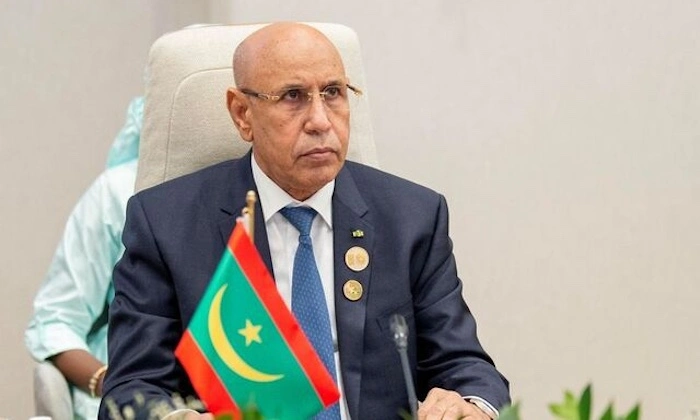
The voter turnout was 55%, lower than the previous election in 2019, which also saw allegations of irregularities from Abeid, leading to minor protests.
Despite promises to boost the economy through natural resource exploitation, Ghazouani’s administration faces criticism over human rights issues.
The administration is particularly criticized for the marginalization of Mauritania’s black African population.
His economic plans include starting production from the Greater Tortue Ahmeyin offshore gas project by the end of the year and continuing investments in renewable energy and mining sectors.
The opposition’s concerns about election credibility stem from alleged irregularities and the expulsion of their representatives from polling stations.
They vow to challenge the results through legal means and have already sparked small-scale protests.
This skepticism about election transparency highlights the ongoing struggle for fair governance in Mauritania.
Ghazouani’s Balancing Act in Mauritania
Ghazouani’s victory underscores the complexity of Mauritania’s political landscape.
While he aims to foster economic growth and maintain stability, opposition voices and human rights issues continue to challenge his administration.
This election’s outcome will shape the country’s future direction, balancing economic aspirations with demands for justice and equality.
Mauritania’s history is marred by repeated military coups, the last one in 2008, leading to Ghazouani’s predecessor, Mohamed Ould Abdel Aziz, taking power.
Under Aziz, Mauritania saw relative stability but continued struggles with poverty and human rights issues.
Ghazouani, a former general, represents continuity from Aziz’s policies, promising economic reforms.
However, deep-rooted societal issues, such as slavery and ethnic discrimination, persist, challenging progress. International observers closely watch Mauritania, a strategic location in the Sahel region.
Ghazouani’s government must navigate these challenges while fostering economic growth to meet citizens’ needs.
The international community’s role remains crucial in supporting Mauritania’s development and stability efforts.
This article was produced by The Rio Times’ automated newsroom system. How we use AI · Report an error
Part of our ongoing coverage
Africa: The New Scramble — the great-power contest over the continent.
Read More from The Rio Times