Amnesty Condemns Kano Council Chief’s Threat
Amnesty wants Nigerian authorities to act against a local council chairman before the 2027 elections.

Politics: Nigeria
Amnesty International, the global human-rights group, said on 20 November 2026 that Abubakar Mojo, a local council chairman in Kano State, is a “danger to society”. It demanded that Nigerian authorities hold him accountable over a video in which he tells supporters to deliver their polling units “by whatever means”.
Mojo is described as chairman of Gwale Local Government Area, one of Kano’s councils in northern Nigeria, and the video urges loyalty to the All Progressives Congress (APC), Nigeria’s governing party. The remarks come as parties prepare for national elections due in January and February 2027.
Key Facts
- Who. Abubakar Mojo, reported chairman of Gwale local council in Kano State, and Amnesty International.
- What. Amnesty condemned a video in which Mojo urges supporters to win polling units by any means.
- Where. Kano State, northern Nigeria; where the video was recorded is not established.
- When. Amnesty’s statement is dated 20 November 2026; the recording date has not been established.
- As of. 20 November 2026, 11:30 GMT.
Amnesty wants Nigerian authorities to act against a local council chairman before the 2027 elections.
In a video that has circulated widely, Mojo is heard telling supporters to “deliver your polling units for the APC” by intimidation, violence, thuggery or any other means. The recording is reportedly in Hausa, the main language of northern Nigeria, and its date and place have not been established.
Amnesty called him a “danger to society” and demanded that he be held accountable. It wants the authorities to act.
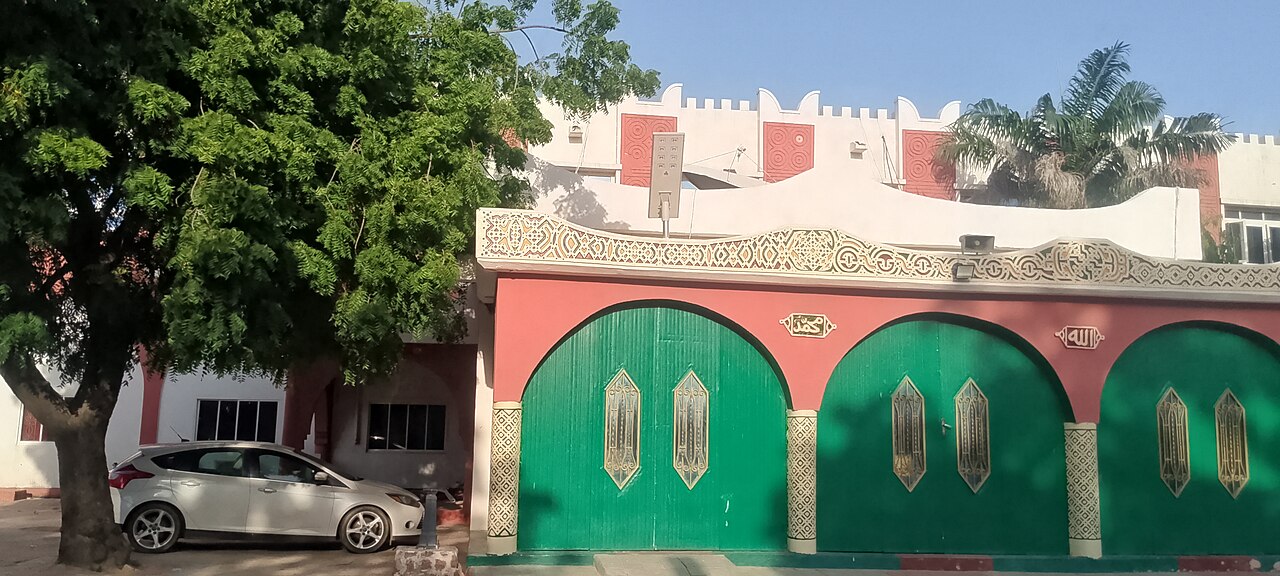
Amnesty said: “Election is not a do-or-die affair.” The statement is dated 20 November 2026.
The group also said Nigeria’s security agencies are failing in their responsibilities. The Electoral Act 2026, which President Bola Tinubu signed on 18 February 2026 to replace the 2022 law, governs the vote.
Amnesty has used almost the same words before. On 25 August 2026 it called Samuel Danjuma Shekwolo, chairman of Kuje Area Council in the capital Abuja, “a danger to society” after a video in which he told residents to back the APC or leave.
Amnesty said Shekwolo must be held to account for threatening violence against people who may not vote for the APC. It called the remarks “a call to violence and direct attack on freedom of association”.
In May 2026 Amnesty’s Nigeria office opened a public inquiry into gang attacks and political violence in Kano. It said it wanted to identify the perpetrators and any politicians who sponsor the gangs, and it urged parties to distance themselves from them.
The Independent National Electoral Commission (INEC), which runs Nigerian elections, has set the presidential and National Assembly (national parliament) elections for Saturday 16 January 2027. Governorship and state assembly elections follow on Saturday 6 February 2027.
Kano’s party politics are shifting ahead of the vote, as our guide to Kano’s political realignment dates shows. Our explainer on the Kano APC campaign committee covers the party’s campaign structure there.
We found no response from Mojo, the APC, Kano State police or INEC as of 11:30 GMT on 20 November. Accounts differ on his title and on when the video was recorded.
No arrest or official investigation has been announced in the material we found. For Nigerian affairs more widely, see our Nigeria coverage.
Frequently Asked Questions
What did Abubakar Mojo say in the video?
He urged supporters to make sure they deliver their polling units for the APC by whatever means, including intimidation and violence. Amnesty says this threatens people’s right to take part in elections peacefully.
Has anyone responded to Amnesty?
We found no reply from Mojo, the APC, the police or INEC at the time of writing. A response would show whether the party and the authorities treat the remarks as a breach of the Electoral Act.
Why does a council chairman’s remark matter nationally?
Amnesty argues that threats from officials chill participation in elections. Nigeria’s presidential vote is set for 16 January 2027, so local conduct now shapes confidence in the result.
Sources
Sources: Amnesty International Nigeria statement of 20 November 2026 and its statement of 25 August 2026; Amnesty’s May 2026 Kano inquiry; INEC’s revised 2027 election timetable; Electoral Act 2026 · INEC · Amnesty International, Nigeria · Nigerian Presidency
Connected Coverage
Nigeria news · Kano Political Realignment: Dates to Watch Next · Kano APC Campaign Committee Explained: 155 Members
This article was produced by The Rio Times’ automated AI newsroom. Editorial responsibility: Matthias Camenzind, Publisher and Editor-in-Chief. The Rio Times also runs Ask Rio Times, which answers from 100,000+ of our own articles, the daily Latin America Power Map, and prediction-market odds on elections and markets.. How we use AI · Report an error