America Targets Brazil’s Top Legal Officials with Same Sanctions Used Against Venezuela’s Judges
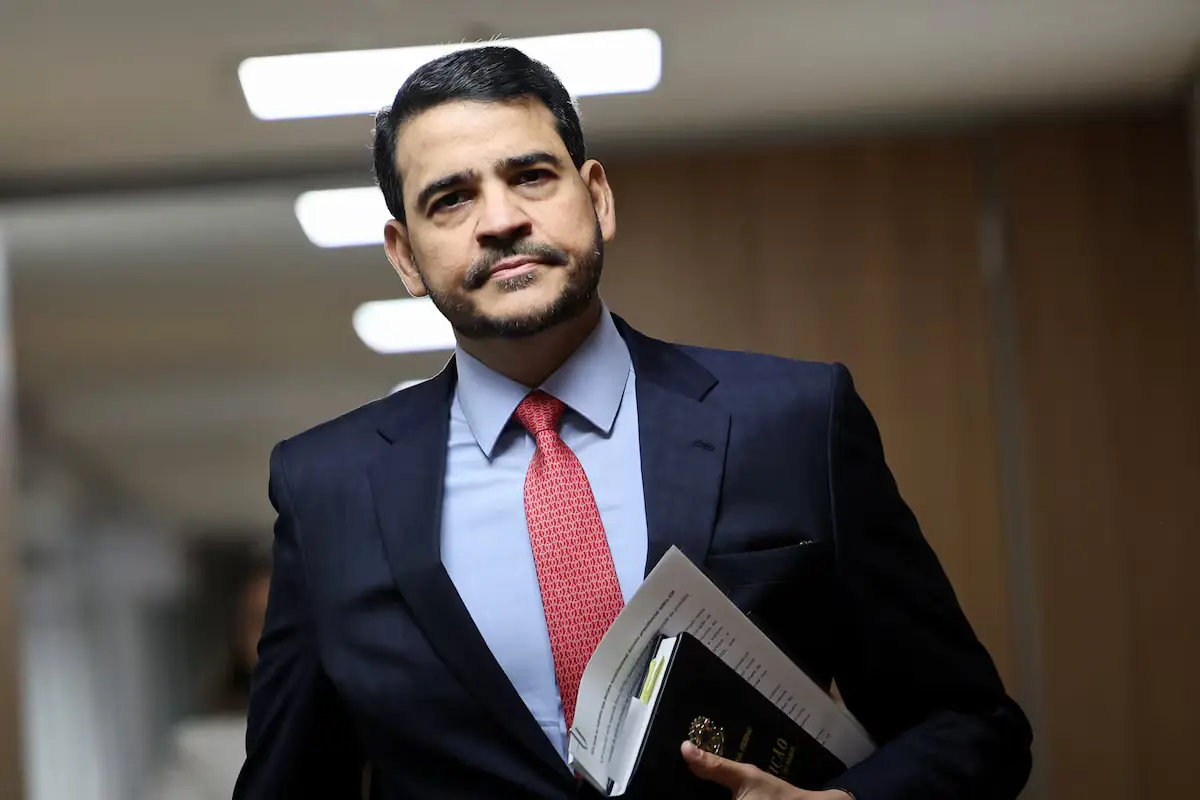
The White House revoked entry visas for Jorge Messias, Brazil’s Attorney General of the Union, and five other judicial figures. The U.S. applied similar restrictions to Supreme Court Justice Alexandre de Moraes.
The Trump administration grouped these judges with sanctioned actors such as cartel leaders and rogue state representatives under the Magnitsky Act.
President Donald Trump issued the cancellations after Brazil’s Supreme Federal Court condemned former president Jair Bolsonaro for plotting to overturn the 2022 election.
U.S. officials said they saw Brazil’s judicial actions as politically motivated and harmful to electoral integrity. President Luiz Inácio Lula da Silva called the moves arbitrary and an intrusion into Brazil’s judicial sovereignty.
The U.S. took very similar steps against Venezuela’s top judges in 2017. After Venezuela’s Supreme Tribunal of Justice invalidated the opposition-controlled National Assembly, it enabled President Nicolás Maduro to rule by decree.
In response, the Trump administration imposed visa bans on all sitting justices of that court. Washington accused them of undermining democracy and enabling authoritarian rule.
Just as with Brazil’s Attorney General Jorge Messias and Supreme Court Justice Alexandre de Moraes, those Venezuelan jurists found themselves grouped alongside drug traffickers and rogue-state actors under U.S. Magnitsky authorities.
In both cases, the visa revocations served as a direct rebuke of judicial actions seen as politically motivated and harmful to democratic norms.
More: Brazil news in English, every day from The Rio Times.
This article was produced by The Rio Times’ automated newsroom system. How we use AI · Report an error · Editorial responsibility: Matthias Camenzind, Editor-in-Chief
In depth