
SOUTH AFRICA · LOCAL ELECTIONS
A small South African party has more than doubled its national vote in the 4 November 2026 local elections, and that may make it the kingmaker in the country’s biggest cities. ActionSA, founded in 2020 and led by former Johannesburg mayor Herman Mashaba, won 5.68% of the national vote, up from 2.33% in 2021.
For US readers, the result matters because Johannesburg, Tshwane (the capital region around Pretoria) and Ekurhuleni, South Africa’s main industrial and business belt, have no party with a majority yet. The Democratic Alliance (DA), the second-largest party nationally and the leader of the vote in these cities, will need partners to govern them.
Key Facts
- The result ActionSA won 5.68% of the national vote on 4 November, against 2.33% in 2021.
- The seats The party holds 275 council seats so far, 56 from local ward races and 219 from party lists.
- The cities Ekurhuleni and Tshwane are hung; in Johannesburg the DA leads with about 35% of votes.
- What next The Electoral Commission of South Africa (IEC) has not yet declared final results; 99% of wards are counted.
- Prediction markets Polymarket, a real-money betting market, gives DA’s Helen Zille 53% to be Johannesburg mayor (7 November, 6:39 p.m. ET).
What the Count Shows
With 99% of wards counted, the IEC, the state body that runs South African elections, put ActionSA on 1,684,273 votes. That is a rise of 3.35 percentage points on its 2021 share, so the party now holds about 2.4 times the share it won last time.
The African National Congress (ANC), the party that has led the country since 1994, stood at 30.81% nationally, and the DA at 24.6%. The Umkhonto weSizwe (MK) Party, founded by former president Jacob Zuma, had 9.71%.
ActionSA’s 275 seats are a small slice of the 8,825 on offer across the country, and the IEC had allocated 95% of all seats at the time of reading. Its weight comes from where the seats sit, because it is competing for the same big-city voters as the DA and the ANC.
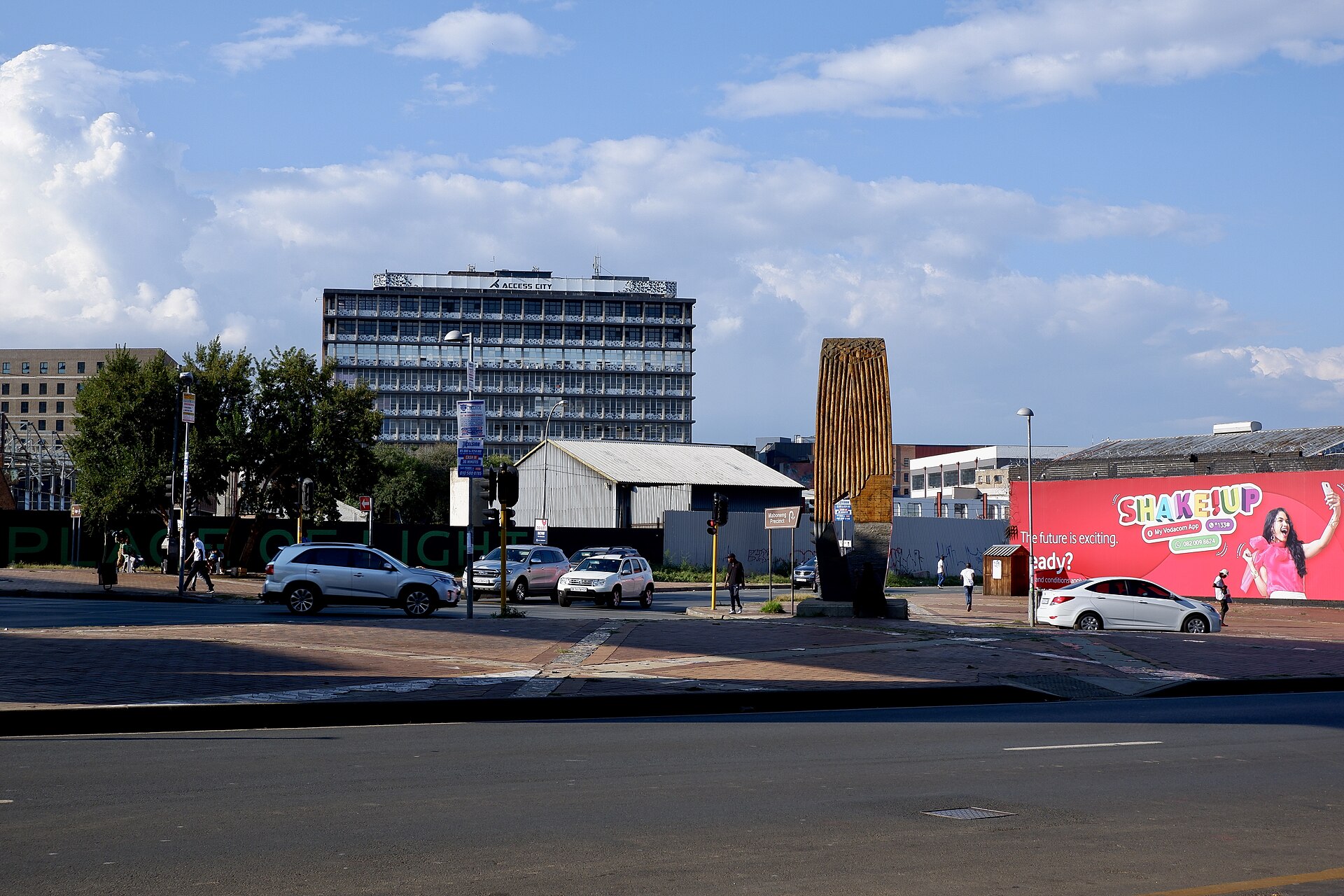
Why Three Cities Hang on One Party
A metro is a large city council that runs its own budget, water and electricity services. In a hung council no party has more than half the seats, so a mayor can only be elected with a coalition deal.
The IEC marks both Ekurhuleni and Tshwane as hung. In Johannesburg, a 270-seat council where 136 seats make a majority, the DA led with 34.84% of votes and the ANC had 20.26%, with seat counts still being completed.
Herman Mashaba, ActionSA’s leader, resigned as Johannesburg mayor and left the DA in 2019, a year before he founded his own party. Helen Zille, the DA’s candidate for Johannesburg mayor, is now his main rival for the job.
What Prediction Markets Say
Polymarket, which lets users bet real money on outcomes, gave Zille a 53.0% chance of becoming Johannesburg mayor and Mashaba 24.9% on 7 November at 6:39 p.m. ET. About US$148,838 had been traded on that market; prices are bets, not polls.
Why we show this: prediction markets turn real-money bets into a live probability that moves within minutes of the news, which is why investors, campaigns and newsrooms in the United States now follow them closely. We show them next to polls and official results, never instead of them.
What It Means for You
Johannesburg is South Africa’s largest city and its main business centre, so the coalition that runs it shapes budgets, basic services and investor confidence. Travellers and firms with staff there should expect weeks of bargaining before mayors are elected and council meetings begin.
The pattern also cuts both ways: a deal that includes ActionSA could stabilise a council, while a stalemate would leave city hall without a clear majority. For anyone following the national coalition government in Pretoria, local deals are an early test of how far the DA and ANC will cooperate or compete.
What Is Not Known
ActionSA’s final share and seat count in each metro are not yet published, and the IEC had not declared final results at the time of writing. It is also unknown whether the DA will meet ActionSA’s terms, and whether talks over Johannesburg, Tshwane and Ekurhuleni will start before the results are formally declared.
Related reading: how the hung councils are forming, South Africa’s coalition politics explained, the early Johannesburg count and the Ekurhuleni result. More on the South Africa hub.
Frequently Asked Questions
How much did ActionSA win in the 2026 local elections?
The Electoral Commission of South Africa (IEC) had ActionSA on 5.68% of the national vote with 99% of wards counted. That is up from 2.33% in the 2021 local elections.
What is a hung council in South Africa?
A hung council is one where no party holds more than half the seats. Parties must then agree a coalition to elect a mayor and pass a budget.
Are the South African election results final?
No, the IEC had not declared final results at the time of writing. Until it does, the figures can still change.
Sources: Electoral Commission of South Africa (IEC) results dashboard, results.elections.org.za, read 7 November 2026, 23:39 UTC, and its 2021 local election results; Polymarket market pages for the Johannesburg mayoral race, read 7 November 2026, 23:39 UTC.
This article was produced by The Rio Times’ automated AI newsroom. Editorial responsibility: Matthias Camenzind, Publisher and Editor-in-Chief. How we use AI · Report an error