Deadly Floods in Ghana and Ivory Coast Kill at Least 24
Africa · Western
Key Facts
—Death toll. At least 24 people killed across Accra and Abidjan in late June 2026, with 59 dead nationwide in Côte d’Ivoire since mid-May.
—Record rainfall. Accra received 140 mm of rain in 24 hours, the highest single-day total in years, with June 2026 the wettest month since 1995.
—Emergency funding. Ghana’s President Mahama released GHS 300 million (US$27–29 million) for flood relief and deployed the armed forces for rescue operations.
—Displacement. Over 7,700 households and nearly 39,000 individuals affected in Greater Accra alone, with more than 470 people rescued by emergency services.
—Asset risk. The World Bank estimates US$3.2 billion in economic assets are at flood risk in Greater Accra, a figure likely to quadruple by 2050 without mitigation.
The Accra and Abidjan floods of late June 2026 killed at least 24 people across the two West African capitals, exposing the deep financial and governance failures that turn seasonal rains into recurrent humanitarian emergencies along the Gulf of Guinea.
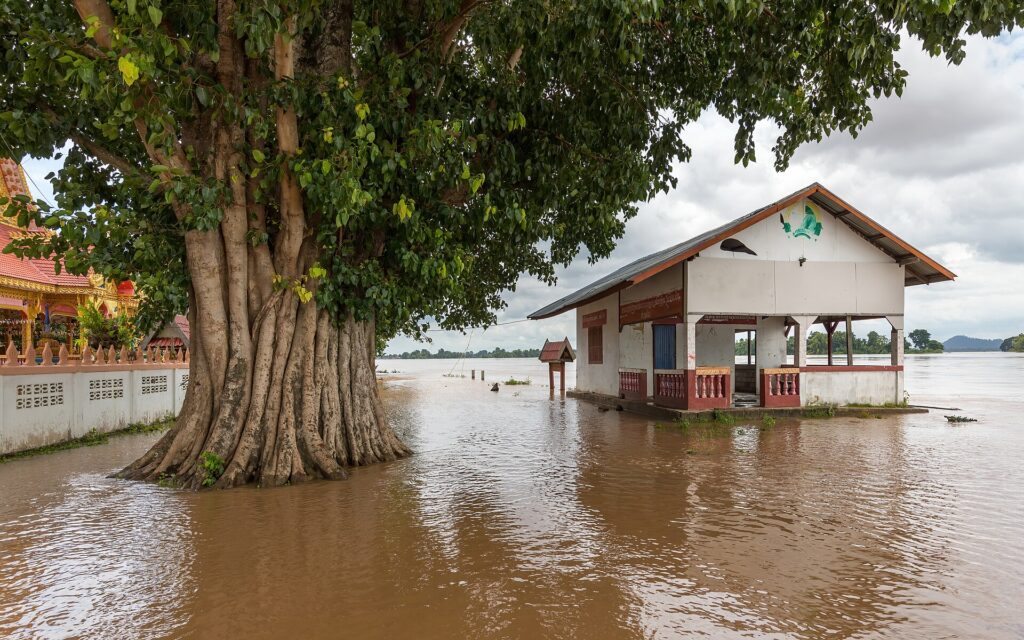
What happened when the rains hit Accra and Abidjan
The most severe downpour struck Accra overnight from Sunday 28 June into Monday 29 June 2026, triggering flash floods across the Greater Accra Region. In Abidjan, heavy rains had already been pounding the city through the second half of June, with a particularly deadly landslide hitting the hillside neighbourhood of Attécoubé.
Ghana’s National Fire Service confirmed at least 12 deaths, including a mother and child swept away in the Achimota–Agbogbloshie district. Rescue teams saved more than 470 people, while the interior ministry reported 7,761 households displaced and seven people still missing as of 30 June.
In Côte d’Ivoire, the toll was heavier. Government spokesman Amadou Coulibaly announced on 1 July that 59 people had died nationwide since mid-May, with around 20 killed in a single late-June event in Abidjan’s Attécoubé district alone.
Record-breaking rainfall meets chronic urban vulnerability
President John Dramani Mahama said preliminary data showed about 140 millimetres of rain fell on Accra in roughly 24 hours. He called it the highest rainfall recorded in years, noting the highest single-day total in 2025 was around 56 mm.
Interior Minister Mubarak Mohammed Muntaka told parliament that June 2026 registered 593.2 mm of rain, the highest monthly total since 1995. Some 169.2 mm fell in one 24-hour period linked directly to the floods.
An analysis by World Weather Attribution confirmed the event is consistent with a pattern of periodic, intense floods that erode household assets and limit recovery capacity. Climate change and rapid urbanisation are jointly intensifying flood risk along the Gulf of Guinea coast, including in both Accra and Abidjan.
The money at stake: emergency spending and long-term asset risk
President Mahama ordered the immediate release of GHS 300 million (US$27–29 million) for flood relief and mitigation. He also deployed the Ghana Armed Forces and police to support the National Disaster Management Organisation in rescue and relief operations across Accra.
The World Bank estimates that about US$3.2 billion in economic assets are currently at risk of flooding in Greater Accra. Without additional mitigation, that figure is likely to quadruple by 2050.
A broader World Bank study on coastal cities in Sub-Saharan Africa finds urban infrastructure worth about US$204 million per year across the region is at risk from coastal and rainwater flooding. Accra, Lagos, Cape Town, Durban and Luanda are among the highest-risk cities, each facing more than US$10 million per year in infrastructure exposure.
Governance gaps: why the Accra and Abidjan floods keep happening
Ghana has secured almost US$1 billion in international financing over the past two decades for flood control, sanitation and urban water projects, according to research compiled by local broadcaster JoyNews. Despite this, recurring floods reveal persistent implementation and governance gaps.
The UNDP describes Accra’s flood severity as largely human-induced, driven by indiscriminate solid waste disposal, encroachment on floodplains, and infrastructure that has not kept pace with rapid urban growth. In Abidjan, authorities noted that some victims died after returning to high-risk sites previously cleared by the government.
Each major flood triggers promises of reforms and new funding, but the pattern of implementation shortfalls feeds public scepticism. The UNDP argues that cities need a second pillar of resilience—financial protection including insurance, contingent credit, and pre-arranged emergency funding—to prevent disasters from becoming fiscal and macroeconomic shocks.
The great-power dimension: climate finance and geopolitical leverage
The Accra and Abidjan floods sit at the intersection of climate vulnerability, urban governance and international finance. Western governments and development banks present flood mitigation and climate adaptation finance as part of a rules-based, climate-justice agenda, while Chinese contractors and financiers are heavily involved in urban infrastructure across both Ghana and Côte d’Ivoire.
Even when headline projects are not labelled climate-focused, they alter hydrology and settlement patterns, sometimes increasing exposure when drainage and flood risk are under-designed. This raises questions about the risk profile of Belt and Road-style infrastructure in coastal Africa, a theme explored in our pillar series Africa: The New Scramble.
For recipient governments, securing grants and concessional loans for resilient infrastructure has become a central diplomatic objective. Multilateral lenders and climate funds gain influence over urban planning priorities, procurement standards and governance reforms embedded in loan conditionality.
What business and investors should watch next
Key logistics hubs, ports and consumer markets in coastal West Africa are exposed to recurrent floods with potential multi-day or multi-week disruptions. The UN estimates around 7.5 million people along the West African coastal belt are currently at risk, with further heavy rainfall forecast during the 2026 rainy season.
Flood events accelerate regulatory changes—new building codes, environmental enforcement and zoning rules—that can affect property portfolios, industrial sites and informal supply networks. Companies operating in flood-prone areas face rising expectations to support resilience, not simply recover operations.
Firms in logistics, agriculture, real estate and utilities increasingly find their asset valuations and borrowing costs linked to quantified flood risk through ESG metrics and credit analysis. This gives global investors indirect leverage over local planning decisions, a dynamic that will intensify as climate stress grows.
Connected Coverage
More: Ghana news in English, every day from The Rio Times.
Frequently Asked Questions
How many people died in the Accra and Abidjan floods of June 2026?
At least 24 people died across the two capitals, with 12–13 confirmed dead in Accra and around 20 killed in Abidjan’s Attécoubé district. Nationwide, Côte d’Ivoire reported 59 flood-related deaths since mid-May 2026, while Ghana’s toll remained at 12–13 from the late June event.
What caused the severe flooding in Accra and Abidjan?
Record rainfall—140 mm in 24 hours in Accra, the highest in years—combined with poor drainage, blocked gutters, unauthorised construction on waterways and inadequate urban planning. The World Weather Attribution group confirmed climate change and rapid urbanisation are jointly intensifying flood risk along the Gulf of Guinea coast.
How much emergency funding did Ghana release for flood relief?
President John Mahama ordered the release of GHS 300 million (approximately US$27–29 million) for flood relief and mitigation. He also deployed the Ghana Armed Forces and police to support rescue operations, which saved more than 470 people across Greater Accra.
Sources
Sources: Ghana's President Mahama; World Bank.
This article was produced by The Rio Times’ automated newsroom system. How we use AI · Report an error
LatAm Markets: Live Signals → — real-time movers, turnover leaders and FX across Latin America.
Read More from The Rio Times