The Zanzibar Unity Government Reserves Seats for the Election Loser. They Have Sat Empty for Ten Months.
TANZANIA · POLITICS
Key Facts
- —The place Zanzibar, a semi-autonomous island archipelago with its own president, parliament and constitution.
- —The rule Since a 2010 referendum, any party winning 10% of the presidential vote must join the government.
- —Why Zanzibar’s elections were violently disputed for two decades. Power-sharing was the fix.
- —What happened The ruling party won in October 2025 with 74.8%. The opposition took 23.2% and rejected the result.
- —The consequence A vice-presidency and four ministries have sat empty since November.
- —The catch A committee launched on Monday is meant to fill them. It has a three-month target.
Most countries argue about how to share power. Zanzibar wrote the answer into its constitution and is still arguing.
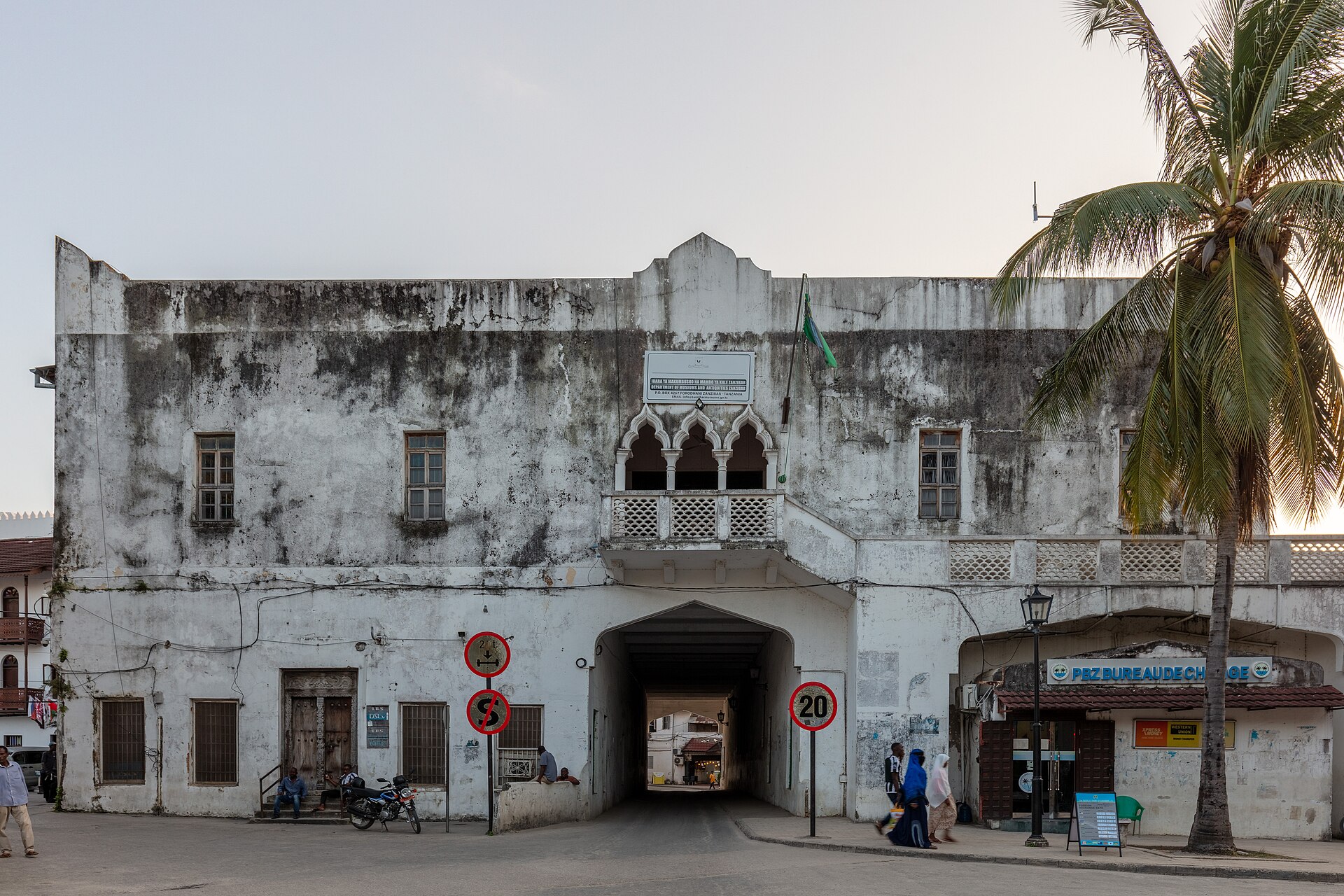
Zanzibar is an island archipelago off the Tanzanian coast with its own president, parliament and constitution. Written into that constitution is a rule called the Zanzibar unity government.
Lose the presidential election respectably and you are entitled to help run the islands. Zanzibar has been part of Tanzania since 1964, and never entirely comfortable about it.
That entitlement is automatic rather than negotiated after the count. It exists because of what used to happen when it was not.
Why That Rule Exists
Zanzibar’s elections were violently disputed for twenty years. The worst came in 2001, when a crackdown on Pemba island killed around 35 people and injured some 600.
In July 2010 Zanzibaris voted in a referendum on a different arrangement. Just over 66% backed amending the constitution to create a Zanzibar unity government.
Under it, any party taking at least 10% of the presidential vote must be included. The losing party nominates the First Vice-President and shares out ministries.
It worked for five years, collapsed around an annulled election in 2015, and was revived in 2020. The point of it was to remove the incentive to fight over results.
What Happened Last October
Zanzibar voted on 29 October 2025 and President Hussein Ali Mwinyi was re-elected. He took 74.8%, or 448,892 votes.
Othman Masoud Othman of ACT Wazalendo took 23.22%, or 139,399 votes. That comfortably cleared the 10% threshold, so the constitution obliged his party to enter government.
ACT Wazalendo rejected the result and refused. Mwinyi left the First Vice-Presidency and four ministries vacant for its nominees, initially for up to ninety days.
Those posts are health, tourism and heritage, trade and industrial development, and the vice-president’s own office. Ten months later they are still empty.
Othman Masoud Othman is therefore the former First Vice-President, and the post is vacant rather than filled by someone else. Several accounts still describe him as holding it.
The Mainland Context
What happened in Zanzibar cannot be separated from what happened across the water on the same day. The union-wide election returned President Samia Suluhu Hassan with 98% of the vote.
The main opposition figures were not on the ballot. One was in jail facing a treason charge and another had been disqualified in August.
Southern African and African Union observers reported irregularities and intimidation, and European Union observers said the elections were neither free nor fair. A nationwide internet blackout and a night curfew followed.
A government inquiry reported in April 2026 that at least 518 people were killed. Its own chairman said the figure might be an undercount, and the opposition puts it far higher.
Those killings were on the mainland. No source documents comparable violence in Zanzibar, where the electoral commission and the president described the vote as peaceful.
The islands had their own legal fight instead. ACT filed 25 petitions and 19 were dismissed in January 2026, on the ground that such disputes belong to mainland courts.
What Was Launched on Monday
A ten-member joint committee began work on 14 September 2026, appointed the day before. It is co-chaired by the deputy secretaries-general of the two parties.
Omar Ali Shehe sits for ACT Wazalendo and Abdi Mahmoud Abdi for the ruling party. The Zanzibar unity government is what they are meant to complete.
Its job is to implement an accord signed on 9 July 2026 at State House. The signatories were the same two deputy secretaries-general, not the president and the opposition leader.
Talks began in November 2025, facilitated by two former Zanzibari presidents. The agreement covers constitutional review, electoral reform, the civil service, the judiciary and local government, though accounts of the exact list differ.
The Citizen reports a three-month target for the committee’s work, extendable. No other outlet covering the launch mentions a deadline.
What Is Actually at Stake
Othman Masoud set conditions in August for entering government. He wants verified implementation, oversight mechanisms, a joint committee and a legal oversight commission running to 2030.
The committee launched on Monday answers one of those four. On the same day Mwinyi appointed two ACT figures to the House of Representatives, which was read locally as a signal.
Zanzibar’s economy runs substantially on tourism, and tourism runs on the perception of calm. An unfilled vice-presidency is a standing advertisement that the 2025 election was never settled.
That is the practical reason a committee of ten people matters. Filling four ministries would close a dispute that has been open since October.
More: Africa news in English, every day from The Rio Times.
Frequently Asked Questions
What is the Zanzibar unity government?
A power-sharing arrangement created by a 2010 referendum, under which any party winning at least 10% of the presidential vote must join the government. The losing party nominates the First Vice-President and shares ministries.
Why are seats empty?
ACT Wazalendo took 23.22% in the October 2025 election, clearing the threshold, but rejected the result and refused to take up the First Vice-Presidency and four ministries reserved for it.
Who won the Zanzibar election?
President Hussein Ali Mwinyi, with 74.8% or 448,892 votes. Othman Masoud Othman of ACT Wazalendo took 23.22%, or 139,399 votes.
What was launched on 14 September?
A ten-member joint committee to implement a reconciliation accord signed on 9 July 2026, co-chaired by the deputy secretaries-general of both parties. The Citizen reports a three-month target.
Was there violence in Zanzibar?
No source documents comparable violence on the islands, where officials described the vote as peaceful. A government inquiry found at least 518 people were killed in mainland Tanzania, a figure the opposition says is far too low.
Sources: The Citizen, The Chanzo and The Respondents of 2025 and 2026, Capital FM, Human Rights Watch and the Zanzibar Electoral Commission report.
This article was produced by The Rio Times’ automated newsroom system. How we use AI · Report an error
Read More from The Rio Times