Venezuelan Migrants Face Stricter Controls as Peru Addresses Rising Crime
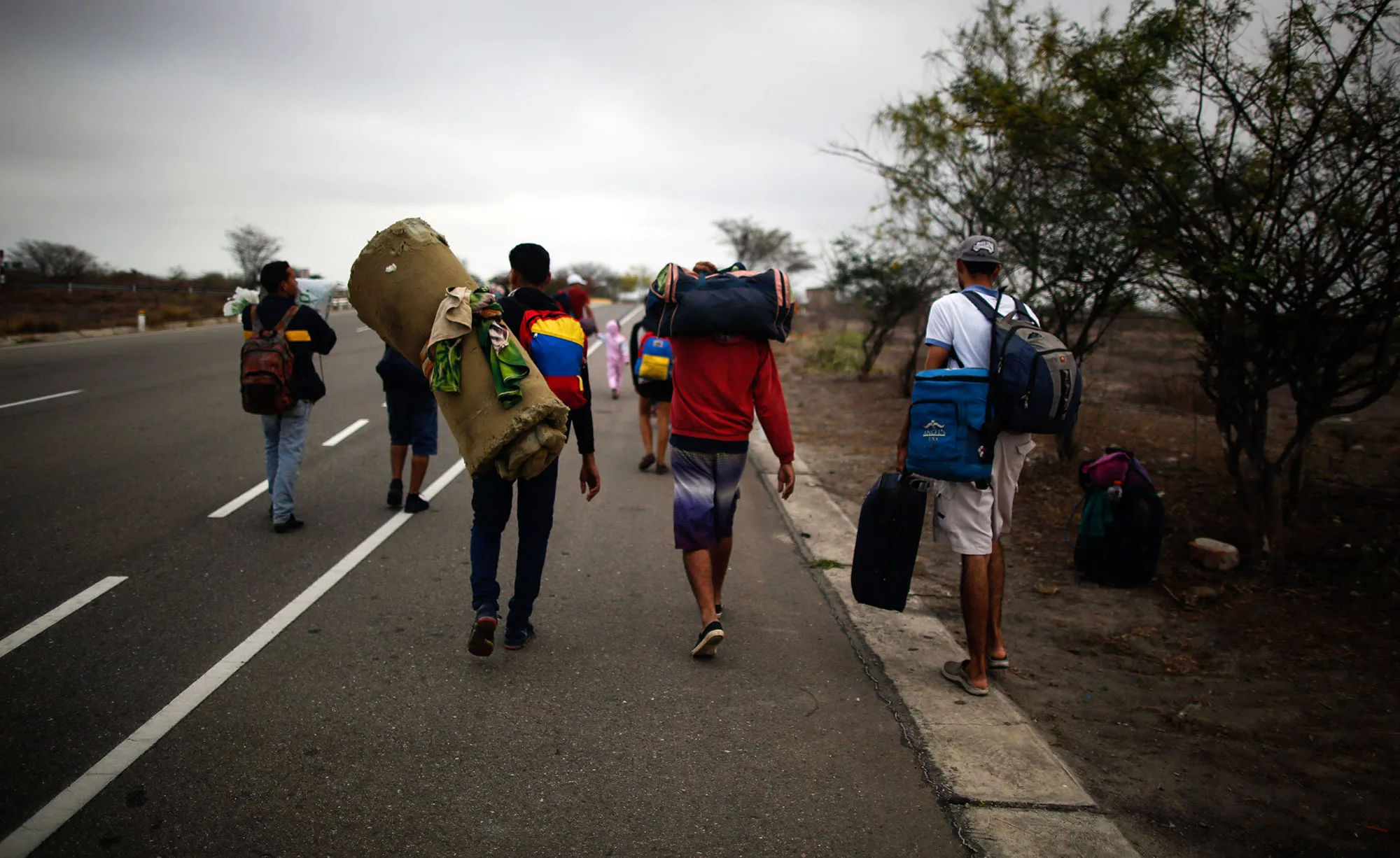
Peru has announced new measures to regulate the activities of Venezuelan migrants, linking them to rising crime rates. President Dina Boluarte has introduced policies requiring Venezuelans to present valid labor and rental contracts.
She argues that these steps will help address the country’s growing security concerns, particularly extortion and contract killings.
In a recent press conference, Boluarte explained her administration’s decision. She emphasized the need to ensure that Venezuelan migrants are legally employed and have legitimate housing.
By doing so, the government aims to monitor their activities more closely. Additionally, the Peruvian government plans to scrutinize remittances sent by Venezuelans back home.
Authorities intend to track these financial transfers to identify their sources. Boluarte stated that those unable to explain their income sources would face consequences.
The government also seeks to prevent property owners from renting to individuals who cannot verify their income. To achieve this, they will collaborate with the Superintendencia Nacional de Aduanas y de Administración Tributaria (SUNAT) for better oversight.
Peru’s National Strike and Government Response to Crime
These measures were announced ahead of a national strike organized by transport workers and other sectors. The groups involved have demanded action against the surge in extortion cases, which reportedly increased fivefold between 2021 and 2023.
Critics argue that linking crime predominantly with migrants could fuel xenophobia and discrimination against Venezuelans in Peru. Some question whether these measures will effectively reduce crime or merely serve as a scapegoat for broader issues.
Despite facing backlash for similar remarks in the past, Boluarte remains firm on her stance. In April 2023, she attributed daily criminal acts primarily to foreign nationals, drawing widespread criticism.
The Peruvian government’s decision reflects ongoing concerns about national security and crime rates. While intended as a response to public demand for action against extortion and violence, these measures raise questions about their impact on migrant communities.
As this situation unfolds, authorities must balance security measures with human rights considerations for all residents within the country. The effectiveness of these policies in addressing the root causes of crime remains uncertain.
More: Peru news in English, every day from The Rio Times.
This article was produced by The Rio Times’ automated newsroom system. How we use AI · Report an error
In depth
Read More from The Rio Times