Venezuela Gas Pipeline to Colombia Needs Repair and Reopening, Group Says
VENEZUELA · ENERGY
Key Facts
- —What happened Naturgas, Colombia’s natural gas association, called on 30 September 2026 for the idle pipeline between Venezuela and Colombia to be repaired and reopened (Descifrado).
- —Why it matters Naturgas says the line could help Colombia cover a gas deficit that puts several industries at risk (Descifrado, 30 September).
- —The pipeline The Antonio Ricaurte line runs 225 kilometres from Venezuela’s Zulia state to La Guajira in northern Colombia (Descifrado, April 2026).
- —The hurdle The repair project is waiting for a licence from the US Treasury Department, because of US sanctions on Venezuela (Descifrado, 30 September).
- —Still open No repair cost or reopening date was given on 30 September.
A Colombian industry group wants the Venezuela gas pipeline back in service, but it first needs repairs and a US licence.
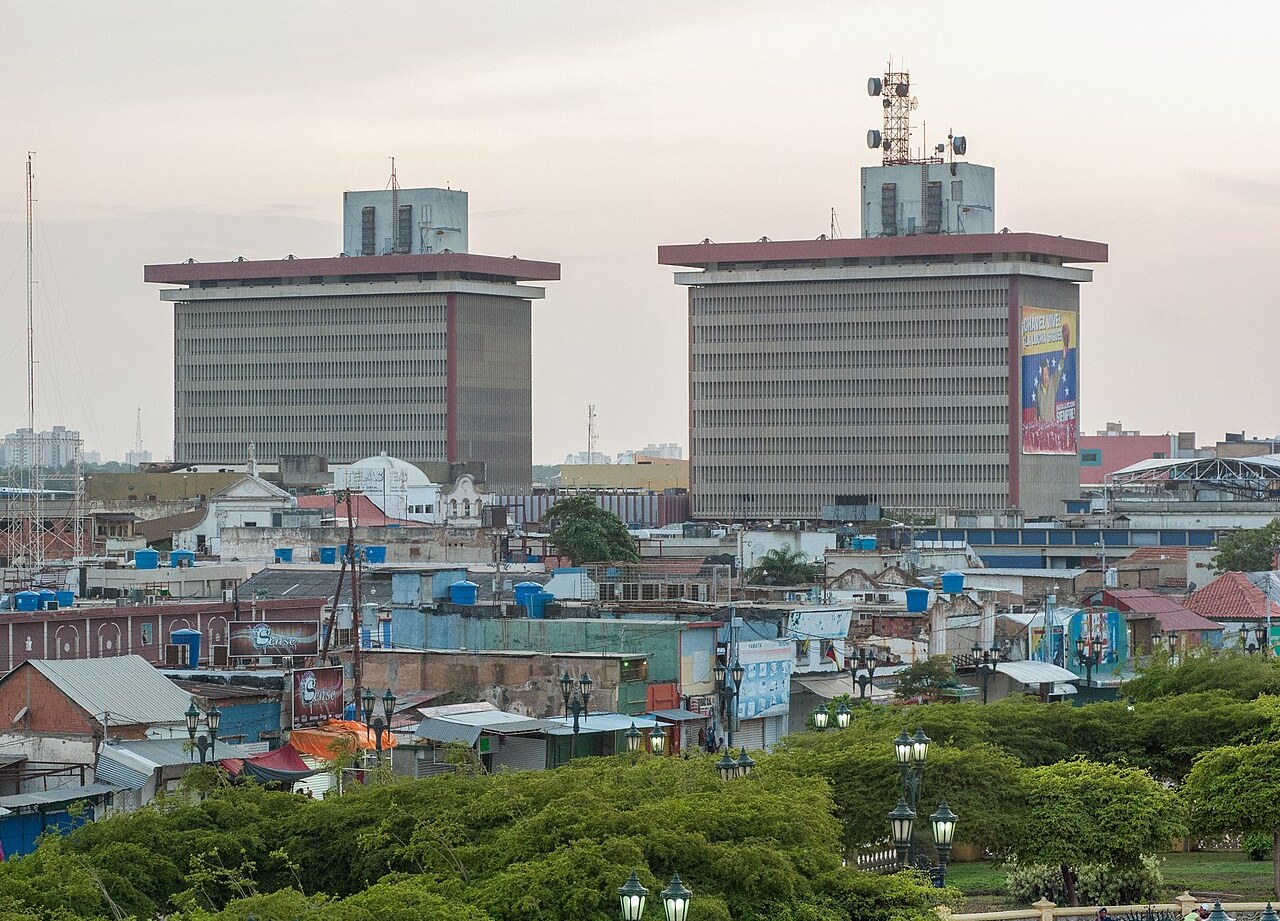
Colombia’s natural gas association, Naturgas, called on 30 September 2026 for the idle pipeline to Venezuela to be repaired and reopened soon. Its president said the line could help Colombia cover a gas shortfall that puts several industries at risk.
A call made in Caracas
Luz Stella Murgas, president of Naturgas, spoke at an energy conference in the Venezuelan capital, Caracas, the Venezuelan news site Descifrado reported. “It is not in optimal condition”, she said of the pipeline.
The line has been idle for several years and needs repair work before it can carry gas again. The project also needs a licence from the US Treasury Department, because US sanctions restrict business with Venezuela.
Naturgas has not been specific about the cost of the repairs or a date for reopening.
The pipeline and its route
The Antonio Ricaurte pipeline is 225 kilometres long, Descifrado reported in April. It connects Zulia, Venezuela’s western oil state, with La Guajira, a department in northern Colombia.
It was built to carry gas in both directions, but years without use have taken a toll on it. Any new flow would run from Venezuela to Colombia, whose own gas fields are in decline.
Venezuela has large gas reserves, mostly found together with oil, said Rubén Pérez of the Venezuelan Association of Gas Processors (AVPG). Pérez, the association’s vice-president, said about 80% of them are linked to oil fields. The problem has been management, not a lack of resources, he told the radio station Unión Radio in March.

Why Colombia is looking east
Colombia has turned to imported liquefied natural gas (LNG), which arrives by ship. It pays between US$12 and US$13 per million British thermal units, a standard energy measure, Pérez said.
Locally produced Colombian gas sells at about US$8, by his figures. He estimated that Venezuelan gas could cost at most about US$6, a saving of almost 50% against imports.
That figure is his estimate, not a contract price. Pérez also said PDVSA, Venezuela’s state oil company, must give open access to any producer who wants to use the pipeline.
Sanctions decide the timing
In April, Ecopetrol, Colombia’s state-controlled oil company, asked the Office of Foreign Assets Control (OFAC) for a licence to work in Venezuela. OFAC is the US Treasury office that enforces sanctions.
Ecopetrol’s main interest was importing Venezuelan gas through the pipeline and later investing to restore it, Descifrado reported. On 30 September, Ecopetrol said its president, Joaquín Gutiérrez, was attending the International Oil and Gas Congress in Caracas.
The company said it was there to look for opportunities, within the general licences OFAC has issued for Venezuela. It added that it had carried out due diligence and risk checks before taking part.
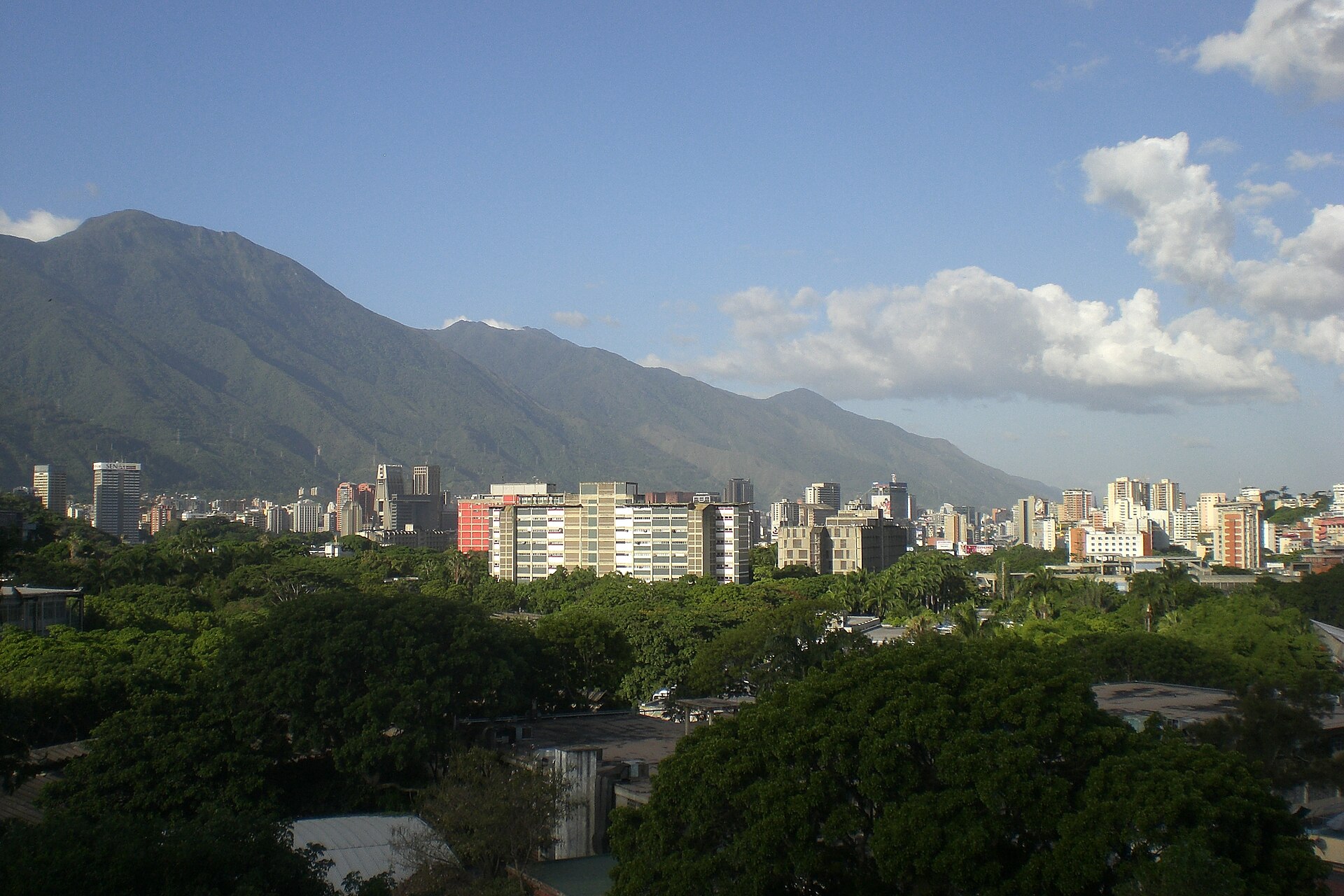
Venezuela’s own needs come first
Venezuela has gas, but much of it already serves local power plants and homes. The offshore Cardón IV field is the country’s most important gas project, Descifrado reported in March. Spain’s Repsol and Italy’s Eni own it in equal shares.
It produces about 16.4 million cubic metres (580 million cubic feet) a day, project manager Francisco Martínez said on 30 September. All of it goes to Venezuela’s domestic market, mainly to generate electricity.
A second phase with new wells could lift output to about 18.3 million cubic metres (645 million cubic feet) a day. Cardón IV gas supplies western Venezuela, including homes in Maracaibo, and almost half flows on to central regions, Pérez said.
Pérez warned in March that exports to Colombia were “still a bit far” away. Many potential Venezuelan customers need gas first, he said, so he proposed exports that can stop when domestic demand rises.
A slow thaw between neighbours
The pipeline is part of wider talks between the two governments. Colombian President Gustavo Petro met Venezuela’s acting president, Delcy Rodríguez, in Caracas on 24 April, Descifrado reported.
Security led the public agenda, but energy cooperation and trade were also discussed. For Colombian factories and households, a working pipeline would add another supply route besides imported LNG.
For Venezuela, it would open an export market next door. The licence decision in Washington and the repair work will set the pace, and neither side has published a timetable.
More: Venezuela news, every day from The Rio Times.
Frequently Asked Questions
What is the Venezuela gas pipeline to Colombia?
It is the Antonio Ricaurte pipeline, a 225-kilometre line between Venezuela’s Zulia state and La Guajira in northern Colombia. It has been idle for several years and needs repairs.
Why does it need a US licence?
US sanctions restrict business with Venezuela’s energy sector. Companies need authorisation from the US Treasury Department, through its Office of Foreign Assets Control, to take part in the project.
Would Venezuelan gas be cheaper for Colombia?
Rubén Pérez of the Venezuelan gas processors’ association estimated in March that it could cost at most about US$6 per unit. The unit is one million British thermal units; by his figures, Colombia pays US$12 to US$13 for imported LNG.
Sources: Descifrado · Descifrado · Descifrado · Descifrado · Descifrado · Descifrado
This article was produced by The Rio Times’ automated newsroom system. How we use AI · Report an error
In depth
Read More from The Rio Times