Venezuela: Government, Opposition Restart Talks on Courts and Vote
VENEZUELA · POLITICS
Key Facts
-
—
What happened. Government and opposition delegations resumed a second round of talks in Caracas on 15 September. -
—
Who’s at the table. Dinorah Figuera, once head of the 2015-elected National Assembly, leads the opposition side. -
—
The catch. Opposition leaders María Corina Machado and Edmundo González are not part of these US-brokered talks. -
—
What’s on the agenda. Renewing the Supreme Court (TSJ) and the National Electoral Council (CNE) top the list. -
—
Why it matters. Machado says conversations with the US State Department point to a new CNE before year-end. -
—
What comes next. Negotiators could announce a new Supreme Court mechanism as soon as next week.
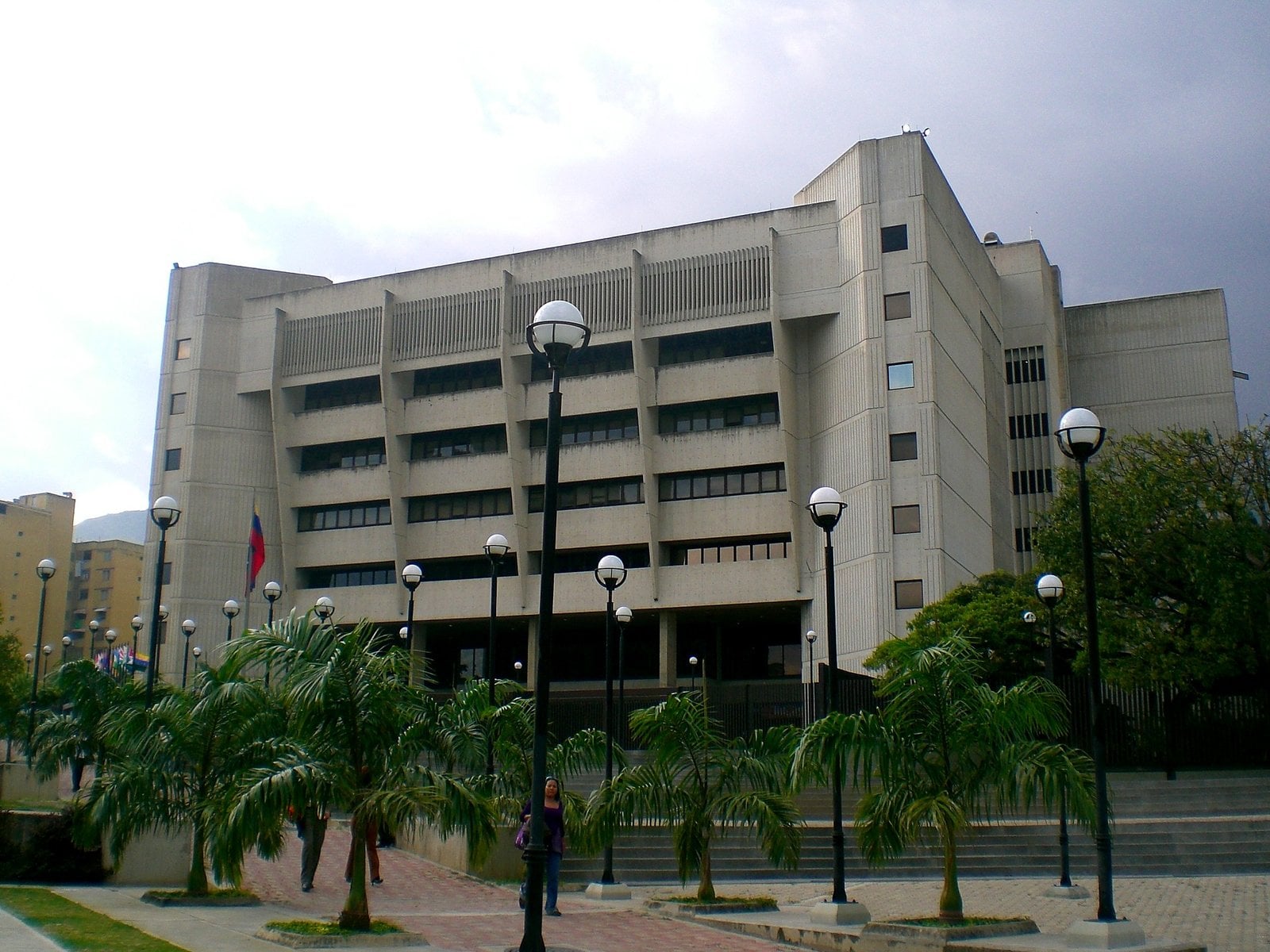
Talks Resume in Caracas
Venezuela’s government and a sector of the opposition sat back down on Monday for a second round of negotiations. Opposition chief negotiator Dinorah Figuera flew into Caracas on Sunday to lead the delegation.
She landed at Simón Bolívar International Airport alongside several of her fellow delegates. The talks are facilitated by the United States, part of a process that began earlier this year.
The process took shape after Nicolás Maduro’s capture by US forces in January reordered Venezuelan politics. Delcy Rodríguez has governed as acting president since, while Washington and Caracas have tested a cautious diplomatic reset.
Who Is Actually Negotiating
Six delegates make up the opposition’s core team alongside Figuera. They are Ramón López, Jorge Millán, Juan Miguel Matheus, Marco Aurelio Quiñones and Sergio Vergara.
A four-member technical commission backs them on legal and procedural detail. Notably absent are María Corina Machado and Edmundo González Urrutia, the opposition’s best-known figures.
Both have stayed outside this US-brokered channel even as it edges toward decisions that affect their own political future. Machado, however, has said she is separately in contact with Washington about the process.
Courts and Elections, in That Order
The first round, held in August, produced an agreement on reinstitutionalizing the Supreme Court. Negotiators settled on a mechanism for appointing 32 magistrates across six chambers.
That round also touched three contested laws: the Hate Law, the NGO Control Law and a counterterrorism statute. The opposition wants all three revised or repealed as part of any wider deal.
This second round turns to political and civil guarantees, freedom of expression, and the broader electoral pathway. Renewing the CNE’s leadership sits at the center of that electoral discussion.
Figuera said the goal is to “lay the foundations for an electoral process” that reflects what Venezuelans actually want. Delegate Jorge Millán said the aim is a Supreme Court with judges who are “honorable, independent and impartial.”
The Sticking Point Over Machado
One dispute threatens to slow everything down. The opposition wants the Comptroller’s Office bans that blocked Machado from running lifted outright.
The government instead treats the TSJ’s disqualification rulings as settled matters, or “cosa juzgada.” It has floated a broader pardon framework rather than reviewing individual cases like hers.
A Cautiously Optimistic Read
Machado struck a hopeful tone this week despite sitting outside the formal talks. She said her own conversations with the US State Department give her reason to expect a new CNE named before year-end.
She has described Washington’s approach as moving through three phases: stabilization, economic recovery and democratic transition. In her assessment, the stabilization phase has already concluded.
Political analysts Ricardo Ríos and Guillermo Tell Aveledo called August’s outcome a set of “moderate achievements.” Civil society groups had separately urged negotiators to move faster on both the CNE and the TSJ.
What Comes Next
Figuera has suggested an announcement on the Supreme Court mechanism could land as soon as next week. No fixed date has been set for naming new CNE leadership.
Machado’s target, by her own account, is before 31 December. Whether that holds depends on how this round handles the guarantees and disqualification questions still on the table.
Both delegations have kept details of the closed-door sessions scarce so far. Public statements have come mostly from Figuera and Millán, with the government side saying comparatively little.
Why the Two Institutions Matter
The TSJ and the CNE sit at the center of almost every dispute over Venezuelan democracy. Both bodies have been stacked with government loyalists for years, opposition figures say.
A reshaped Supreme Court would rule on future disqualification cases like Machado’s. A reshaped electoral council would set the rules for whatever vote comes next.
That is why negotiators from both sides describe these two items as the real test of the process. Guarantees and prisoner releases matter, but courts and elections decide who governs afterward.
What is the TSJ?
The Tribunal Supremo de Justicia is Venezuela’s highest court. Its composition has long been a flashpoint between the government and its opponents.
What is the CNE?
The Consejo Nacional Electoral runs Venezuela’s elections. Control over its leadership shapes how competitive any future vote will be.
Is this the same as Machado’s talks with Washington?
No. The Caracas table is a separate, government-opposition channel that Machado and González are not part of.
How long is this round expected to last?
No end date has been announced. Figuera’s own comments suggest at least a week of sessions before any results are made public.
Sources: El Nacional, Infobae, Primicias, Diario Libre, Reporte Confidencial, Efecto Cocuyo.
This article was produced by The Rio Times’ automated newsroom system. How we use AI · Report an error
Read More from The Rio Times