Valparaíso’s Free Dance Biennial Ends This Week, and Tonight Is the Big One
Chile · Dance
Key Facts
- —What happened Valparaíso’s free contemporary dance biennial closes this week, with two shows tonight and one Friday.
- —How big a jump Nine works on migration, mental health and the 2019 revolt run free across three venues in the region.
- —The catch If you miss these two nights, the next edition only comes in 2028.
- —Who it touches Performances are at Parque Cultural de Valparaíso on Cerro Cárcel, with limited seating.
- —What comes next Thursday’s double bill starts at 7 pm; Friday’s closing work estado #3 follows at 7 pm.
Nine works about migration, mental health, the 2019 revolt and the city’s abandoned lifts — all free, all nearly over.
A free contemporary dance festival is finishing in Valparaíso this week, and it has run with very little noise. The Valparaiso dance biennial closes on Friday 21 August, which makes tonight your second-to-last chance to catch it.
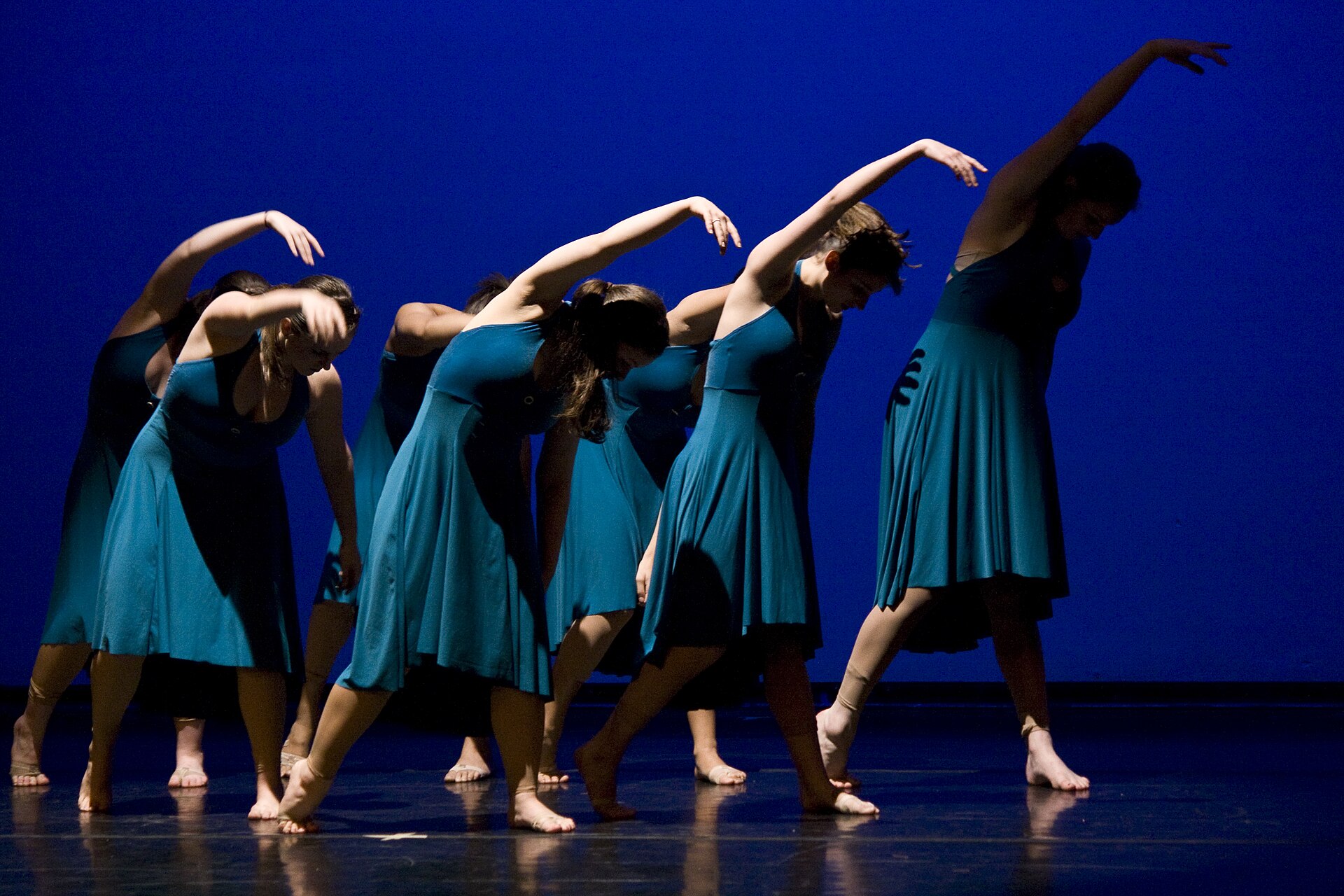
Valparaiso dance biennial: what is on, and when
Tonight, Thursday 20 August, two works at 7 pm at the theatre of the Parque Cultural de Valparaíso, on Cerro Cárcel: Mi sombra en el azul de un reflejo, by the Cooperativa de Artes Escénicas La Fuga under Mone Fritis Castro, and 18.O Cenizas de la revuelta, by Compañía Consecuencia under Paola Gamboa Jiménez.
Tomorrow, Friday 21 August, the biennial closes at 7 pm at the same venue with estado #3, by hangar_espacio_, directed by Soledad Medina and Marta Núñez.
Each performance night also carries a conversation with the companies afterwards, which is where these things tend to be most useful if you are new to the form.
What the nine works are about
This is not abstract movement for its own sake. The programme is unusually direct about its subjects.
Como en un limbo, by Compañía DanzaLa under Javiera Walker Alarcón, is about migration. La política del malestar, directed by Pita Torres, is about mental health.
18.O Cenizas de la revuelta takes on Chile’s 2019 estallido social.
Mi sombra en el azul de un reflejo works on LGBTIQANB+ identity. Un pedazo de vida. Percepción VI, by Meconio Lab under Fran Tuñón Vidal, sits in the dance-theatre and Butoh tradition.
And Máquina de gloria y olvido, by Compañía Amateur under Marco Ignacio Orellana, is about the abandonment of Valparaíso’s ascensores — the hillside funiculars that are the city’s emblem and, increasingly, its ruin. If you only read one line of the programme, read that one: it is a dance piece about municipal neglect, made in the city it is about.
The part that happened in the neighbourhoods
Alongside the theatre programme, the biennial ran free workshops in community spaces rather than in cultural institutions — the Centro Comunitario Las Cañas, the Espacio Comunitario Santa Ana, two neighbourhood associations including one in Porvenir Bajo, and the public library in Playa Ancha.
The workshop titles tell you what the intent was: “Moving from the collective”, “Conscious movement: bodies with history”, “Dance and health”. This is the part of a publicly funded arts programme that rarely gets written about, and it is usually the part that justifies the funding.
The biennial has also used three venues rather than one, spreading across the Parque Cultural de Valparaíso, the Teatro Municipal de Valparaíso and the Teatro Municipal de Viña del Mar. For a regional biennial rather than a city one, that geography is the point: it is programmed for the Valparaíso Region, not for a single hill in the port.
The earlier August dates included Máquina de gloria y olvido at the Teatro Municipal de Valparaíso on 15 August and a double bill on 19 August. Both have passed; what remains is tonight and tomorrow.
Getting to the Parque Cultural
The Parque Cultural de Valparaíso is on Cerro Cárcel, at Calle Cumming 590 — the site of the city’s former prison, converted into a cultural centre. It is uphill from the flat part of the port, and the walk is steeper than it looks on a map.
From Plaza Sotomayor or the Congreso end, a taxi or colectivo up the hill is the sensible option after dark. The ascensores that would once have done this job are much of the reason one of the biennial’s own works exists.
A 7 pm start makes this an easy evening to combine with dinner afterwards in the Cerro Alegre and Cerro Concepción restaurants, which are a short ride away and open late.
Coming from Santiago, the bus to Valparaíso takes about ninety minutes from Terminal Alameda and runs often into the evening. Check the last return, though, because late services thin out.
Why this matters if you live in or visit Chile
Valparaíso’s cultural calendar is dense and badly advertised. A nine-work dance biennial, free to attend, ran for two weeks in August with barely a mention in the listings most visitors read.
If you live in the region, the practical takeaway is to check valpocultura.cl and the Parque Cultural’s own agenda directly rather than relying on aggregators. The programming is there; the distribution is not.
If you are in Valparaíso tonight or tomorrow, this is a free look at companies that are otherwise hard to catch outside Santiago. Arrive early, because seating at the Parque Cultural theatre is limited.
A biennial runs every two years, which is the other reason to bother. If you miss these two nights, the next edition is 2028 — and the companies in this programme mostly do not tour.
More: Chile news in English, every day from The Rio Times.
Frequently Asked Questions
When does the Valparaiso dance biennial finish?
Friday 21 August 2026. The closing performance is estado #3 by hangar_espacio_ at 7 pm at the theatre of the Parque Cultural de Valparaíso. Thursday 20 August carries two works at the same time and venue.
Is it free?
Yes. All nine works have free admission, and the community workshops were free too. Arrive early, because seating is limited.
Who organises it?
escenalborde, Artes Escénicas Contemporáneas, whose director Iván Sánchez manages the biennial, together with the regional Seremi de las Culturas, las Artes y el Patrimonio and the Municipality of Valparaíso’s cultural development office.
I saw dates in July. Which are right?
The 6 to 21 August dates. Announcements published in July gave 22 July to 6 August, but the programme was shifted and the later calendar published in August is the one that ran.
Connected Coverage
What to Do in Santiago Today: Free Fairs and Museums
Sources: El Mostrador — the Valparaíso dance biennial and its programme; El Martutino — the full programme of the second biennial; Radio Festival — programme of the Second Biennial of Modern and Contemporary Dance of the Valparaíso Region
This article was produced by The Rio Times’ automated newsroom system. How we use AI · Report an error · Editorial responsibility: Matthias Camenzind, Editor-in-Chief