
MOZAMBIQUE · CRITICAL MINERALS
Key Facts
- The country Mozambique is a southeast African country, and its northern Cabo Delgado province holds Balama, a very large graphite mine.
- What happened On Wednesday 28 October 2026, Club of Mozambique reported that US agency DFC can now invest US$205 billion, with Mozambique graphite on its list.
- The agency The US International Development Finance Corporation (DFC) is Washington’s government investment bank for projects abroad, led by chief executive Ben Black.
- The Balama plan In March 2026 DFC proposed turning US$31 million of its loan into about 20% of Syrah Resources, the owner of Balama.
- The timing Syrah said on 9 September 2026 that the deal should now close in the first half of 2027, later than first planned.
- The numbers DFC reports more than US$14 billion committed in Africa, over US$3 billion of it for critical minerals and related infrastructure.
- Still open The Balama proposal is non-binding and still needs shareholder, regulatory and Mozambican government approvals.
The United States is widening its reach into African minerals, with Mozambique graphite among the targets, Club of Mozambique reported on Wednesday 28 October 2026. The US International Development Finance Corporation (DFC), Washington’s state investment bank for projects abroad, can now invest US$205 billion worldwide, up from US$60 billion.
For American readers, graphite matters because it is the main material in the anode, the negative side of an electric-vehicle battery. Mozambique graphite from the Balama mine is a rare large source outside China, and DFC is weighing a stake in the company that owns it.
What the US Agency Now Has to Spend
Club of Mozambique, a Maputo news site, drew on a Barron’s magazine interview with DFC head of investments Conor Coleman. Coleman said DFC has completed about US$6 billion in deals, approved US$13 billion more and holds a pipeline of roughly US$100 billion.
Club of Mozambique reported that Congress raised the DFC ceiling from US$60 billion to US$205 billion when it renewed the mandate through 2031. Coleman expects DFC to deploy US$25 billion to US$35 billion a year worldwide from next year.
Where Africa Fits in the US Plans
The US$205 billion is a global ceiling, not a sum set aside for Africa. Club of Mozambique reported that DFC has over US$14 billion committed on the continent, with more than US$3 billion tied to critical minerals.
Examples include US$753 million that DFC and the Development Bank of Southern Africa provided for the Angolan section of the Lobito rail corridor. In Madagascar, DFC put US$4.84 million into studies for the Ampasindava rare-earth project, which needs about US$142 million before production.
The Balama Graphite Stake Explained
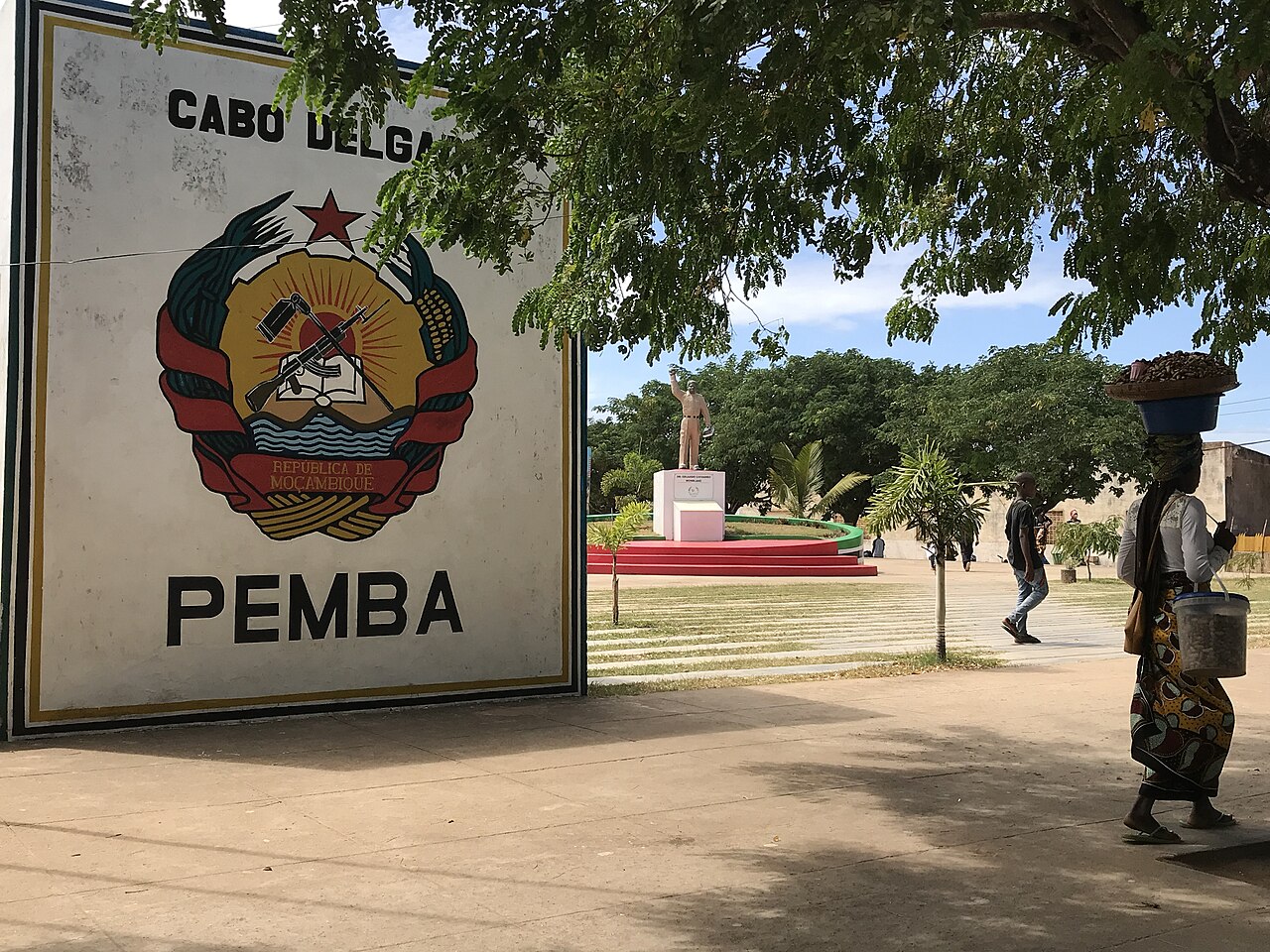
Balama sits in Cabo Delgado, Mozambique’s northern province, and is owned by Syrah Resources, a company listed on the Australian Securities Exchange. DFC announced on Wednesday 25 March 2026 that it had opened a path to take an equity stake in Syrah.
In its filing the next day, Syrah said US$31 million of the DFC loan would convert into 425 million new shares at A$0.105 (about US$0.07). After two tranches, DFC would hold about 20%, plus warrants, which are options to buy more shares, for roughly 5% extra.
What Syrah’s Own Filings Say
Syrah paired the plan with a share sale of about A$104 million (about US$72 million), backed by AustralianSuper, its largest shareholder with about 34%. The remaining DFC loan would become a convertible note, a loan that can later turn into shares.
DFC would also lend a further US$15 million to Syrah’s Balama operating company, which Syrah expected in October 2026. On 9 September 2026 Syrah said binding documents were taking longer and moved the expected financial close to the first half of 2027.
A Mine Still Fighting for Customers
Syrah’s half-year report of 9 September 2026 showed Balama producing about 25,800 tonnes of graphite from January to June, up from 6,500 a year earlier. Sales and shipments reached about 26,600 tonnes, according to the Lusa news agency’s summary of the report.
Syrah cites moderate demand outside China, global oversupply and Chinese competition as brakes on sales. It reported a half-year loss of US$107.9 million and listed its DFC loans as current liabilities, citing instances of non-compliance.
Why Cabo Delgado Is a Delicate Place to Invest
Balama has stopped and started before, as in the story of Mozambique’s graphite and battery supply chain. O País, a Maputo daily, reported on 11 May 2025 that police detained farmers while reopening the mine road, shut for nearly eight months.
On 21 June 2025 O País reported that the operating company had begun paying farmers compensation worth about US$1.5 million. Syrah’s approvals list for the DFC plan includes the Government of Mozambique, which gives Maputo a say over the deal.
What It Means for US Readers
A US government stake in a non-Chinese supplier would tie American battery makers more closely to Mozambique graphite. The DFC release says Balama graphite is meant to feed Syrah’s Vidalia plant in Louisiana, which aims to make battery anode material.
Taxpayer money is at stake, because DFC lends and invests with US government backing. The agency’s own targets of 8% to 10% returns and US$3 to US$5 of private money per dollar are goals, not guarantees.
What Is Not Known
The Balama proposal is non-binding, and the filings give no date for the Syrah shareholder vote or for Mozambican government approval. Nobody has said how much of the US$205 billion ceiling DFC will direct to Mozambique graphite or other projects.
DFC has not published the names or sizes of the undisclosed African energy and critical-mineral deals its board has approved, Club of Mozambique reported. Those deals still need further steps, including notice to the US Congress.
More: Mozambique news in English, every day from The Rio Times.
Frequently Asked Questions
What is the DFC and what can it do?
The DFC is the US International Development Finance Corporation, a US government agency that lends to and invests in projects abroad. Its investment ceiling is now US$205 billion worldwide, up from US$60 billion, and Mozambique graphite is on its radar.
Is the United States buying part of a Mozambican mine?
Not yet, and not directly. DFC has proposed taking about 20% of Syrah Resources, the Australian-listed company that owns the Balama mine and its Mozambique graphite.
Why does graphite matter to Americans?
Graphite is the main material in the anode of lithium-ion batteries used in electric cars and storage systems. China dominates processing, so Washington wants Mozambique graphite and other sources.
When will the Balama deal close?
Syrah said on 9 September 2026 that it expects financial close in the first half of 2027. It added that there is no certainty the deal will go ahead as announced.
Is it safe for Americans to visit the Balama area?
Local media reported a months-long road blockade over land compensation near the mine and police detentions in 2025. Travellers should check the current US State Department advisory for Mozambique before planning any trip.
Sources: Club of Mozambique, 28 October 2026; DFC press release, 25 March 2026; Syrah Resources ASX announcement, 26 March 2026; Syrah Resources implementation update, 9 September 2026; O País (Maputo), 11 May 2025; O País (Maputo), 21 June 2025; Lusa, via AMAN Alliance, 9 September 2026.
This article was produced by The Rio Times’ automated newsroom system. How we use AI · Report an error · Editorial responsibility: Matthias Camenzind, Editor-in-Chief
Critical Minerals in Africa
- Africa’s Critical Minerals 2026: Who Holds What and Why
- DR Congo Explained 2026, Its War, Cobalt and Politics
- Zambia Explained: The Country, Its Copper Economy, Its Politics and What to Watch
- The Lobito Corridor: A New Railway for African Copper